




eBike Battery Draining When Not in Use: Causes and Checks
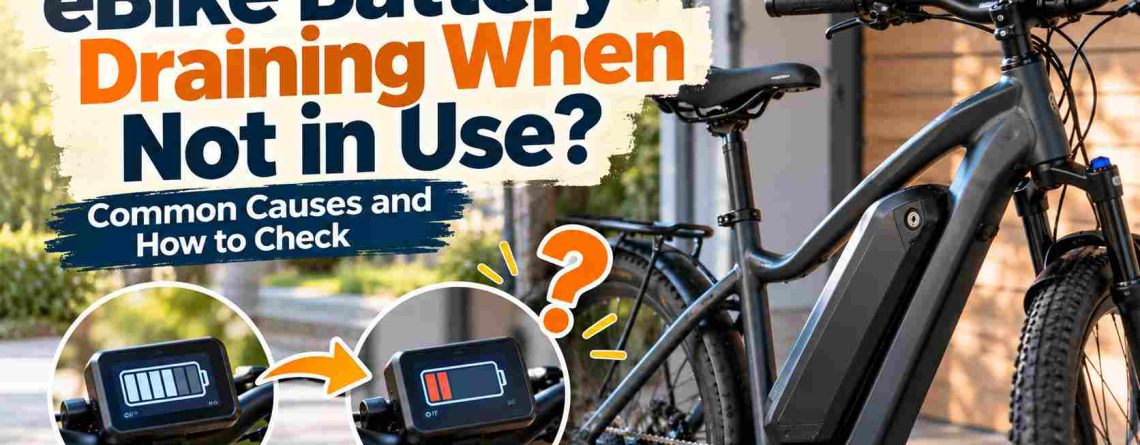
Is your eBike battery draining when not in use? You park the bike, switch it off, and return to a lower charge reading. The cause could be standby power, natural self-discharge, a changing display estimate, or a battery fault. Here is how to narrow it down before buying a replacement.
Start by checking when the reading changes, whether the battery stays connected to the bike, and how it behaves under similar conditions. For help deciding whether to replace the pack and what to check before ordering, see our eBike battery replacement guide.
Quick Answer: Why Does an eBike Battery Lose Charge While Parked?
Possible causes include natural self-discharge, power used by battery electronics, connected bike accessories, or a change in the charge display. Persistent loss can also point to a fault. A lower percentage alone does not identify the cause.
- Compare readings from the same display under similar conditions.
- Check whether the bike and its accessories are fully shut down.
- If the manual allows removal, observe the undamaged battery separately from the bike.
- Seek support if the loss continues or the battery shows damage or errors.

Is It Actual Drain or a Changing Battery Reading?
A charge percentage estimates the energy left. It is not a direct measurement of the battery’s full usable capacity. Different displays may use different methods, so the handlebar display, battery LEDs, and an app may not agree.
Voltage also settles after charging or riding. A voltage-based display can change as the pack rests, even without a large energy loss. Temperature changes can affect the reading too. Compare rested readings in similar conditions instead of comparing a fresh charge in a warm room with a cold morning outside.
Look for a repeated trend. One missing bar is less useful than dated readings taken in the same way. A stable reading also cannot prove that a pack is healthy.
What Can Draw Power When the Bike Is Off?
Natural self-discharge and battery electronics
Lithium-ion cells can slowly lose charge without powering the motor. The battery management system, or BMS, may also use energy to monitor and protect the pack. Removing the battery from the bike does not disconnect these internal circuits.
Power use depends on the design and operating mode. For example, Texas Instruments documents different power modes for a battery-monitor chip. This illustrates why one standby figure cannot apply to every complete battery; it does not identify the hardware inside your pack.
Bike electronics and accessories
A blank display does not always mean the whole system is electrically disconnected. Depending on the bike, a controller, tracker, alarm, or accessory may still draw power. Some features are designed to remain active while parked.
Check the manual for shutdown, sleep, and storage settings. Note recent accessory or firmware changes. Do not unplug unknown wiring or disable protection features to chase a suspected drain.
A battery or system fault
Ongoing loss may require checks of the cells, battery electronics, or bike wiring. An older battery can also have less usable capacity, making the same energy use a larger share of what remains. Neither age nor an app reading can diagnose the fault by itself.
A Safe Checklist for Unexplained Idle Drain
Check the condition first. Stop using and charging a pack that is swollen, leaking, damaged, or unusually hot while idle. See our guidance on eBike battery swelling. If it is smoking or hissing, move away and call emergency services; do not handle it to continue a test.
- Identify the setup. Record the battery model, bike or conversion system, charger model, and any connected accessories.
- Choose one reading source. Use the same display or approved app throughout. Note any disagreement with other indicators separately.
- Set a comparable starting point. Let an undamaged pack rest after use as its manual directs. Record the time, charge reading, and temperature. You do not need to charge it to full for this observation.
- Follow the shutdown procedure. Turn off the system and accessories using their documented controls. Keep the charger disconnected during the observation.
- Observe separately if permitted. For a user-removable pack, follow the removal instructions and protect the terminals from metal objects. Compare its behavior with your earlier on-bike records. Leave fixed batteries to an authorized service provider.
- Record the follow-up reading. Use a comparable interval and similar conditions. Note any charging, riding, app use, or accessory changes between readings. Do not keep repeating the observation until the battery runs flat.
This comparison helps narrow the next check. It does not confirm battery health or identify a failed component.
Keep a Simple Battery Drain Log
A short record gives support more useful evidence than “the battery keeps dying.” Save screenshots of errors or approved app readings alongside it.
| Record | Details to include |
|---|---|
| Timing | Start time, end time, and time since the last ride or charge. |
| Readings | Starting and ending percentage or bars, using the same source. |
| Connection | On or off the bike, shutdown method, and accessory status. |
| Conditions | Temperature, storage location, and any changes between checks. |
| Other signs | Error messages, charging changes, damage, or unexpected warmth. |
What Does the Pattern Suggest?
- Loss mainly while connected: Have the bike’s standby behavior and accessories checked. Buying another battery may leave the cause unchanged.
- Loss continues off the bike: Ask the battery supplier to review the log. Battery electronics, cell behavior, and the charge estimate still need to be distinguished.
- The reading changes after charging, then settles: Compare later rested readings. The initial change alone is not proof of excessive drain.
- The battery loses usable range as well: Ask whether a controlled capacity test is appropriate. Road range and charge percentage alone cannot measure remaining capacity reliably.
There is no single acceptable percentage loss per day for every eBike battery. Ask the supplier about your exact model and conditions. If voltage checks are appropriate, read our guide to testing an eBike battery with a multimeter first. Do not probe unfamiliar connectors or place a meter in current mode across the battery terminals.
When Should You Consider a Replacement?
Consider replacement after the cause has been assessed and the pack is found unsuitable for continued use, or its confirmed usable capacity no longer meets your needs. A parked-bike drain problem alone is not enough to choose a new battery.
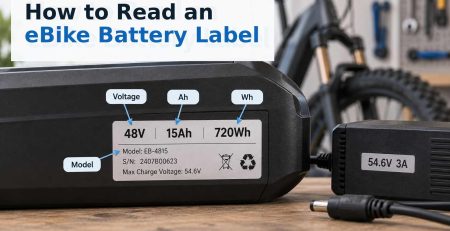
For a replacement, check system voltage, full-charge voltage support, current capability, dimensions, mounting, connector polarity, charger, and any required communication. A matching voltage label or plug is not enough.
If your system supports a suitable third-party pack, compare EM3EV replacement battery options. Have your existing battery label, controller details, connector photos, and available mounting space ready. For proprietary systems, use a replacement approved for the exact system.
Frequently Asked Questions
Can an eBike battery drain when switched off?
Yes. Cells can self-discharge, internal electronics may still use power, and some bike accessories can remain active. The amount depends on the system. A changed display reading can also look like drain.
Why does my battery lose charge overnight?
Check the shutdown procedure, connected accessories, temperature, and whether you compared a fresh charge with a rested reading. A repeated, unexplained change deserves a supplier review, especially if it occurs with the battery removed as permitted.
Should I remove the battery when I am not riding?
Follow the bike and battery manuals. Removing a user-removable pack can separate it from bike-side loads. It does not stop internal power use. Do not dismantle the bike to remove a fixed battery for this check.
Does Bluetooth drain an eBike battery?
Bluetooth electronics use power, but their activity and sleep behavior vary. Their presence alone does not explain excessive drain. Ask the supplier about the exact BMS and app behavior before changing settings.
Should I leave the charger connected to prevent drain?
Do not use continuous charging to hide unexplained loss. Follow the specified charging procedure and disconnect as directed. Our eBike battery charging guide covers routine charging checks.
Will resetting the BMS fix idle battery drain?
Not necessarily. A reset cannot repair damaged cells or remove an external load. Use only a reset procedure documented for your exact model. Avoid repeated resets or attempts to bypass protection when a fault returns.


LEAVE A COMMENT