





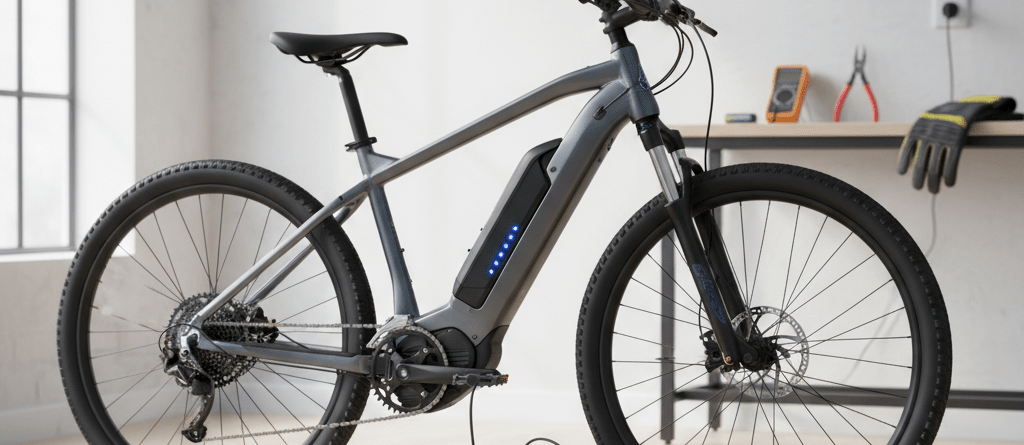
The Ultimate Guide to Batteries for E-Bikes
Welcome to your complete resource for understanding, choosing, and maintaining the heart of your electric bike: the battery. Whether you’re looking for a replacement, an upgrade, or simply want to maximize your current setup, this guide will power your knowledge.
🔋 The Heart of Your Ride: Understanding E-Bike Batteries
The battery is arguably the most critical component of an electric bike. It dictates your range, the bike’s overall weight, and its performance. Think of it as the fuel tank and the engine’s power source rolled into one. A quality battery for e bike systems not only ensures you can go the distance but also contributes to a safer and more enjoyable ride. As technology has evolved, modern e-bikes have almost universally adopted lithium-ion technology, leaving older, heavier battery types behind.
Understanding the basics is the first step toward making an informed decision. The cells are the fundamental building blocks, storing energy in chemical form. These cells are bundled together and protected by a durable casing, all managed by a crucial component called the Battery Management System (BMS), which ensures safety and longevity by preventing issues like overcharging or overheating.
Key Takeaway: Chemistry is King
When it comes to batteries for ebike models, lithium-ion (Li-ion) is the reigning standard. It offers the best balance of energy density (more power in a lighter package), longevity, and reliability compared to outdated technologies like lead-acid or nickel-cadmium. This means more range without adding excessive weight to your bike.
Decoding the Specs: Volts, Amps, and Watt-Hours
When browsing e bike batteries for sale, you’ll encounter a trio of key specifications: Voltage (V), Amp-Hours (Ah), and Watt-Hours (Wh). Understanding these terms is essential for comparing different models.
- Voltage (V): Think of voltage as the “power” or “speed” at which energy is delivered to the motor. Higher voltage generally translates to better acceleration and hill-climbing ability. Common e-bike systems are 36V and 48V, with the latter becoming a standard for many models requiring robust performance.
- Amp-Hours (Ah): This measures the battery’s capacity—like the size of its fuel tank. A higher Ah rating means the battery can supply a current for a longer period, directly influencing your riding range.
- Watt-Hours (Wh): This is the most accurate measure of a battery’s total energy capacity. It’s calculated by multiplying volts by amp-hours (V x Ah = Wh). A higher Wh number almost always means you can ride a longer distance on a single charge, making it the best metric for comparing the potential range of different batteries.

Understanding battery metrics (V, Ah, Wh) is key to choosing the right power for your needs.
Lithium-Ion vs. The Rest
While nearly all modern e-bikes use lithium batteries for e bikes, some older or budget models might still use lead-acid batteries. The difference in performance, weight, and lifespan is dramatic. Lithium-ion batteries are significantly lighter, charge faster, and last for many more charge cycles.
| Feature | Lithium-Ion (Li-ion) | Lead-Acid |
|---|---|---|
| Energy Density | High (more power, less weight) | Low (bulky and heavy) |
| Weight | Lightweight (3-10 kg) | Very Heavy (16-30 kg) |
| Lifespan (Charge Cycles) | 1000-2000 cycles (4-5 years) | 300-500 cycles (2-3 years) |
| Charging Time | Fast (1-5 hours) | Slow (6-12 hours) |
| Upfront Cost | Higher | Low |
Is Your E-Bike Battery Performing Its Best?
Explore our range of high-performance lithium-ion batteries and find the perfect match for your ride. We offer options for every type of cyclist.
Field Notes: Customer Insights
“Upgrading from my old lead-acid battery to a new lithium ion battery for e bike use was a game-changer. My bike feels 15 pounds lighter, and I can now complete my entire commute on a single charge without range anxiety. The performance difference is night and day.” – Alex R., Daily Commuter
⚙️ How to Choose the Perfect E-Bike Battery Replacement
Now that you understand the fundamentals, the next step is selecting the right battery. Whether you’re searching for replacement batteries for e bikes or aiming for an upgrade, three factors are paramount: compatibility, capacity, and quality. A mistake in any of these areas can lead to poor performance, a battery that doesn’t fit, or even safety hazards. Let’s break down how to get it right the first time.
Step 1: Confirm Compatibility (The Non-Negotiables)
Before you even think about range or brand, you must ensure a new battery is compatible with your e-bike’s system. This involves three checks:
- Voltage Matching: Your new battery’s voltage must match your e-bike’s original system. If your bike uses a 48V motor and controller, you must choose a 48 volt battery for e bike systems. Mismatching voltage can permanently damage your motor, controller, or the battery itself. Check the label on your old battery or your bike’s manual to confirm.
- Physical Fit & Mount: Batteries come in various shapes and mounting styles. The most common are downtube (integrated or external), rear rack, and seat tube mounts. Your replacement must fit the same physical space and use the same mounting bracket, or “cradle,” as the original. Measure the dimensions of your old battery and compare them carefully.
- Connector Type: The discharge connector, which links the battery to the bike’s controller, must also match. While there are some common types (like XT60, XT90, Anderson), manufacturers often use proprietary connectors. Always inspect the connector on your current battery cradle and ensure the replacement is identical.

Ensure your replacement battery matches the mounting type and connector of your original.
Step 2: Determine Your Range Needs (Capacity)
Capacity, measured in Watt-hours (Wh), directly translates to how far you can ride. If your primary goal is finding the best e-bike battery for long distance, this is the number to focus on. A larger Wh value means more fuel in the tank. For example, a 720Wh battery holds 50% more energy than a 480Wh battery, translating to a significant range increase under the same conditions.
However, more capacity often means a larger, heavier, and more expensive battery. It’s about finding the right balance for your typical rides. Consider your daily commute, weekend leisure trips, and any hilly terrain you encounter. A casual city rider might be perfectly happy with a 400-500Wh battery, while a long-distance tourer or delivery rider should aim for 600Wh or more.
Pro Tip: Calculate Your Watt-Hours
If a battery listing only shows Volts (V) and Amp-hours (Ah), you can easily find the total capacity. Just multiply the two numbers: Voltage × Amp-hours = Watt-hours. For example, a 48V, 15Ah battery has a capacity of 720Wh.
Our Featured Lithium-Ion Batteries
Here are a couple of popular options that cater to different rider needs. Always check the detailed specifications to ensure full compatibility with your e-bike model.
Product Recommendations

48V 17Ah Jumbo Shark
The 48V All-Round battery
- Capacity: 796Wh (48V x 17Ah)
- Cell Type: Grade-A 18650 Li-ion
- Best For: Daily commutes, city riding, moderate hills
- Pros: Common form factor, great performance-to-cost ratio.
52V 19.6Ah King Shark
Maximum Performance and maximum range
- Capacity: 917Wh (48V x 19.6Ah)
- Cell Type: High-Density Samsung/LG Li-ion
- Best For: Long-distance touring, food delivery, hilly regions
- Pros: Maximum range, premium cells for longevity.
Our Evaluation Methodology:
We assess batteries based on three core criteria: verified capacity (using lab-grade discharge testers to ensure they meet advertised specs), performance under load (measuring voltage sag to evaluate power delivery), and build quality (inspecting the case, mount, and BMS for safety and durability). We also analyze cell datasheets to verify the quality of the internal components.
🛡️ Maximizing Lifespan & Safety: E-Bike Battery Care
Investing in a high-quality lithium ion battery for e bike systems is only half the battle. Proper care and maintenance are essential to maximize its lifespan, ensure consistent performance, and, most importantly, guarantee your safety. A well-maintained battery can deliver reliable power for years, while a neglected one can degrade quickly and pose significant risks. Following a few simple rules for charging, storage, and handling will protect your investment and keep you riding safely.
Charging Do’s and Don’ts
How you charge your battery has the single biggest impact on its long-term health. The Battery Management System (BMS) provides a layer of protection, but your habits are what truly define its longevity.
- Use the Right Charger: Always use the charger that came with your battery or an approved replacement from a reputable vendor. Using an incompatible charger can lead to overcharging and permanent damage.
- Follow the 80/20 Rule: For optimal lifespan, try to keep your battery’s charge level between 20% and 80%. Constantly charging to 100% and draining to 0% puts extra stress on the lithium-ion cells. Only charge to full capacity when you know you need the maximum range for a long ride.
- Avoid Temperature Extremes: Never charge a battery when it is freezing cold (below 0°C/32°F) or excessively hot. Let a battery return to room temperature after a ride before plugging it in.
- Don’t Leave it Unattended: While modern chargers have auto-shutoff features, it’s wise to avoid leaving a battery to charge overnight or when you are not home. Charge it in a space with a smoke detector and away from flammable materials.
Always charge your battery indoors at room temperature and away from combustible items.
Proper Storage for Your E-Bike Battery
If you’re not riding your e-bike for an extended period (like during winter), proper storage is crucial. Storing a battery incorrectly can lead to irreversible capacity loss.
- Maintain a Partial Charge: Never store a battery fully charged or completely empty. The ideal storage charge is between 40-60%.
- Store it Indoors: Remove the battery from the bike and store it in a cool, dry place where temperatures remain stable—ideally between 10-20°C (50-68°F). A garage that experiences freezing temperatures or a shed that gets hot in the sun are poor choices.
- Check it Periodically: For very long-term storage (over three months), check the charge level every month or two and give it a brief charge to bring it back to the 40-60% range if needed.
Safety Alert: Quality is Non-Negotiable
Never compromise on quality when looking for batteries for e bike models. Cheap, uncertified batteries from unknown online marketplaces are the leading cause of e-bike fires. Always purchase batteries that are certified (e.g., UL 2849) from reputable vendors who stand behind their products. Your safety is worth the investment.
52V Large Triangle Battery
52V Large capacity 20.4Ah triangle hardcase battery with built in battery monitoring software and include triangle bag.
52V Jumbo Shark Battery
52V 17Ah Jumbo Shark battery the perfect size for longer trips. Complete with Smart BMS.
References
Our recommendations are based on industry best practices and established research from leading authorities in battery technology and safety.
- Battery University: How to Prolong Lithium-based Batteries
- UL Standards: E-Bikes Certification Testing to UL 2849
❓ Troubleshooting & Common Questions
Even the best batteries for ebike systems can encounter issues over time. Reduced range, charging problems, or a complete lack of power can be frustrating, but often, the solution is straightforward. Before assuming your battery needs to be replaced, running through a few diagnostic checks can help you identify the root cause. This section covers common problems and answers the most frequently asked questions about e-bike batteries.
Common Battery Problems and Solutions
Here is a quick guide to troubleshooting some of the most common issues you might face with your e-bike battery. Always ensure the battery is switched off and disconnected from the charger and bike before inspecting it.
| Problem | Possible Cause | Solution |
|---|---|---|
| Battery won’t turn on | Deep discharge; blown fuse; faulty power button. | Try charging for 8+ hours. Check the fuse (if accessible). Ensure the key is in the “On” position if applicable. |
| Significantly reduced range | Degraded cells due to age; cold weather; incorrect tire pressure; change in riding conditions (e.g., more hills). | Manage expectations in winter. Inflate tires to the recommended PSI. Test range on a familiar flat route. If degradation is severe, it may be time for a replacement. |
| Battery not charging | Faulty charger; loose connection; BMS protection mode. | Check all connections. Test the charger’s output with a multimeter if possible. Try a different compatible charger to isolate the problem. |
| Charger light stays green | Battery is fully charged; poor connection at the charge port; BMS fault. | Ensure the charging pin is clean and making good contact. If the battery is not charged but the light stays green, the battery’s BMS may have a fault that requires professional service. |
How long do batteries for e-bikes last?
The lifespan of a modern lithium-ion battery for e-bike use is typically measured in charge cycles. Most are rated to last between 800 and 1,500 full charge cycles while retaining at least 80% of their original capacity. For a regular commuter, this translates to roughly 3 to 5 years of reliable use. Lifespan is heavily influenced by factors like charging habits, operating temperatures, and storage, as discussed in Part 3. Adhering to best practices can significantly extend your battery’s service life.
Can I upgrade my e-bike battery for more range?
Yes, this is one of the most common reasons people look for replacement batteries for e bikes. As long as you maintain the same voltage (e.g., 48V) and the new battery physically fits your bike’s mount and uses the same connector, you can often upgrade to a battery with a higher Amp-hour (Ah) rating. For example, moving from a 48V 10Ah (480Wh) battery to a 48V 15Ah (720Wh) battery could boost your range by up to 50%, making it the best e-bike battery for long distance riding you can get for your specific model.
Ready to Power Up Your Ride?
Don’t let a tired battery hold you back. Browse our full selection of high-quality replacement and upgrade batteries to find the perfect fit for your e-bike.
🙋♀️ Your E-Bike Battery Questions Answered (FAQ)
1. What is the average cost of a replacement e-bike battery?
The price of e bike batteries for sale can vary widely, typically ranging from $300 to over $800. The cost depends on the capacity (Wh), brand of the cells (e.g., Samsung, LG, Panasonic), build quality, and whether it’s an original manufacturer part or a third-party replacement.
2. Is it safe to buy a third-party battery for my e-bike?
It can be, provided you buy from a reputable and knowledgeable vendor that uses high-quality cells and a reliable BMS. Look for sellers who provide detailed specifications, list the cell manufacturer, offer a warranty, and have positive customer reviews. Avoid suspiciously cheap options from unknown sellers on large marketplaces, as they pose a significant safety risk.
3. How do I dispose of an old e-bike battery?
Lithium-ion batteries should never be thrown in the regular trash, as they are a fire hazard and contain materials that must be properly recycled. Contact your local recycling center, a hazardous waste disposal facility, or an e-bike shop. Many retailers have programs to accept and properly dispose of old batteries.
Safety and Disclaimer
The information provided in this guide is for educational purposes only. Always consult your e-bike manufacturer’s manual and follow all safety guidelines when handling, charging, or replacing your battery. Adhere to local regulations regarding e-bike use and battery disposal. Improper use or modification can lead to serious injury or property damage.




LEAVE A COMMENT