





Everything You Need to Know About Buying a Bicycle with a Motor on It
What is a bicycle with a motor on it?
A bicycle with a motor on it—often referred to as a motorized bicycle, moped, or motor-assisted cycle—is a standard bicycle frame modified with an internal combustion engine (usually 2-stroke or 4-stroke) or an electric motor kit to provide propulsion assistance. These hybrids bridge the gap between human pedal power and motorcycles.
The Renaissance of the Garage Moped 🛠️
I still remember the first time I saw a neighbor zip past my house on what looked like a regular Schwinn cruiser, but with a distinct, rhythmic hum trailing behind him. It wasn’t a motorcycle, and it certainly wasn’t a silent modern e-bike. It was a classic DIY project: a bicycle with a motor on it. That simple fusion of pedal power and a small gas engine completely changed how I looked at commuting.
To be honest, in a world rapidly filling up with high-tech, integrated electric scooters and bikes, there is something incredibly raw and appealing about the classic motorized bicycle. Whether you are looking for a gas motorized bike for the tinkering experience or a motor powered bicycle for cheap transportation, the appeal is universal: high efficiency, low cost, and the wind in your face.
But before you rush out to bolt an 80cc kit onto your mountain bike, there are nuances to understand. Are they legal in your state? Should you go for a noisy but reliable gas motor or a stealthy electric conversion? In this guide, we’ll break down the costs, the types, and the reality of living with a motor-assisted bike.

From DIY gas kits to sleek electric hubs, adding a motor changes the ride entirely.
Thinking of building or buying?
Skip the guesswork. Check out the most popular engine kits and pre-built models available today.
Understanding the Mechanics: Gas vs. Electric ⚙️
When we talk about a bicycle with a motor on it, we are generally splitting the world into two very different camps: the internal combustion enthusiasts and the electric revolution. Both put a motor on a bike, but the experience couldn’t be more different.
The Gas Motorized Bicycle (The Classic)
These are the loud, proud, and mechanically engaging options. Typically, these involve mounting a small 2-stroke (or sometimes 4-stroke) engine inside the triangle of the bicycle frame. A chain connects the engine to the rear wheel.
Why choose it? Range. As long as you have a little gas mixed with oil, you can keep going. Plus, for those of us who love mechanics, there is a satisfaction in tuning a carburetor that software updates just can’t match.
The Electric Motor Option (The Modern Standard)
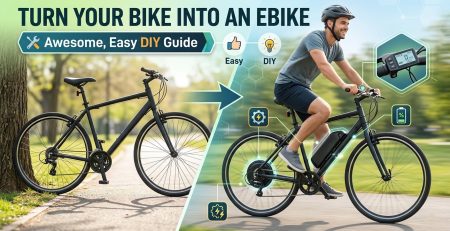
Often just called an e-bike, but distinct in the DIY world as a “conversion.” This involves swapping a wheel for a hub motor or installing a mid-drive motor at the pedals. It’s silent, clean, and usually legal in more places.
Comparison: Which Motor is Right for You?
Here is a breakdown of how a gas motorized bike stacks up against an electric equivalent.
| Feature | Gas Motorized Bicycle (2-Stroke/4-Stroke) | Electric Motor Kit (Hub/Mid-Drive) |
|---|---|---|
| Initial Cost | Low ($150 – $400 for kits) | Medium/High ($300 – $1,000+) |
| Noise Level | Loud (Chainsaw/Lawnmower volume) | Silent to Low Hum |
| Maintenance | High (Mixing fuel, tuning carb, tightening bolts) | Low (Battery care, basic bike maintenance) |
| Top Speed (Avg) | 25 – 35 mph (modifies higher) | 20 – 28 mph (often governed) |
| Legality | Strict (Often requires license/registration) | Friendly (Class 1, 2, 3 usually legal) |
| Range | Unlimited (just add gas) | Limited by battery (20-50 miles) |
Common Questions on Mechanics 🔧
Is a 4-stroke better than a 2-stroke for a bike?
Actually, yes, for reliability. While 2-strokes are cheaper and lighter, 4-stroke engines (like the Honda GX35 clones) are quieter, cleaner, and don’t require you to mix oil with gas. However, they are physically larger and can be harder to mount on smaller frames.
Can any bicycle handle a motor?
Not necessarily. I’ve learned this the hard way. You generally want a steel frame (aluminum can crack under engine vibration) and strong brakes. A beach cruiser or a sturdy mountain bike is usually the best candidate for a bicycle with motors installed.
Buying Guide & Legal Landscapes 📜
Before you commit to a bicycle with a motor on it, you need to navigate two things: the law and the spec sheet. The term “motorized bicycle” is a legal definition in many states that separates these vehicles from full-blown motorcycles.
Are Motorized Bicycles Street Legal?
This is the big question. In the US, federal law generally recognizes low-speed electric bicycles, but gas-powered versions fall into a gray area depending on your state.
- Electric: Usually legal if under 750w and limited to 20-28mph (Class 1, 2, 3).
- Gas: Many states (like California) require a moped license plate and a driver’s license (M2 endorsement). Some states ban them from bike lanes entirely.
Always check your local DMV regulations regarding “motor-assisted cycles” before riding on public roads.
Cost Breakdown: What Should You Spend?
If you are wondering, “how much is a bicycle with a motor on it?”, the answer varies wildly based on DIY vs. Pre-built:
- DIY Gas Kit: $150–$300 (Kit) + $100 (Bike) = ~$250–$400 Total.
- DIY Electric Kit: $300–$600 (Kit+Battery) + $100 (Bike) = ~$400–$800 Total.
- Pre-Built Motorized Bike: $1,200–$3,000+.
Top Motor Options for Your Build
If you are ready to start looking, here are the most common configurations you will find when shopping for motorized bikes or conversion kits.

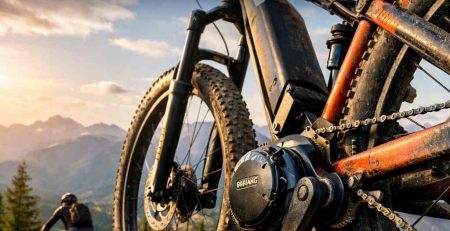
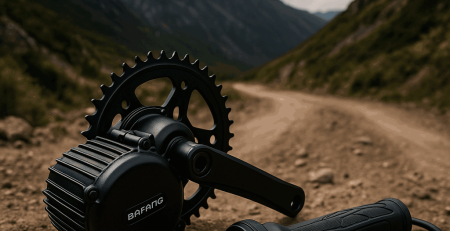
Mid-Drive Electric Motor (Bafang)
Mid-Drive Electric Motor (Bafang)
$600 – $900
Type: Electric | Power: 750w+ | Torque: High
Best For: Good performance and hill climbing. Uses the bike’s gears for maximum efficiency.

Mid-Drive Electric Motor (Bafang BBSHD)
$600 – $900
Type: Electric | Power: 1500W | Torque: Very High
Best For: Serious performance and hill climbing. Uses the bike’s gears for maximum efficiency. No shortage of torque.
US State-by-State Legal Guide (2025 Edition)
The most confusing part of owning a bicycle with a motor on it is understanding where you can actually ride it. Laws differ wildly between “gas kits” and “electric bikes.” Here is the reality of what is legal in major states.
⚠️ The “DIY Gas Bike” Legal Trap
Most 2-stroke gas kits (80cc/66cc) are sold as “off-road use only.” Why? Because to be street legal, a motor vehicle generally needs a VIN (Vehicle Identification Number) and EPA emissions certification. DIY kits rarely have these.
Result: In strict states like New York or Florida, you often cannot legally register a home-built gas bike because it lacks a VIN, yet you can’t ride it without registration because it has a gas motor. Proceed with caution.
Quick Reference: Gas vs. Electric Legality
| State | Electric Bike Laws (The Easy Path) | Gas Motorized Bike Laws (The Hard Path) |
|---|---|---|
| California | Legal. Split into Classes 1, 2, and 3. No license/plate needed. Note: Class 3 (28mph) requires helmet & age 16+. | License Plate Required. You must hold an M1 or M2 license and register the bike for a special “Motorized Bicycle” plate (Form REG 230). Cost is low (~$24), but it requires a VIN/Serial Number. |
| Texas | Legal. Treated as bicycles. No license needed for bikes under 28mph (Class 1-3). | Strict. Often classified as a “Moped.” Requires a driver’s license, insurance, and registration. DIY kits often fail inspection due to lack of mirrors/turn signals. |
| Florida | Legal. No license/registration for electric bikes up to 28mph. | Illegal on Streets (Mostly). Florida defines “motorized bicycles” strictly. Gas conversions are often classified as “motorcycles” but fail to meet safety standards for registration, leaving them in legal limbo. |
| New York | Legal (with limits). NYC has specific caps (25mph). Class 1-3 generally allowed on streets (not sidewalks). | Illegal. Gas-assisted bicycles are classified as “Limited Use Motorcycles.” Since DIY kits lack a Manufacturer Statement of Origin (MSO) and VIN, they cannot be registered and are subject to confiscation in NYC. |
| Illinois | Legal. Follows 3-Class system. Allowed on roads/bike lanes. | Moped Status. If it goes over 20mph, it’s a Class B Motor Driven Cycle. Requires valid driver’s license and title/registration. |
Is my bike a “Moped” or a “Bicycle”?
If you are pulled over, police typically use these three factors to decide if you need a ticket or a high-five:
- 🚦 Top Speed: Does it exceed 20 mph (electric) or 30 mph (gas)? If yes, it’s likely a motor vehicle.
- ⚙️ Shifting: Does it have an automatic transmission? (Most kits do). If you have to shift manual gears (like a motorcycle), it requires a motorcycle license.
- 📝 Pedals: Can it actually be pedaled? If you remove the pedals to add footpegs, it is 100% a motorcycle in the eyes of the law.
Safety First!
Whether gas or electric, these bikes move faster than standard bicycles. Always wear a DOT-approved helmet, not just a bicycle helmet.
Frequently Asked Questions ❓
How fast does a bicycle with a motor on it go?
A standard 66cc/80cc 2-stroke gas kit will typically reach speeds of 30 to 35 mph. Electric kits are often governed to 20 mph to stay legal but can be unlocked to reach 28 mph or more depending on the voltage and wattage.
Do I need a license for a motorized bicycle?
It depends heavily on your location. For electric bikes (Class 1-3), you usually do not need a license. For gas-powered motor bicycles, many states classify them as mopeds, requiring a valid driver’s license and sometimes a moped-specific registration plate.
How much does it cost to put a motor on a bike?
If you already own a bicycle, you can add a gas motor for as little as $150 using a basic kit. A reliable electric conversion usually starts around $350 including the battery. It is one of the most cost-effective ways to get motorized transportation.
Can you pedal a motorized bicycle?
Yes. That is the beauty of a motor-assisted bike. If you run out of gas or battery, you can disengage the clutch (on gas models) or just pedal (on electrics) to get home, though the added weight makes it a harder workout.
Final Thoughts: The Freedom of the Build
Building or buying a bicycle with a motor on it is about more than just getting from point A to point B. It’s about freedom. It’s about bypassing traffic for pennies on the dollar. Whether you choose the raw mechanical feedback of a gas engine or the silent, futuristic glide of an electric motor, the result is the same: a standard ride transformed into an adventure.
If you are handy with a wrench, start with a simple 2-stroke kit—it’s a rite of passage. If you want a daily commuter that won’t annoy the neighbors, go electric. Ride safe, wear your helmet, and enjoy the open road.
Disclaimer: This article explains the types and general costs of motorized bicycles. Laws vary by state and country. Always verify local regulations regarding “motorized bicycles,” “mopeds,” and “motor-assisted cycles” before riding on public roads.



LEAVE A COMMENT