




How to Make Your E Bike Battery Last Longer
The single most important component of your electric bicycle is the e bike battery. It determines your range, power, and how much fun you have on your rides. Learning the best practices for charging, storing, and maintaining this crucial part will save you money and keep you riding for years. This guide provides everything you need to know to maximize your battery’s lifespan and performance.
Key Takeaways
- Proper Storage: Keep your battery at a 40-60% charge level. Store it in a cool, dry place (10–20°C / 50–68°F) to maintain its health.
- Smarter Charging: For daily rides, charging to 80-90% is ideal because it reduces stress on the battery cells. Save 100% charges for your longest trips.
- Avoid Extreme Temperatures: Never charge a battery that feels frozen. You should also keep your power pack out of hot cars and direct sun to prevent damage.
- Use Correct Equipment: Your charger must match your battery’s voltage. A high quality charger is a crucial tool for protecting your investment.

Introduction
Your e bike battery is the engine of your ride. This advanced lithium-ion unit determines your total range, speed, and overall enjoyment. It’s often the most expensive single part of your e-bike, so protecting it makes great financial sense. Learning how to properly care for it is the best way to extend its life and get the most from your bike.
How to Store Your E-Bike’s Power Pack Safely
Proper storage is essential for a healthy battery. It helps prevent early wear and keeps the internal cells stable. A battery is happiest when it’s stored with a partial charge in a controlled space.
Core Storage Rules:
- Best Charge Level: Always store the unit with a 40-60% state of charge (SoC). Storing a battery at 100% or near 0% for long periods adds unnecessary stress to the cells and shortens its lifespan.
- Cool Temperatures: The ideal storage area should be between 10–20°C (50–68°F). A cool, dry, and dark indoor spot is perfect. Basements are often better than garages, which can have wider temperature swings.
- Monthly Checks: If you are storing the battery for a few months, set a calendar reminder to check its charge level every 30 days. If it drops below 30%, simply charge it back to 50%. This prevents it from draining too low.
Safety First: Lithium-ion batteries store a lot of energy. Keep them away from flammable materials. It is best to place them on a hard surface like concrete or tile, not a carpet. Ensure the metal contacts are covered so they cannot touch other metal objects, which could cause a short circuit.
Seasonal Storage Tips
Winter Storage:
Cold weather temporarily slows the battery’s chemistry, which can reduce your range. Extreme cold, however, can cause permanent damage.
- Bring It Inside: It is crucial to bring the battery indoors. A stable room temperature will prevent damage from freezing. Never leave it in a car or shed overnight in winter.
- Prevent Moisture: If you bring a cold battery inside, let it warm up for a few hours before plugging it in. This prevents harmful moisture from forming inside the casing, which can damage the electronics.
- Warm Up Before a Ride: A battery that starts at room temperature will give you better power and range on a cold day.
Summer Storage:
Heat is the number one enemy of battery life. High temperatures speed up the chemical aging that permanently reduces its capacity.
- Stay Out of the Heat: Never leave your power pack in a hot car or in direct sunlight for hours. The inside of a car can get hot enough to cause significant damage.
- Follow the 40-60% Rule: Before storage, make sure the battery has a partial charge, then disconnect it from the bike and charger.
Waking Up a Battery After Storage
When you’re ready to ride again after a long break, give the battery a full, slow charge. Before your first big ride, take a short trip around the neighborhood to make sure everything is working as expected.
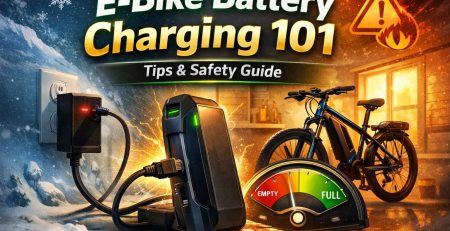
How to Charge for a Longer Lifespan

Your daily charging routine has the biggest impact on how long your battery lasts. Even with modern safety features, smart charging habits can give you many more charge cycles.
The 80-90% Rule for Daily Rides
Many people assume they should always charge their battery to 100%. This isn’t the best practice. For most daily rides, charging to only 80% or 90% is much healthier for the cells. Think of it like a rubber band; stretching it to its absolute maximum every time will wear it out faster. The same is true for a battery. Keeping it in a comfortable middle range is best. You should only charge it completely when you know you need the full range for a long trip.
Best Charging Practices:
- Connect First: Always plug the charger into the battery before you plug the charger into the wall. This simple step prevents a small spark at the port.
- Let It Rest: After a ride, the battery is warm. Let it cool down for about 30-60 minutes before you start charging it.
- Avoid Draining to Zero: Try not to run your battery completely empty. Deep discharges are very stressful for the cells. It’s better to charge it when it gets down to around 20%.
- Find a Safe Spot: Only charge in a cool, dry, and open area. Do not charge on a carpet, bed, or near flammable objects.
- Unplug When Done: The battery’s safety system stops it from overcharging, but it’s still best to unplug it when it is full to avoid extra heat and keep the cells from sitting at a high voltage.
Choosing a High Quality Charger
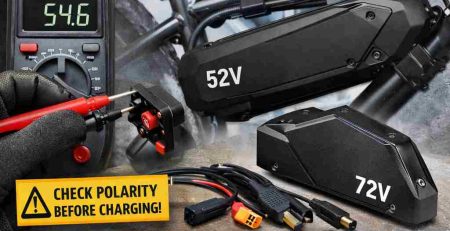
Using the correct charger is very important. Its voltage and other specifications must match your battery. For instance, a 48V battery needs a charger that outputs around 54.6V. A wrong charger can cause serious damage and is a major safety risk. When you need a new one, be sure to buy a high quality charger from a trusted brand.
When to Repair, Replace, or Upgrade
All batteries wear out eventually. Knowing the warning signs will help you decide between a repair or a full replacement.
Understanding Battery Degradation
Battery degradation is a natural process. Just like the battery in your smartphone, your e-bike’s battery loses a small amount of its total capacity with every charge and discharge cycle. This process is normal, but it can be sped up by heat, stress, and poor charging habits. The goal of good maintenance is to slow this degradation as much as possible.
Signs Your Battery Needs Service:
- Shorter Range: A trip that used to use 50% of your battery now uses 70-75%. This is the most common sign of aging.
- Charging Problems: The battery fails to charge completely, or the charger stops much earlier than it should.
- Gets Too Hot: The unit feels unusually warm to the touch while you use or charge it. A little warmth is normal, but excessive heat is a red flag.
- Loses Power Suddenly: The power cuts off when you are accelerating or riding up hills, even if the display shows you have charge left.
Repair vs. Replacement
For a newer battery, a small issue like a bad fuse can often be fixed. But if the cells inside are old and worn out, a full replacement is the safer and more reliable choice. You should not attempt DIY repairs unless you are an expert, as these systems can be dangerous.
When you replace your battery, think of it as a chance to upgrade. A new, high quality battery pack can offer better performance and more range. Look for brands that use top-tier cells from well-known makers like Samsung, LG, or Panasonic.
Our Recommended Replacement & Upgrade Options
Here are a few high quality options from our catalog, built with premium cells for safety and performance.

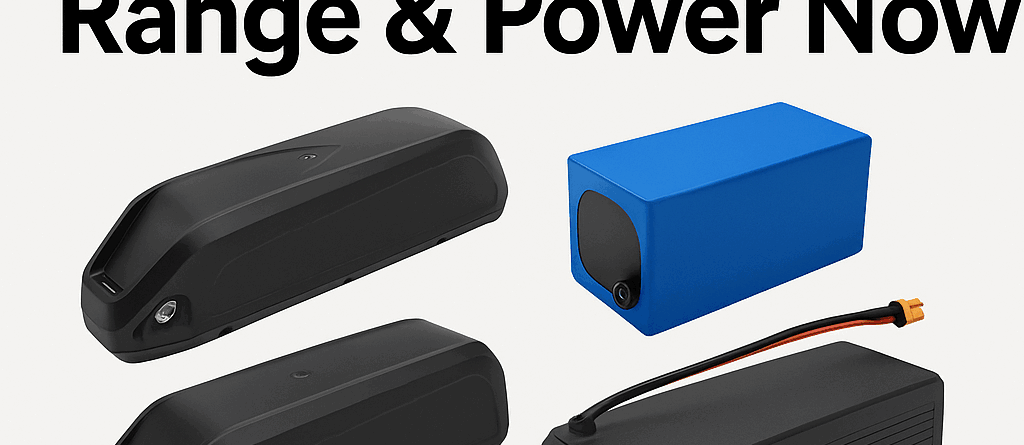
EM3ev 36V 15Ah King Shark Battery With Charger
Ideal for urban riders. Great as an entry-level batterie e bike 36v.
EM3ev 36V 17.5Ah Super Shark Battery With Charger
More capacity, same size. Perfect for longer commutes and improved efficiency.
EM3ev 48V 20Ah Jumbo Shark Battery
Built for serious riders, this battery offers extended range, robust power output, and dependable performance in demanding conditions.
EM3ev 52V 35Ah Hard Case Battery
One of the largest capacity batteries on the market. Can also benefit from accessories like the e bike battery combiner XT90 XT60 to XT90 for parallel setups.
How Your Riding Style Affects Battery Life
- Use Less Assist: Using lower pedal-assist levels draws less power, which is easier on the battery.
- Accelerate Smoothly: A gradual start is much better for the battery’s health than a fast, hard one.
- Carry Lighter Loads: The more weight the bike has to move, the harder the battery works.
- Maintain a Steady Pace: Constant starting and stopping uses more energy than cruising at a steady speed.
Frequently Asked Questions (FAQ)
How long do e-bike batteries last?
A well-cared-for e bike battery should last for 500 to 1,000 charge cycles. For most riders, that is about 3 to 5 years of use. Following the tips in this guide can help it last even longer.
Can you overcharge an e-bike battery?
No, a modern e bike battery has a built-in safety system called a BMS. It stops the charging process automatically when the battery is full. It is still a good practice to unplug it when it’s done.
Can I use a faster charger to save time?
Only if your battery and its BMS are specifically designed to handle a faster charge. Using a charger that is too powerful can create excess heat and may shorten the battery’s overall lifespan. It’s always safest to stick with the charger that came with your bike or a replacement with the same specifications.
Is it safe to use a third-party charger?
It is only safe if it’s a high quality model and its voltage and specifications exactly match what your battery requires. A cheap or mismatched charger is a common cause of battery failure and can be a fire risk.
Is it worth upgrading an older e-bike?
Yes. If your bike frame is still in good condition, upgrading with a new e bike battery or a conversion kit is a great value. You can get modern performance and longer range for much less than the cost of a new e-bike.
- Proper Storage: Keep your battery at a 40-60% charge level. Store it in a cool, dry place (10–20°C / 50–68°F) to maintain its health.
- Smarter Charging: For daily rides, charging to 80-90% is ideal because it reduces stress on the battery cells. Save 100% charges for your longest trips.
- Avoid Extreme Temperatures: Never charge a battery that feels frozen. You should also keep your power pack out of hot cars and direct sun to prevent damage.
- Use Correct Equipment: Your charger must match your battery’s voltage. A high quality charger is a crucial tool for protecting your investment.
Conclusion: A Commitment to Battery Health
Learning how your battery works is the secret to a great ride for years to come. By using smart habits for charging and storage, you directly extend its performance and safety. When it is time for an upgrade, a new pack can make your bike feel new again. Good maintenance ensures your e-bike is always ready for your next journey, protecting the core of your investment and keeping you on the road longer.





LEAVE A COMMENT