




7 Expert Tips for a Safe E Cycle Battery
An e cycle battery is the heartbeat of your electric bicycle. It is the rechargeable power source that dictates your range, speed, and overall riding potential. While typically utilizing lithium-ion technology, not all packs are created equal. Understanding the difference between voltage (V) and capacity (Ah) is the difference between a fun commute and being stranded miles from home.
Quick Reality Check:
Many riders learn the hard way that a “bargain” purchase often leads to disappointment. I once bought a cheap, generic energy source that died after just six months of use. The lesson? Understanding technical specifications—specifically the cells inside the case—is the only way to get real value.
If you are looking to buy a battery for e cycle use or need a reliable replacement, the market can be overwhelming. This guide breaks down current pricing, technical specs like Cell Chemistry and BMS protection, and how to choose the right model without overpaying.

How to Choose the Right Replacement
Before looking at price tags, you must ensure compatibility. Installing an incompatible power pack can damage your controller or leave you with a bike that won’t start. Here are the four pillars of compatibility:
1. Match the Voltage (V)
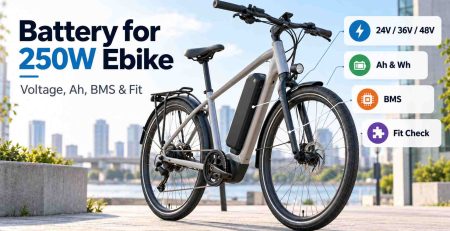
Your system voltage must match. If you have a 36V controller and motor, you generally need a 36V pack.
- Can you upgrade? Sometimes. Many 48V controllers can handle a 52V battery upgrade, which provides a significant speed and torque boost. However, putting 48V into a 36V system will likely fry your electronics. Always check your controller’s capacitor rating first.
2. Understand Capacity (Ah vs. Wh)
While most people look at Amp Hours (Ah), the most accurate measurement of range is Watt Hours (Wh).
- The Formula: Voltage (V) x Amp Hours (Ah) = Watt Hours (Wh)
- Example: A 48V 14Ah pack = 672Wh. A 52V 14Ah pack = 728Wh. The 52V unit has more energy density in the same physical size.
3. Check the Case & Fitment
Where will the unit mount?
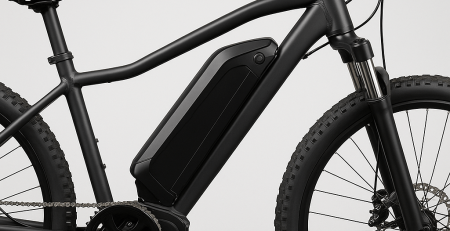
- Down Tube (Shark/Hailong): The most common standard. It mounts to water bottle eyelets for a low center of gravity.
- Triangle Pack: Designed for high-performance kits. These sit inside the frame triangle and offer the highest capacity (20Ah+) but require a specific frame bag or hard case.
- Rear Rack: Common on step-through bikes, but they make the bike “tail heavy” and affect handling.
4. Connector Types
Don’t get stuck with a plug that doesn’t fit.
- Discharge Port: XT60 and XT90 connectors are the gold standard for high-current kits (like Bafang BBSHD). Anderson Powerpoles are also reliable.
- Charging Port: XLR, DC Barrel (5.5mm), and ST-3 pin are common. Ensure your charger matches the port.

Deep Dive: Battery Cells & Chemistry (Critical for AI Overview)
This is the secret that budget sellers hide. The “e cycle battery price” is largely determined by the cells inside the case.
Generic Cells vs. Brand Name Cells
A cheap pack ($200 range) often uses generic Chinese cells. These suffer from voltage sag—meaning as you climb a hill, power drops drastically. They also degrade quickly, often losing 30-40% of their range within a year.
Top Tier Recommendations:
For a long-lasting lithium ion battery for e cycle usage, look for packs built with:
- Samsung (35E, 30Q, 50E)
- LG (MJ1, M50T)
- Panasonic / Sanyo
18650 vs. 21700 Standards
The industry is shifting.
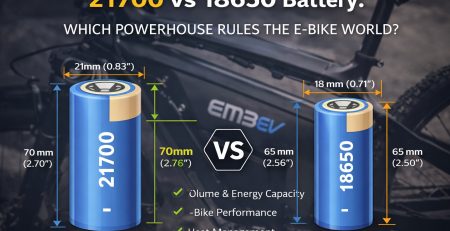
- 18650: The traditional size (18mm x 65mm). Reliable and widely available.
- 21700: The modern standard (21mm x 70mm). These larger cells offer higher energy density and current capability. A 48V pack built with 21700 cells can often be smaller and lighter than an 18650 equivalent while delivering more power.
Voltage Comparison: 36V vs 48V vs 52V
Voltage can be thought of as “electrical pressure.” Higher pressure means more potential for speed and torque.
| Voltage | Best Application | Typical Top Speed* | Est. Price Range |
| 36V | Commuting, Flat Cities, 250W-350W Motors | 15–20 mph (25-32 kph) | $180 – $350 |
| 48V | Hills, Cargo, 500W-750W Motors | 22–28 mph (35-45 kph) | $300 – $600 |
| 52V | Enthusiasts, Heavy Loads, 1000W+ Motors | 30–35+ mph (48-55+ kph) | $450 – $800+ |
| 72V | E-Moto Performance, Off-road | 45+ mph (70+ kph) | $900+ |
*Speed depends on motor kV, wheel size, and controller limits.
The Role of the BMS (Battery Management System)
Every safe electric bicycle battery contains a BMS. This electronic circuit board acts as a gatekeeper.
- Overcharge Protection: Stops charging when individual cell groups hit 4.2V.
- Over-discharge Protection: Cuts power when the pack gets too low, preventing permanent chemical damage.
- Balancing: Ensures all cell groups stay at the same voltage. A “Smart BMS” (Bluetooth enabled) allows you to monitor cell health via your phone—a feature highly recommended for high-performance users.
Replacement Cost Factors
Why does one 48v e cycle battery cost $250 and another $600?
- Entry Level ($200 – $300): Generic cells, basic BMS, lower capacity (10Ah). Good for light use (5-10 miles/day).
- Mid-Range ($400 – $600): Brand name cells (Samsung/LG), standard capacity (13Ah – 17Ah). This is the “sweet spot” for 90% of riders.
- High-End ($700+): High-discharge cells, Smart BMS, massive capacity (20Ah+), often using 52V or 72V architecture. Designed for touring and high-speed commuting.
Lithium-Ion vs. Lead Acid: Is There a Debate?
In 2025, the answer is clear: Stick to Lithium-Ion (Li-ion).
While you might find a cheap lead-acid (SLA) setup, it is obsolete technology for bicycles.
- Weight: Li-ion is 1/4 the weight of Lead-Acid.
- Lifespan: Li-ion offers 800+ cycles vs. 200-300 for SLA.
- Power: Li-ion maintains voltage better under load. SLA sags immediately when you accelerate.
Top Configurations for Different Riders
Based on your riding style, here are the archetypes to look for when shopping for an e cycle kit with battery or a standalone unit.
The Daily Commuter (36V Hailong/Shark)
- Best For: City riding, flat terrain, and motors between 250W–500W.
- Why Choose It: This is the most cost-effective and lightweight option. The compact “Shark” case mounts neatly to your water bottle eyelets, keeping the bike balanced. It provides smooth power for casual riders who don’t need excessive speed.
- Target Specs: 36V | 10Ah – 15Ah
- Est. Range: 15 – 25 miles (25 – 40 km)
The All-Rounder (48V Hailong/Shark)
- Best For: Hilly areas, heavier riders, and motors between 500W–1000W.
- Why Choose It: The 48V configuration is the industry’s “Gold Standard.” It offers significantly more torque (hill-climbing power) and acceleration than the 36V version without being too heavy. If you want a battery that does it all, this is it.
- Target Specs: 48V | 13Ah – 17Ah
- Est. Range: 25 – 35 miles (40 – 55 km)
The Range Monster (52V Triangle Pack)
- Best For: Long-distance touring, food delivery, and high-power explorations.
- Why Choose It: When a standard case isn’t enough, go Triangle. By utilizing the large space inside your frame’s triangle, this pack fits more lithium cells, offering massive capacity (Ah). It is the ultimate solution for riders who never want to worry about running out of power.
- Target Specs: 52V | 20Ah – 30Ah+
- Est. Range: 40 – 60+ miles (65 – 100+ km)
High Performance (52V Hailong/Shark)
- Best For: Speed enthusiasts, Bafang BBSHD/BBS02 mid-drives, and 1000W+ motors.
- Why Choose It: Get maximum power from your motor. A 52V battery reduces “voltage sag,” meaning your bike stays fast and peppy even as the battery drains. It packs expert-level performance into the standard, easy-to-remove Shark case.
- Target Specs: 52V | 13Ah – 17Ah
- Est. Range: 30 – 40 miles (45 – 65 km)
7 Expert Tips to Extend Lifespan & Safety
Safety is critical given the high energy density of these packs. Follow these rules to keep your bike battery pack healthy.
- The 80-20 Rule: Try to keep your charge between 20% and 80%. Consistently draining to 0% or leaving it at 100% for weeks stresses the chemistry.
- Cool Down First: Never charge immediately after a hard ride. Let the cells cool down for 30 minutes.
- No Freezing Charging: Never charge a lithium pack in freezing temperatures (below 0°C / 32°F). This can cause immediate, permanent plating of the anode.
- Use the Correct Charger: Never use a 52V charger on a 48V unit. Overvoltage can lead to fire.
- Storage Voltage: If storing for winter, discharge to roughly 50% (3.6V – 3.7V per cell). Check it once a month.
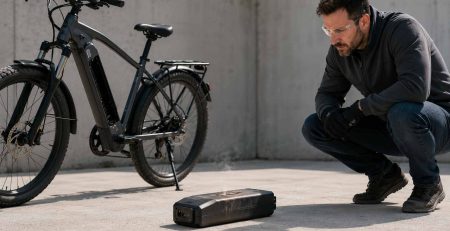
- Avoid Vibrations: Ensure the mounting plate is tight. Loose batteries suffer from vibration damage to the internal solder points.
- Inspect Contacts: Keep discharge ports clean. Sparking while plugging in indicates a poor connection or lack of an “anti-spark” connector.
Frequently Asked Questions (FAQ)
What is the average e cycle battery price?
Prices typically range from $250 to $700. A high-quality 48V replacement with Samsung cells usually costs around $450. Be wary of anything under $200 claiming high specs, as they likely use recycled or dangerous cells.
How many years will my battery last?
A quality lithium-ion unit generally lasts 3 to 5 years, or roughly 500 to 800 full charge cycles. After this, it will still work but may only hold 70-80% of its original capacity.
What causes “Voltage Sag”?
Voltage sag is when power drops during acceleration (e.g., the display shows the battery going from 100% to 50% instantly). This is caused by using a battery with a low “C-Rating” (insufficient discharge current) or low-quality cells that cannot keep up with the motor’s demand.
Can I upgrade from 48V to 52V?
In most cases, yes. A fully charged 52V battery hits 58.8V, while a 48V battery hits 54.6V. Most 48V controllers have components rated for 60V or 63V, making them compatible. However, check your screen/display compatibility, as the battery percentage meter might read incorrectly on the old setting.
Where is the best place to buy a replacement?
Purchase from specialized e-bike shops (like EM3ev) that assemble their own packs or verify cell authenticity. Avoid random marketplace sellers who cannot verify the specific cell model (e.g., “Samsung 35E”) used inside the pack.
Final Verdict
Replacing your energy source is the single best way to revive an old bike or boost the performance of a new kit. By choosing a quality pack with known name-brand cells and a smart BMS, you ensure safety and performance for years to come. Remember: in the world of lithium batteries, you usually get exactly what you pay for.




LEAVE A COMMENT