




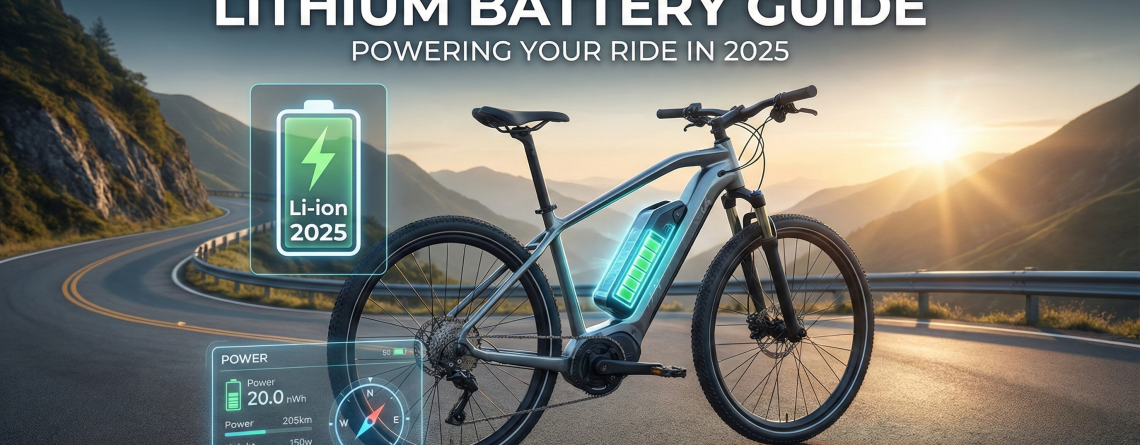
The Ultimate Ebike Lithium Battery Guide: Powering Your Ride in 2026
An ebike lithium battery is a high-density rechargeable power source, typically using lithium-ion technology to provide energy to an electric bike’s motor. It acts as the “fuel tank,” determining how far and fast you can go. Most modern e-bikes utilize 36V or 48V systems for an optimal balance of weight and performance.
I still remember the first time my “budget” battery gave up on me. I was halfway up a 10% grade, three miles from home, and suddenly, the pedal assist vanished. To be honest, pedaling a 60-pound electric bike without power is less like “cycling” and more like a heavy-duty gym session you didn’t sign up for. It was that moment I realized that an electric bike lithium battery isn’t just a component—it’s the heart of the experience.
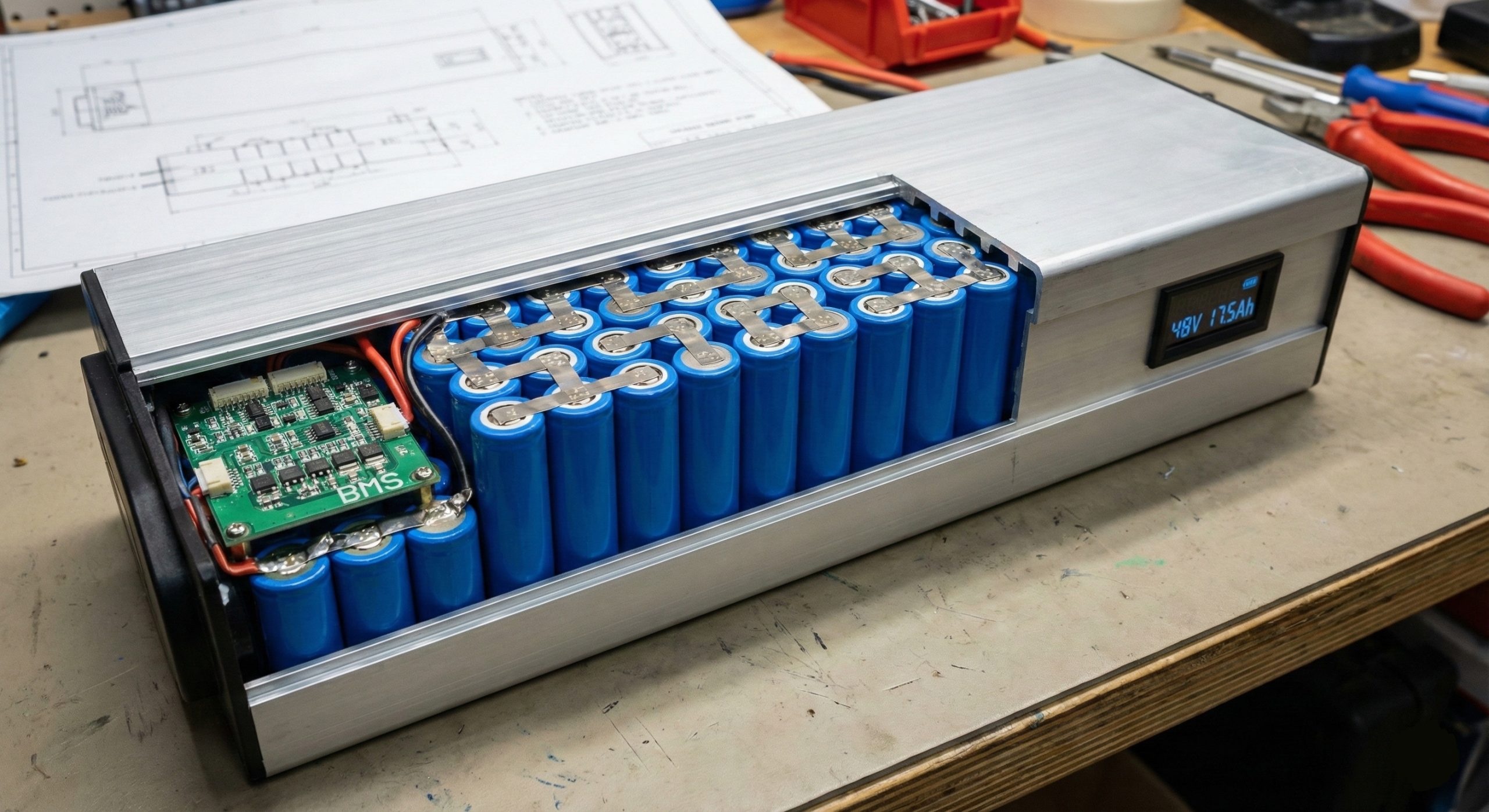
Inside the power: A look at what makes a lithium ion battery for ebike systems tick.
⚡ Why Lithium is the Gold Standard for Your Ride
Actually, why do we use lithium anyway? If you’ve been around the block, you might remember heavy lead-acid batteries. In my case, switching to a lithium battery ebike system was a revelation. Lithium-ion offers the highest energy density available for consumer bikes, meaning more range for less weight. You know, it’s the difference between carrying a laptop and carrying a cinder block.
Is a lithium battery better than lead-acid for e-bikes?
Absolutely. Lithium batteries for e bikes are about one-third the weight and last three times longer than lead-acid alternatives, making them the only logical choice for modern riders.
How long does a lithium ion battery for ebike last?
Most high-quality packs offer 500 to 1,000 full charge cycles. For the average rider, that translates to roughly 3 to 5 years of consistent use before you notice a significant drop in range.
Ready to upgrade your range?
Before you dive into the technical specs, it’s worth knowing which voltage fits your motor controller perfectly.See Replacement Options
💡 Decoding Specs: 36V vs 48V Lithium Battery Ebike Systems
When you start looking for an ebike lithium battery replacement, the numbers can get dizzying. “Should I go with a 36v lithium battery ebike or a 48v lithium ion battery ebike?” is a question I get asked almost weekly. To be honest, it’s not just about “more is better.” It’s about compatibility with your motor’s “brain”—the controller.
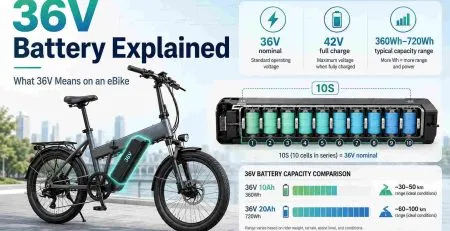
In my experience, a 48v ebike lithium battery provides that extra “oomph” for hill climbing and acceleration. However, if you’re cruising flat city streets, a 36v lithium ebike battery is often lighter and more affordable. Think of voltage like the pressure in a garden hose; higher pressure moves water faster, but you need a hose that can handle it.
The Capacity Equation: Ah and Wh
You’ll also see “Ah” (Amp-hours). This is your fuel tank size. I once tested a 10Ah battery against a 20Ah pack on the same route. While the 10Ah was lighter, the 48v 20ah battery ebike pack allowed me to finish a 40-mile trek without that nagging “range anxiety.”
| Battery Type | Typical Range | Best Use Case | Weight (Approx) |
|---|---|---|---|
| 36V 10Ah Lithium | 20-30 miles | City Commuting / Light Folding Bikes | 5-6 lbs |
| 48V 14Ah Lithium | 35-45 miles | General Trail Riding / All-round Use | 8-9 lbs |
| 48V 20Ah Lithium | 50-70 miles | Cargo Bikes / Long Distance Touring | 12+ lbs |

Can I use a 48V battery on a 36V e-bike?
Usually, no. Unless your controller is “multi-voltage” rated, you risk frying the electronics. Always check your motor’s manual before upgrading.
🚀 Choosing the Best Lithium Battery for Ebike Upgrades
Selecting an ebike lithium battery isn’t just about the specs on the sticker. You have to consider the mounting style. Is it a “Shark” pack that mounts on the downtube? A “Rear Rack” battery? Or an integrated internal pack? In my case, I prefer the Shark-style packs because they keep the center of gravity low, making the bike feel much more stable in corners.
💡 Pro Tip: If you are looking for an electric bicycle lithium battery, pay attention to the “BMS” (Battery Management System). A high-quality BMS prevents overcharging and overheating, which is crucial for ebike lithium battery fire prevention and overall safety.

Standard 36V City Pack
Perfect for lightweight folding bikes and short commutes.
Cargo Beast 48V 20Ah
The go-to for delivery riders and heavy-duty cargo haulers.

Replacement & Compatibility Checklist
Before you hit “buy” on that lithium bike battery, run through this quick list I’ve developed over years of tinkering:
- Connector Type: Is it XT60, Anderson, or a proprietary 4-pin?
- Physical Dimensions: Does it actually fit between your water bottle bosses?
- Discharge Current: Can the battery handle the “Amps” your motor pulls (e.g., 30A BMS for a 750W motor)?
📖 Frequently Asked Questions
How do I care for my ebike lithium battery?
To extend ebike lithium battery care, avoid leaving it at 0% or 100% for long periods. I usually keep mine between 20% and 80% if I’m not riding the next day. Also, never charge a frozen battery—let it warm up to room temperature first!
Are ebike lithium batteries a fire risk?
While rare, ebike lithium battery fire incidents usually stem from low-quality chargers or physical damage. Always use a ebike lithium battery charger specifically designed for your pack and look for UL-certified batteries.
What is the ebike lithium battery price range?
Generally, you get what you pay for. A reliable lithium battery for electric bike systems ranges from $300 to $800. If you see one for $150, it likely uses generic cells with lower safety standards.
Can I repair my ebike lithium battery?
Ebike lithium battery repair is possible for things like a blown fuse or a loose wire, but replacing individual dead cells requires professional tools. For safety, it’s usually better to replace the whole pack if the cells are failing.
Final Thoughts
At the end of the day, your ebike lithium battery is the single most important investment in your electric bicycle. Choosing high-quality cells from brands like Samsung, LG, or Panasonic might cost more upfront, but the peace of mind—and the lack of “walking my bike home”—is worth every penny.
Disclaimer: This guide is based on expert rider experience. Always follow your manufacturer’s manual and local regulations regarding lithium battery transport and disposal. If your battery is swollen or leaking, stop using it immediately.
References:
- Battery University: How to Prolong Lithium-based Batteries
- CPSC Safety Guide for Micromobility Devices
This article shares expert experiences and was organized with AI assistance to ensure the latest SERP standards.





LEAVE A COMMENT