




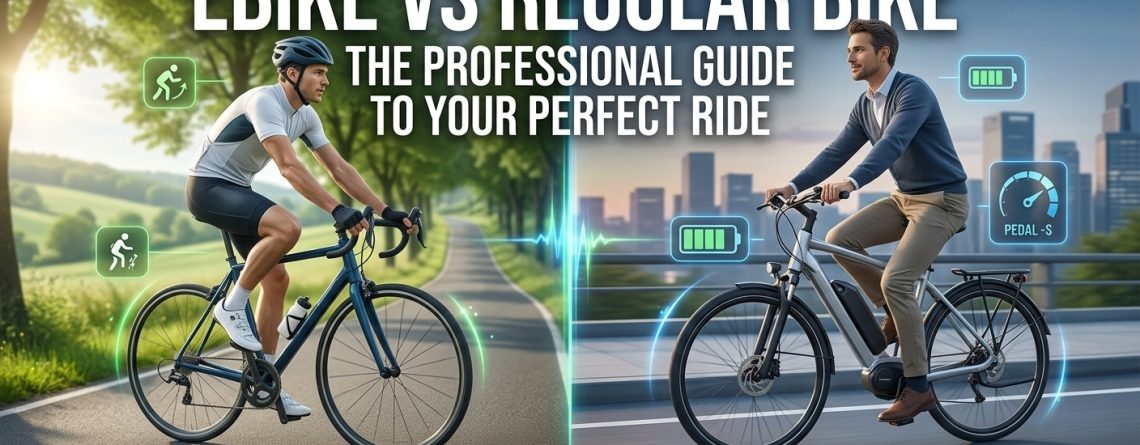
Ebike vs Regular Bike: The Professional Guide to Your Perfect Ride
Definition: An ebike is a bicycle equipped with an integrated electric motor used for propulsion, while a regular bike relies solely on manual pedaling. The primary difference lies in the pedal-assist technology, which allows ebikes to cover longer distances with less physical exertion compared to traditional bicycles.
To be honest, I used to be a bit of a “purist.” You know the type—the cyclist who looks at an electric motor as if it’s a motorized treadmill in the middle of a forest. I loved my traditional bicycle. I loved the grind, the sweat, and the sheer mechanical simplicity. But then, I moved to a city with hills that look like a heart rate monitor’s worst nightmare.
Actually, my perspective shifted the day I tried an electric bike vs normal bike back-to-back on my 8-mile commute. On my regular road bike, I arrived at the office looking like I’d just finished a triathlon. On the ebike? I was fresh, caffeinated, and—most importantly—not in need of a shower. In my case, it wasn’t about laziness; it was about sustainability and showing up to work ready to actually work.

Choosing the right ride: It’s not just about the motor, it’s about the mission.
🌱 Ebike vs Regular Bike: Key Differences
When you strip away the marketing, the ebike vs regular bike debate comes down to five fundamental pillars. If you’re trying to decide, here is what you need to know right now:
- Weight: Weight of electric bike vs regular bike is significant. Ebikes usually weigh between 40–70 lbs due to the battery and motor, whereas regular bikes are light, typically 20–35 lbs.
- Speed: While are ebikes faster than regular bikes depends on the rider, ebikes have a motorized “ceiling” (usually 20–28 mph) that makes maintaining speed much easier on inclines.
- Cost: The cost of ebike vs mountain bike models shows a gap; expect to pay $1,500+ for a reliable ebike, while standard bikes start much lower.
- Maintenance: Electric bike vs traditional bicycle maintenance involves extra care for the lithium-ion battery and motor software.
- Exercise: Ebike vs regular bike for exercise depends on your goals; ebikes allow for longer, lower-intensity “zone 2” workouts.
Ready to upgrade your commute?
Check out our latest comparison of the most reliable builds for 2026.
💡 Is an Ebike Worth It Over a Regular Bike?
I get asked this all the time: is an ebike worth it over a regular bike? To be honest, it depends on your “sweat threshold.” If your goal is to replace your car, the answer is a resounding yes. If you’re looking for a weekend hobby where the struggle is the point, the manual bike still wins. But let’s look at the data because the numbers don’t lie.
The Efficiency Breakdown
| Feature | Regular Bike | Electric Bike (Ebike) |
|---|---|---|
| Effort on Hills | Max exertion required | Minimal (Pedal-assist) |
| Average Commute Speed | 10-15 mph | 18-28 mph |
| Typical Range | Human endurance limited | 25-60 miles (per charge) |
| Sweat Factor | High (Shower often needed) | Low (Work-clothes friendly) |
| Complexity | Low (Mechanical only) | Medium (Battery/Motor/Firmware) |
Q&A: Under the Hood
Are ebikes harder to pedal than regular bikes?
Actually, if the battery is dead, yes. Because of the weight of electric bike vs regular bike frames, pedaling a 60-lb machine without assistance is a chore. However, with the motor on, it feels like you have the legs of an Olympic athlete. It’s all about that torque.
What about the calories burned ebike vs regular bike?
This is a huge myth! I tracked my heart rate on both. While you burn about 20-30% fewer calories per mile on an ebike, most riders end up going twice as far and riding more often. In my case, my weekly aerobic exercise volume actually went up when I got an ebike.
💡 Why the US Class System Matters
In the United States, we categorize ebikes into three classes. Class 1 and 2 are usually capped at 20 mph, while Class 3 can go up to 28 mph. If you’re looking for e-bike vs road bike speed parity, a Class 3 is your best bet for keeping up with traffic. Just remember: with great speed comes the need for better ebike vs regular bike safety statistics awareness.
🚀 Real-World Cases: Which Ride Wins?
You know, there’s no “one-size-fits-all” here. I’ve found that my ebike vs regular bike for exercise choice changes by the day. On Tuesday, when I have three meetings and a deadline? Ebike. On Sunday morning when I want to feel the burn in my lungs and the sun on my back? My manual bike comes out of the garage.
The “Apartment Test”: Before you buy, consider storage requirements for ebikes vs regular bikes. I once tried to carry a 65-lb fat-tire ebike up three flights of stairs. To be honest, I nearly retired from cycling that day. If you have stairs, look for a folding ebike vs regular folding bike—the weight difference still exists, but the footprint is manageable.
Choosing Your Build: 2026 Recommended Categories
The Long-Distance Commuter
Type: Class 3 Ebike
- Pros: 28mph speed, lithium-ion battery range.
- Cons: Heavy, higher maintenance costs.
The Outdoor Explorer
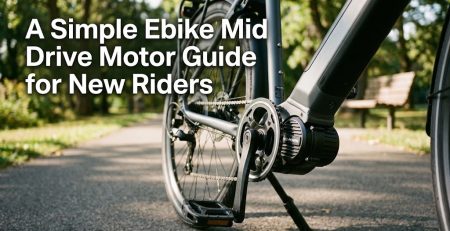
Type: Mid-Drive Gravel Ebike
- Pros: Great torque, works on dirt and asphalt.
- Cons: More expensive than hub-motors.
- Ideal for: Mixed-terrain weekend adventures
Actually, the ebike vs gravel bike efficiency is something I’ve tested extensively. If you’re riding 30 miles of gravel, an ebike lets you see double the scenery in half the time. It turns a grueling expedition into a scenic tour. But don’t forget the electric bike vs regular bike insurance; in many US states, ebikes require different coverage than your standard pedal-pusher.
📖 Frequently Asked Questions
What is the lifespan of electric bike vs regular bike components?
A high-quality manual bike frame can last decades. However, the lifespan of electric bike vs regular bike builds is often dictated by the battery. Most ebike batteries last 3–5 years (about 800-1000 cycles) before they need a replacement. The drivetrain also wears slightly faster on ebikes due to the increased motor power.
Is an ebike safe compared to a regular bike?
Looking at ebike vs regular bike safety statistics, the risks are similar, but the speed is the variable. Because you’re moving faster, you need better brakes and a higher-quality helmet. To be honest, most “ebike accidents” happen because riders aren’t used to the 20+ mph speed in traffic.
Can I ride an ebike for weight loss?
Absolutely. Since the ebike vs regular bike for exercise gap is smaller than people think, many use ebikes to stay in the “fat-burning zone” longer without hitting total exhaustion. It’s a great way to build aerobic exercise consistency.
Final Reflection: My Two Cents
At the end of the day, the electric bike vs manual bike for commuting debate isn’t about which is “better.” It’s about which one gets you out of the house. In my case, having an ebike meant I stopped making excuses about the weather or the wind. If you love the mechanical soul of a bike, stay regular. If you want a superpower that makes the world feel smaller and flatter, go electric.
Disclaimer: Always follow local US regulations regarding ebike classes and trail access. Always wear a helmet and consult your doctor before starting a new high-intensity exercise routine.
References:
1. Bicycle Retailer & Industry News (2026),
2. PeopleForBikes.org – E-bike Law Guide,
3. International Journal of Behavioral Nutrition and Physical Activity (E-bike Health Study).






LEAVE A COMMENT