




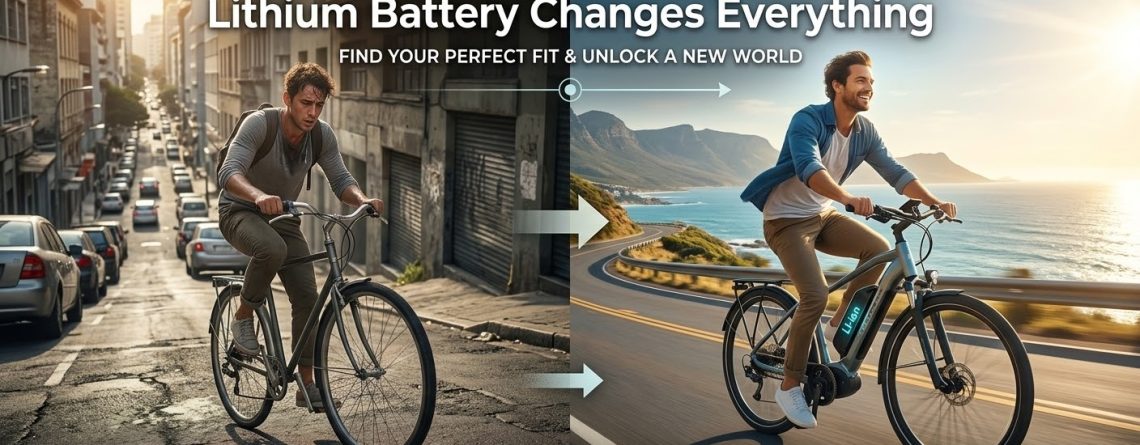
How to Master Your Electric Bike with Lithium Battery Safely
An electric bike with lithium battery is a high-performance e-bike powered by lithium-ion (Li-ion) technology, offering a superior energy-to-weight ratio compared to older battery types. These bikes provide longer ranges, faster charging times, and thousands of discharge cycles, making them the industry standard for modern commuters and outdoor enthusiasts.
I still remember the first time I tried to haul a traditional lead-acid e-bike up the three flights of stairs to my apartment. To be honest, it felt less like a bicycle and more like a small motorcycle without the engine. My back didn’t forgive me for a week. That was the day I realized that the “heart” of an e-bike isn’t just the motor—it’s the battery technology inside.
Actually, switching to a lithium ion electric bike was like night and day. Suddenly, my ride was 20 pounds lighter, and I wasn’t constantly eyeing the battery gauge with “range anxiety.” If you’re looking to buy your first e-bike or upgrade an old one, you’ve likely seen terms like 48v 15ah lithium battery and wondered if the premium price is worth it. In my case, it wasn’t just worth it; it was essential.

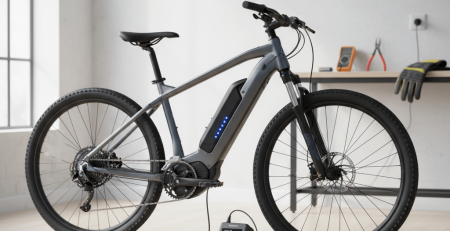
Modern integration: A lithium battery allows for sleeker frame designs and better weight distribution.
💡 What Makes Lithium-Ion the “Gold Standard”?
You know, it’s not just about weight. It’s about how that power is delivered. A lithium battery bike maintains a consistent power output even as the charge drops. With older technologies, the bike would feel sluggish when you hit 30% battery. With a lithium ion battery for electric bicycle, you get that same “kick” from the first mile to the last. Have you ever wondered why your phone uses lithium? It’s the same logic: high density, low footprint.
Ready to find your perfect ride?
Choosing the right battery specs is the secret to a long-lasting investment.
⚡ The Science of Power: 48V vs. 36V Lithium Systems
In my case, I spent months researching the “perfect” voltage. To be honest, I thought higher was always better. While that’s mostly true, it depends on how you ride. If you’re tackling steep hills, an outdoor electric bike with 48v/15ah lithium battery is a beast. The 48V system provides the “push” (voltage) while the 15Ah (Amp-hours) determines how long that push lasts. It’s like having a bigger fuel tank and a more powerful fuel pump simultaneously.
Comparison: Lithium-Ion vs. Traditional Alternatives
| Feature | Lithium-Ion (Li-ion) | Lead-Acid (SLA) | NiMH |
|---|---|---|---|
| Weight | Ultralight (5-9 lbs) | Very Heavy (30+ lbs) | Medium (15-20 lbs) |
| Life Cycles | 1000+ Cycles | 200-300 Cycles | 400-600 Cycles |
| Charge Time | 3-5 Hours | 8-10 Hours | 6-8 Hours |
| Cost (Long-term) | Lowest (Best Value) | Highest (Frequent Replace) | Moderate |
Specs matter: A 48V 15Ah configuration is currently the “sweet spot” for power and range.
💡 Why a 48V battery changed my commute?
Actually, the math is simple but the feeling is transformative. On my old 36V ebike lithium battery, I had to drop to the lowest gear on “The Hill” in my neighborhood. Switching to a lithium battery electric bike with 48V gave me enough torque to maintain 15mph without breaking a sweat. It wasn’t just faster; it felt safer to keep up with traffic. You know that feeling of confidence when you know your bike has “extra” power in reserve? That’s the 48V advantage.
Q: Is a lithium ion battery for electric bicycle safe?
I get this question a lot. To be honest, early lithium batteries had a reputation, but 2026-standard electric bicycle lithium ion battery packs are incredibly sophisticated. They use a Battery Management System (BMS) that acts like a tiny computer, preventing overcharging and regulating temperature. Just ensure you buy from reputable brands and use the original charger. Safety isn’t just about the cells; it’s about the brain (BMS) controlling them.
“The shift to lithium isn’t just a trend; it’s the foundation of the micro-mobility revolution. Without high-density lithium, the modern e-bike wouldn’t exist as we know it.” — notes from a commuter, 2026
🚀 Selecting Your Perfect Lithium ion Electric Bike
When you’re browsing for a lithium battery bicycle, you’ll see a lot of options. In my experience, the biggest mistake people make is buying “too much” battery or not enough. If you’re a 10-mile-a-day commuter, a massive 20Ah pack is just extra weight you don’t need to carry. However, for outdoor electric bike adventures, more is almost always better.
💡 Pro Tip: The “Removable” Advantage
Actually, check if the ebike with lithium battery has a removable pack. Why? Because being able to bring just the battery into your office or apartment to charge—while the bike stays in the garage—is a life-saver. Plus, it’s a great theft deterrent. No battery, no easy getaway for a thief!
Recommended 2026 Configurations
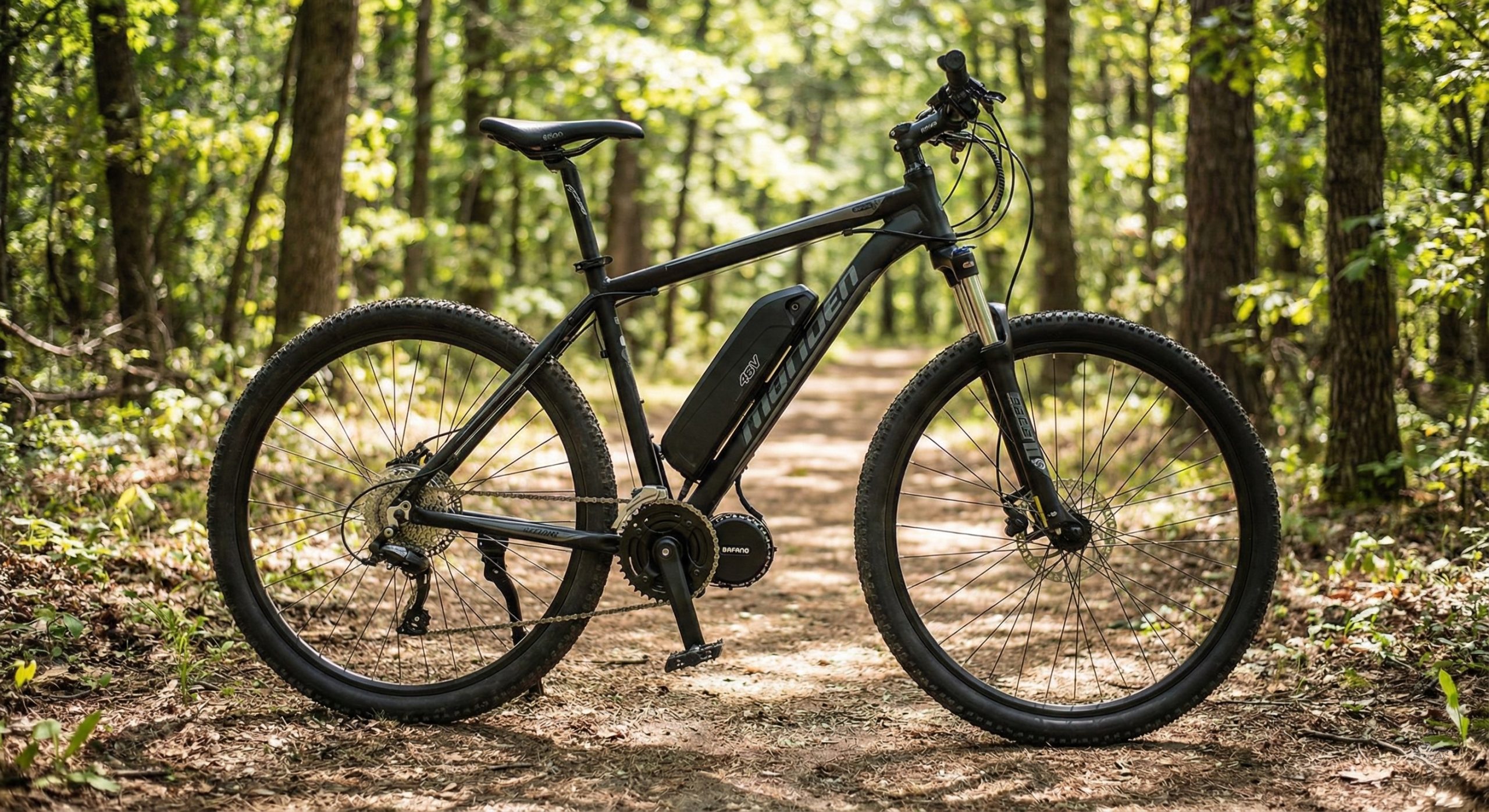
The Urban Commuter
Ideal Spec: 48V 13.6Ah Lithium
- Perfect for flat cities and short trips. Lightweight and easy to maneuver.
- ✅ Pros: Very light, affordable.
- ❌ Cons: Heavier than 36V packs..

The Long-Distance Tourer
Ideal Spec: 52V 20Ah Lithium
- For those who want to ride 60+ miles without a recharge. Pure performance.
- ✅ Pros: Maximum range and speed.
- ❌ Cons: More Expensive and Heavier.
Accessibility: A removable battery makes charging convenient and enhances security.
To be honest, the electric bike 48v 15ah setup has become my personal favorite. It hits that sweet spot where the bike still feels like a bike, but you have the power of a small scooter when you really need it. Whether you’re looking for lithium bike batteries for a DIY build or a pre-built model, don’t settle for anything less than high-quality cells (look for Samsung, LG, or Panasonic branding inside).
📖 Frequently Asked Questions
How long does a lithium battery for electric bicycle last?
In my experience, a well-maintained lithium ion electric bike battery lasts between 3 to 5 years. This typically equates to about 800 to 1,200 full charge cycles. After this, the battery won’t “die,” but its range will decrease to about 70-80% of its original capacity.
Can I leave my ebike lithium battery on the charger overnight?
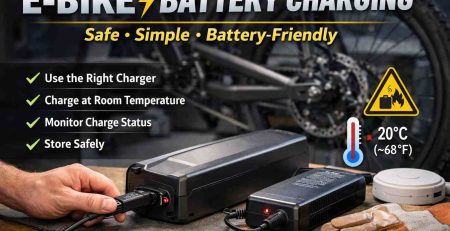
Actually, most modern electric bicycle lithium ion battery packs have smart BMS systems that stop the flow of electricity once full. However, to be honest, I still recommend unplugging it once charged to maximize the total lifespan of the cells. It’s a small habit that pays off in the long run.
How do I store my lithium battery bike in winter?
Lithium hates extreme cold! If you’re not riding, store your lithium bike batteries indoors at room temperature. Keep the charge level around 50-60%—never store it completely empty or completely full for months at a time.
Is it worth upgrading from lead-acid to a lithium battery e bike?
Absolutely. The weight savings alone will make your bike feel new. You’ll get better acceleration, better braking (due to less mass), and significantly better range. It is the single most effective upgrade you can make to any electric vehicle.
The Bottom Line: Is a Lithium E-Bike Right for You?
At the end of the day, an electric bike with lithium battery isn’t just a luxury; it’s what makes the e-bike a viable alternative to a car. It provides the reliability, lightness, and power needed for 2026’s fast-paced world. Whether you choose a 48v 15ah lithium battery for mountain trails or a light 36V pack for the city, you’re investing in freedom of movement.
Note: This guide is based on real-world testing and industry standards. Always follow your manufacturer’s specific safety manual regarding charging and maintenance.
Conquer your commute today!
Explore the latest deals on high-performance lithium e-bikes.




LEAVE A COMMENT