





The Ultimate Guide to Choosing the Best Battery for Your Ebike
Introduction
The battery is the most critical component of your electric bicycle. It’s the powerhouse that dictates your e-bike’s range, power, and overall performance. Whether you’re a daily commuter, an off-road adventurer, or a casual cruiser, selecting the right battery will define your riding experience. This guide will help you understand the essential factors, from battery chemistry to safety standards, ensuring you choose the best battery for your e-bike.
Shopping for all voltages (36V/48V/52V/72V)? See all eBike battery packs

Investing in a quality battery and a compatible battery charger for your ebike is not just about performance; it’s also about safety and longevity. Let’s dive into what makes these power packs tick.
🔋 E-Bike Battery Basics: Volts, Amps, and Watts Explained
To make an informed decision, it’s crucial to understand the three core metrics of an e-bike battery:
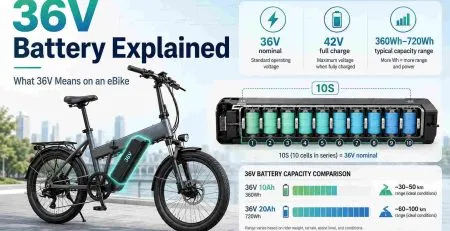
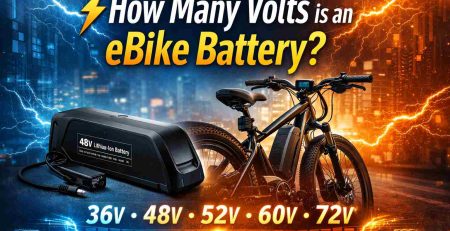
- Voltage (V): Think of this as the “power” of the battery. Higher voltage generally means more speed and torque. Common options are 36V, 48V, and high-performance 72V batteries.
- Amp-Hours (Ah): This measures the battery’s capacity, similar to the size of a fuel tank. A higher Ah rating translates to a longer range.
- Watt-Hours (Wh): This is the most accurate measure of a battery’s total energy. It’s calculated by multiplying Volts by Amp-Hours (V x Ah = Wh). When comparing batteries, a higher Wh is the best indicator of a longer potential range.
Key Takeaway: Watt-hours (Wh) is the most important metric for comparing e-bike battery capacity and potential range. A higher Wh number almost always means you can ride for a longer distance on a single charge.
| Metric | Symbol | What It Measures | Impact on Performance |
|---|---|---|---|
| Voltage | V | Electrical “Force” | Affects power and potential top speed. |
| Amp-Hours | Ah | “Fuel Tank Size” | Directly influences riding range. |
| Watt-Hours | Wh | Total Energy Capacity | The best overall measure of range. |
Understanding these basics is the first step. For instance, a 24v battery for ebike systems is typically found on older or very light-duty models, while most modern ebikes operate on 36V or 48V for a balanced blend of power and range. Now, let’s look at the chemistry that powers these units.
🧪 E-Bike Battery Chemistry: A Look Inside the Battery Pack
Now that we’ve covered the fundamental metrics of power, let’s delve into what’s inside the casing. The chemical composition of a battery for ebikes is the single most important factor determining its performance, weight, and cost. While older technologies are now obsolete, the world of lithium-ion is diverse.
The Best E-Bike Battery Type: Lithium-Ion
Virtually all modern e-bikes use a lithium-ion (li-ion) battery. They are the industry standard due to their excellent energy density, longer lifespan, and lighter weight compared to older technologies like lead-acid.
Within the li-ion family, two main chemistries are common:
Lithium Iron Phosphate (LFP or LiFePO4): Known for its exceptional safety and very long cycle life (2000+ cycles). However, LFP batteries are heavier and bulkier for the same capacity, making them suitable for cargo or utility bikes.
Lithium Nickel Manganese Cobalt Oxide (NMC): The most popular choice, offering a great balance of energy density (for a lighter battery) and a long lifespan (800-1000+ cycles).
The Role of the Battery Management System (BMS)
Every quality lithium-ion battery for an e-bike includes a Battery Management System (BMS). This is the battery’s onboard computer, protecting the cells from overcharging, over-discharging, and overheating. A reliable BMS is crucial for both safety and maximizing the battery’s lifespan.

Product Spotlight: 36V 13.6Ah Super Shark Battery Pack
Voltage: 36V
Capacity: 13.6Ah (490Wh)
Chemistry: LiNMC
Features: Bluetooth connectivity for app monitoring, advanced cell balancing, overcharge/discharge protection
Use Case: Urban commuting, seamless data integration
Product Spotlight: King Shark 48V 19.6Ah Battery Pack
Voltage: 48V
Capacity: 19.6Ah (918Wh)
Chemistry: LiNMC
Features: Quick-mount for portability, integrated basic BMS, excellent cycle life
Use Case: Extended range, riders prioritizing safety and durability
⚖️ E-bike Battery Comparison: NMC vs. LFP at a Glance
| Feature | NMC (Nickel Manganese Cobalt) | LFP (Lithium Iron Phosphate) |
| Best For | Long range, lightweight performance | Maximum lifespan and safety |
| Energy Density | Higher (lighter weight for same capacity) | Lower (heavier and bulkier) |
| Lifespan | Good (800-1000+ cycles) | Exceptional (2000-4000+ cycles) |
| Safety | Very Safe | Extremely Safe (Highest thermal stability) |
| Cost | Moderate to High | Moderate (Cost per cycle is very low) |
🔌 Fit and Form Factor: Where the Battery Mounts on Your Electric Bicycle
Beyond the internal chemistry and electrical specifications, the physical shape and mounting style of an e-bike battery are critical for compatibility and ride quality. The placement of a heavy component like a battery for an ebike significantly impacts the bike’s center of gravity, handling, and balance. Choosing the right form factor often depends on your bike’s frame design and your intended use.
🚴♀️ Choosing the Right Battery For Your Riding Style
The best battery for your e-bike depends on your needs. Here’s a breakdown:
- For the Daily Commuter: A 36V or 48V NMC battery with 10-17Ah is typically ideal. This provides a balanced combination of range, power, and manageable weight for daily trips. A down tube mounted battery offers the best weight distribution and handling.
- For the Off-Road Adventurer: A 48V or 72V battery for e-bike enthusiasts with 17Ah or more is recommended for the extra power needed to tackle steep climbs and rough terrain.
- For the Casual Cruiser or Cargo Hauler: A rear rack-mounted LFP battery is a solid option. Its durability and safety are advantageous, and the added weight is less of a concern for utility-focused riding.
Common E-Bike Battery Mounting Styles:
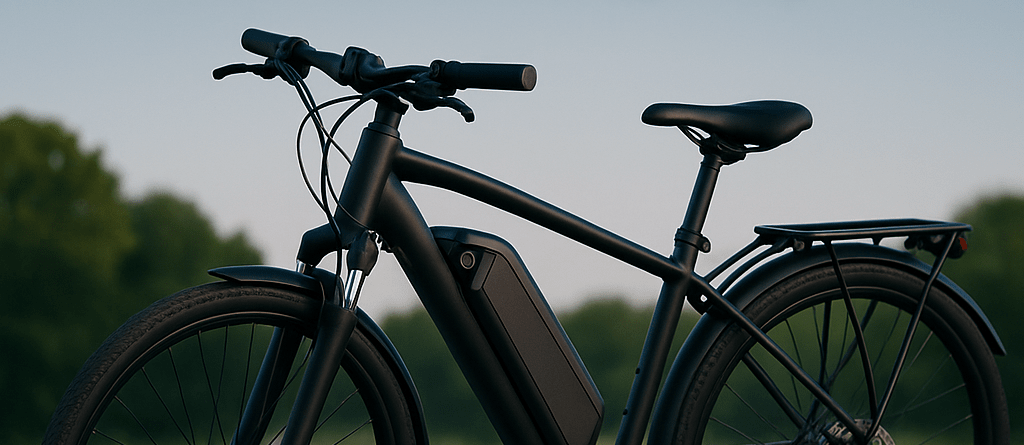
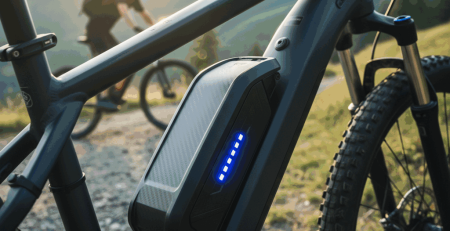
- Down Tube (Intube/Integrated): This is the most popular modern style. The battery mounts to or is integrated directly into the bike’s down tube. This position provides the best center of gravity, leading to superior handling and a balanced feel that closely mimics a traditional bicycle. Removable down tube batteries offer a great blend of aesthetics and convenience.
- Rear Rack: Common on commuter, cruiser, and cargo bikes, these batteries are housed within or beneath a rear cargo rack. While this design is easy to mount and remove, it places the weight high and to the rear, which can negatively affect handling, especially on smaller frames or when the rack is also loaded with cargo.
- Seat Tube: Mounted on the seat tube behind the rider, this style offers a centralized weight distribution similar to a down tube battery. It’s a common choice for bikes with unconventional frame designs, step-through models, or folding bikes where down tube space is limited.

The battery’s position dramatically affects the bike’s handling and balance.
Upgrading and Compatibility
When replacing or upgrading batteries for ebikes, you must ensure the new unit is physically and electrically compatible. The mounting bracket, controller connection, and voltage must all match your existing system. It’s often best to source a replacement from the original manufacturer or a reputable aftermarket supplier specializing in your bike’s brand. While a larger capacity (Ah) battery can often be fitted to gain more range, never use a battery with a different voltage unless the entire system (motor and controller) is designed for it.
⚡️ Charging Your E-bike Battery
- Always use the correct charger: Only use the battery charger for your e-bike that was supplied by the manufacturer. An incorrect charger can cause damage and poses a fire risk.
- Standard vs. Fast Charging: A standard 2A charger is gentler on the battery and promotes longevity. A fast charger (4A+) is convenient but can generate more heat, potentially reducing the battery’s lifespan over time.
- Avoid extreme temperatures: Never charge your battery in temperatures below freezing (32°F / 0°C) or above 113°F (45°C).
Storing Your Battery
Store at a partial charge: For long-term storage (a month or longer), keep the battery charged to between 40% and 80%.
Keep it cool and dry: Store your battery indoors in a location that is protected from extreme temperatures and moisture.
Need a Reliable Replacement Battery? Don’t compromise on power or safety. Browse our selection of genuine and compatible replacement batteries for all major bike brands. Check our compatibility guide to find your perfect fit.
52V Large Triangle Battery
52V Large capacity 20.4Ah triangle hardcase battery with built in battery monitoring software and include triangle bag.
52V Jumbo Shark Battery
52V 17Ah Jumbo Shark battery the perfect size for longer trips. Complete with Smart BMS.
Field Notes: Rider Experiences
“Switching from a rear rack to a down tube battery on my commuter bike was a game-changer. The bike feels so much more stable and planted in corners, especially when I’m carrying groceries on the back.” – Alex R.
Need more punch for hills? Browse 52V battery packs →
🛡️ Safety, Maintenance, and Maximizing Lifespan
A quality battery for an ebike is a significant investment, and proper care is essential to get the most out of it. By following a few best practices, you can dramatically extend your battery’s lifespan, ensure consistent performance, and, most importantly, operate it safely. The health of your battery is directly tied to how you charge, store, and handle it day-to-day.
Important Safety and Disclaimer Notice
Always follow the manufacturer’s instructions provided with your battery and e-bike. Use only the specified battery charger for your ebike to avoid damage and fire risk. Do not attempt to open or modify the battery pack. E-bike batteries contain high-energy cells and should be handled with care. Adhere to all local regulations regarding e-bike use and battery transportation and disposal.
❓ Frequently Asked Questions About Electric Bike Batteries
Q: How long does an e-bike battery last?
A: Most lithium-ion e-bike batteries last for 800-1000 charge cycles, which is typically 3 to 5 years of regular use before the capacity starts to significantly decline.
Q: Can I upgrade my e-bike battery for more range?
A: Yes, you can often upgrade to a battery with a higher Amp-hour (Ah) rating to increase your range. However, you must match the voltage (e.g., replace a 48V battery with another 48V battery) and ensure the new battery physically fits your bike’s mount.
Q: Is it safe to use a 72V battery on any e-bike?
A: No. A 72V battery system is for high-performance builds and requires a compatible motor and controller. Using a 72V battery with a system designed for a lower voltage will cause damage.
Q: How should I recycle an old e-bike battery?
A: Never dispose of a li-ion battery in the regular trash. Contact your local waste management facility or bike shop for information on e-waste recycling programs.ts.
Power Your Journey with Confidence
Choosing the right battery for your e-bike is a balance of understanding your needs and the technology available. For most riders, a quality lithium-ion battery from a reputable brand will provide a safe and enjoyable experience for years to come. Always prioritize safety, follow the manufacturer’s guidelines, and when in doubt, consult with an e-bike expert.
Get Expert Advice Ready to choose?
📚 References
- Battery University – Types of Lithium-ion. An authoritative resource on battery chemistries and performance characteristics.
- Underwriters Laboratories (UL) – UL 2849 Standard for E-Bikes. Information on the safety certification standards for e-bike electrical systems, including batteries and chargers.


LEAVE A COMMENT