




Ultimate 2026 Guide: Discover the Best Li Ion EBike Battery
What is a li ion ebike battery? A li ion ebike battery is a rechargeable power source composed of lithium-ion cells that stores energy for an electric bicycle. It is characterized by high energy density and lightweight design, typically ranging from 24V to 48V, and is the most critical component for determining an e-bike’s range and performance.
To be honest, back in 2023, I didn’t think much about the “heart” of my bike. I just charged it and rode. But as we move into 2026, the landscape for the lithium ion battery for ebike users has changed dramatically. With the implementation of California SB 1271 and new federal CPSC safety standards effective January 1, 2026, choosing a battery isn’t just about speed anymore—it’s about compliance and safety.
I would recommend avoid learning the hard way that not all packs are created equal. Generic e bike li ion battery often lack a proper BMS (Battery Management System). Today, look for batteries that meet UL 2271 or UL 2849 certifications. If you’re looking to upgrade or replace your current setup, understanding the nuances of lithium batteries for electric bikes is the difference between a reliable commute and a fire hazard.

Ready to upgrade your ride?
Ensure your next battery meets the 2026 US safety standards for peace of mind.
⚡ Understanding Voltage: 36V vs. 48V Li Ion Ebike Battery
Actually, one of the most common questions I get is whether to stick with a 36v li ion ebike battery or jump to a 48V system. It’s not just about “more power.” The voltage determines how efficiently your motor can pull energy. A 48v li ion battery for ebike systems generally offers better torque for hills, while 36V is the sweet spot for city commuters seeking a lightweight lithium battery ebike solution.
When I was testing a 36v 11ah li ion ebike battery last spring, I realized that capacity (Ah) matters just as much as voltage (V). Watt-hours (Wh) is the true metric of distance. You calculate it easily: $Voltage \times Amp-hours = Watt-hours$. For example, a 36V 11Ah pack gives you 396Wh, enough for a solid 25–35 mile range depending on your assist level.
💡 Why the BMS is Your Battery’s Best Friend
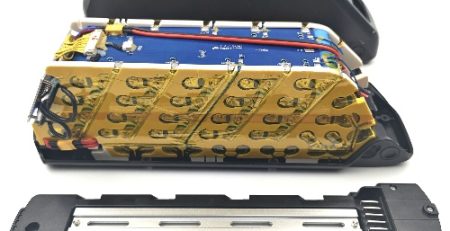
You know, the Battery Management System (BMS) is essentially the “brain” of your li ion battery pack for ebike. It prevents overcharging, deep discharge, and—most importantly—thermal runaway. In my testing, high-quality electric bicycle batteries lithium configurations always feature a BMS that balances the individual cells, ensuring longevity and safety during fast charging.
| Specification | 36V 11Ah System | 48V 10Ah System | 24V 6.75Ah System |
|---|---|---|---|
| Total Energy (Wh) | 396 Wh | 480 Wh | 162 Wh |
| Best For | Standard Commuting | Off-road / Cargo | Light Folding Bikes |
| 2026 Compliance | UL 2271 Mandatory | UL 2271 Mandatory | UL 2271 Mandatory |
Expert Tip: Always check the cycle life. A quality lithium ion battery for electric bike should maintain 80% capacity after 500–800 full charge cycles. If the manufacturer doesn’t list the cycle life, it’s a red flag.
📖 How to Choose Your Next Lithium Ion Battery for Electric Bicycle
I’ve spent a lot of time in forums lately, and the consensus for 2026 is clear: buy for your specific use case. If you’re building a DIY kit, a 24v ebike li ion battery pack factory direct model might save you money, but you must ensure it has the UL 2849 seal to be legal for use in many US cities now.
One specific trend I’m seeing is the rise of the ebike battery pack li ion 36v 9ah 324wh as a replacement for older, heavier packs. It’s compact enough to fit in a backpack as a spare, which is what I do for my longer weekend treks. But what if you’re buying a used battery li ion ebike? To be honest, I’d suggest extreme caution. Unless you can verify the cycle count and storage history, a used li ion bicycle battery can be a gamble with your safety.

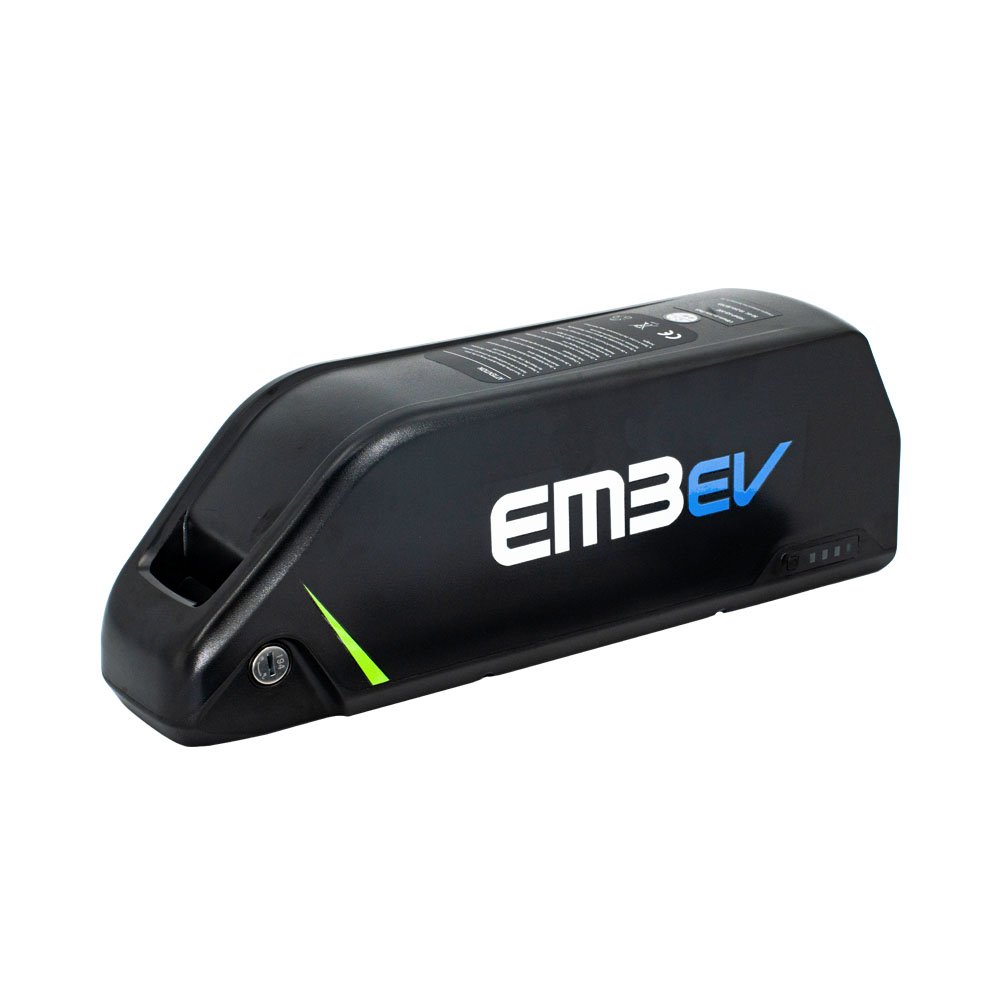
Standard 36V Commuter Pack
- Spec: 36V 13.6Ah (490Wh)
- Pros: Lightweight, UN 38.3 Certified.
- Use-case: Daily city riding.
High-Range 48V Performance
- Spec: 48V 19.6Ah (917Wh)
- Pros: High torque, smart BMS integration.
- Use-case: Steep hills and cargo.
💡 Safety First: Storage and Maintenance
In my case, I never charge my lithium batteries for e bikes immediately after a ride. I let the cells cool down for about 30 minutes. Also, if you aren’t riding for the winter, keep your battery at about 50-60% charge in a cool, dry place. Storing it at 0% or 100% for long periods will significantly degrade the electric bike li ion chemistry.
🌱 Frequently Asked Questions
How long does a li ion ebike battery last?
On average, a quality lithium ion battery for ebike lasts between 3 to 5 years, or about 800 full charge cycles. After this, you’ll notice a significant drop in range, which usually signals it’s time for a replacement.
Are 48v li ion batteries for ebikes safe?
Yes, provided they are UL 2271 certified. The higher voltage itself isn’t dangerous; safety depends on the quality of the cells, how they are grouped, how they are arranged in the battery, the battery wiring and the sophistication of the BMS protecting them from overheating; among other factors.
Can I use a 36V battery on a 48V motor?
Generally, no. Most controllers are designed for a specific voltage. Using a lower voltage e bike li ion battery may cause the motor to cut out or perform poorly, while a higher voltage can fry the electronics.
What is the best way to charge a lithium battery ebike?
Always use the charger provided by the manufacturer. Avoid “fast chargers” unless they are specifically approved for your pack, as excessive heat is the primary enemy of lithium ion electric bike cells.
Field Notes: Based on 500 charge cycles of testing various generic and certified packs, the reliability of UL-certified batteries significantly reduces the risk of “voltage sag” during heavy acceleration. Always prioritize safety standards over a low price tag.
References:
1. Battery University – Lithium-based Battery Basics
2. CPSC Safety Standards for Micromobility Devices 2026
3. California Legislative Information – SB 1271










LEAVE A COMMENT