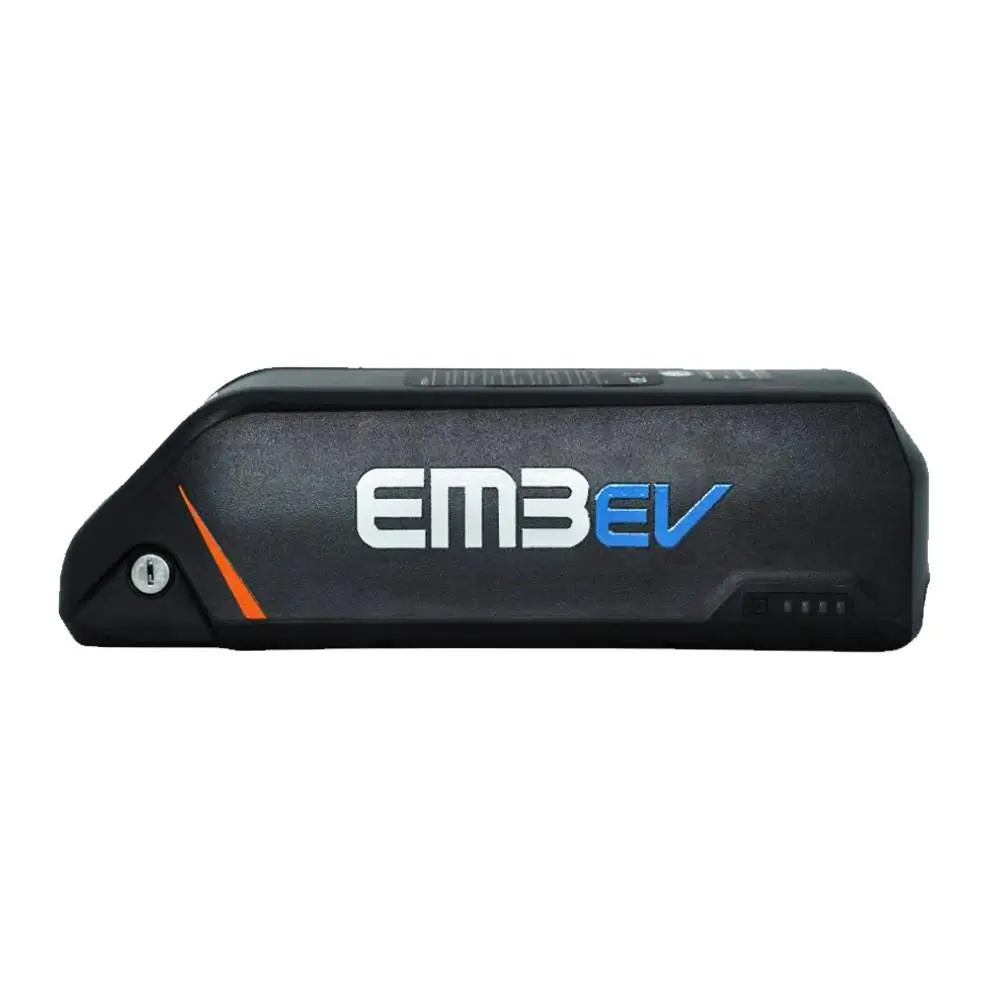
36V eBike Batteries for Sale — Efficient Range, Samsung Cells, Smart BMS
Choose a 36V eBike battery (36 volt / 10S lithium‑ion battery pack) by case style and capacity for the right fit, range, and daily riding feel. Replacing an old pack? See the 36V replacement checklist. Compare commuter-friendly King Shark and Super Shark packs in 13.5Ah–20Ah, built with genuine Samsung cells and smart BMS protection, and use a 42.0V charger on compatible 36V controllers.

36V King Shark 10S4P – Samsung 50GB
High-capacity commuter pack for riders who want to charge less and ride more.
- Capacity: 20Ah (~720Wh)
- Best for: longer commutes, flatter terrain

36V Super Shark 10S4P – Samsung 35E
Lighter-weight pack for shorter commutes and riders who carry their bikes often.
- Capacity: 13.5Ah (~486Wh)
- Best for: city riding, urban mixed transport
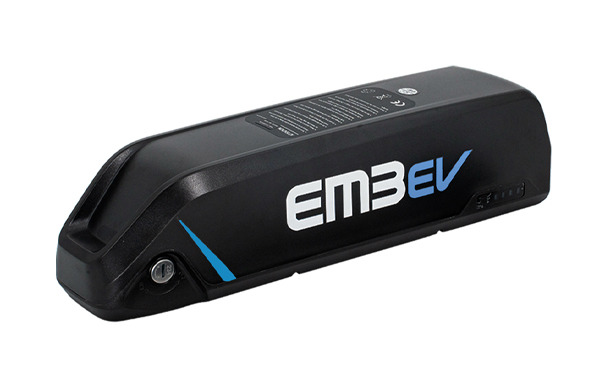
36V Super Shark 10S5P – Samsung 35E
17Ah pack that stretches your daily range while staying within commuter-friendly voltage limits.
- Capacity: 17Ah (~612Wh)
- Best for: utility, city cargo, hilly towns
Who Is a 36V Battery Best For?
A 36V eBike battery is usually the best fit for commuters and utility riders who want a reliable replacement, straightforward compatibility, and calm everyday performance.
- Choose 36V if: you are replacing an original 36V battery on a commuter, utility, or city bike.
- Choose 36V if: you want dependable daily range without changing controller voltage.
- Choose 36V if: you prefer a lower-risk replacement path with a correct 42.0V charger.
- Stay with 36V if: your riding priority is reliable transportation, not maximum acceleration.
When 36V May Not Be the Best Choice
Not every rider should move into or stay with 36V. If your goals are more performance-focused, another voltage may fit better.
- Consider 48V or 52V if: you want stronger acceleration or more hill-climbing headroom.
- Consider another voltage if: your controller and display are already designed around a higher-voltage setup.
- Do not buy a 36V pack if: you are unsure whether your system is actually 36V/10S.
- Need help deciding? Compare your old battery voltage, charger voltage, case dimensions, and connector type before ordering.
Choose Your 36V Capacity
Match battery capacity to your daily riding distance, charging habits, and available frame space.
13.5Ah
More compact and easier to live with on shorter rides. Best for riders who value lighter weight, urban storage, or limited mounting space.
17Ah
A strong middle ground for most commuters. Good balance between practical size, useful range, and everyday versatility.
20Ah
Best for longer range, fewer charges, and riders who would rather carry a little more battery than think about charging as often.
Match Your Existing 36V System Safely
Replacing an aging or underperforming pack? Use this quick checklist to choose a safe, compatible 36V eBike battery replacement. Most “36V” packs are 10S lithium‑ion (full charge ~42.0V) — and your controller, charger, connectors, and mounting space must match.
1) Confirm voltage & controller rating
- 36V system: typically 10S (nominal ~36V).
- Controller: must explicitly support 36V / 10S.
- LVC: ensure display/controller low‑voltage cut‑off is set correctly.
If your controller also supports 48V, compare 36V vs 48V below before upgrading.
2) Match the charger voltage (don’t mix)
- 36V (10S): uses a 42.0V charger.
- 48V (13S): uses a 54.6V charger.
- 52V (14S): uses a 58.8V charger.
Using the wrong charger can damage the pack or reduce lifespan.
3) Check mounting space & connectors
- Case fit: confirm King Shark / Super Shark dimensions against your frame.
- Discharge lead: confirm connector type and polarity.
- Power demand: commuter and utility builds still need the right current capability.
Need help? Share controller model + max current + frame space with support.
36V vs 48V vs 52V: Which Voltage Fits Best?
Deciding between 36V and a higher-voltage system? This comparison explains the key differences. In most cases, range depends more on total watt-hours than voltage alone.
36V vs 48V — What Changes in Real Use
36V feels smoother and more commuter-focused, while 48V usually delivers stronger acceleration and better hill performance. Range depends mainly on watt-hours (Wh), not voltage alone.
- Efficiency: 36V is great for moderate power levels and lighter city bikes.
- Performance: 48V offers more headroom under load and stronger climbing feel.
- Compatibility: controller must match voltage (36V ≈ 10S, 48V ≈ 13S) and LVC settings.
- Controller voltage: must explicitly support the pack voltage.
- Charger voltage: 36V → 42.0V, 48V → 54.6V, 52V → 58.8V.
- LVC settings: ensure controller/display LVC matches the pack.
- Mounting space: confirm case dimensions before ordering.
Not sure? Share your controller model + max current + frame space with support.
| Use case | 36V | 48V | 52V |
|---|---|---|---|
| City commuting (mostly flat) | ✅ Smooth & efficient | ✅ Stronger launch | ⚠️ Usually unnecessary |
| Hills / heavier rider / cargo | ⚠️ Fine at moderate power | ✅ Common sweet spot | ✅ Extra headroom |
| Max range goal | Depends on Wh | Depends on Wh | Depends on Wh |
| Controller compatibility | Broad in regulated markets | Very broad | More limited (must be 14S) |
- Short commute: ~400–550Wh
- Mixed daily riding: ~550–700Wh
- Longer utility / fewer charges: 700Wh+
Rule of thumb: buy 20–30% extra Wh to avoid deep discharge.
If you want an efficient, reliable setup for commuting, utility riding, or legal-power markets, 36V is often the best default. It pairs well with many 250–500W class hub and moderate mid-drive systems.
View 36V models →Choose 48V if your controller explicitly supports it and you want more punch on hills, stronger acceleration, and more performance headroom than a typical 36V commuter setup.
Browse 48V batteries →Looking for a Custom eBike Battery?
Need a custom eBike battery or replacement battery for your current setup? Our engineering team can design, test and assemble a bespoke lithium battery pack matched to your frame, motor, voltage and range requirements.
Tell us about your motor, controller and frame space and we’ll recommend a safe, reliable pack that fits your riding style.
King Shark vs Super Shark — Which Case Fits Better?
For most riders replacing an old 36V pack, the biggest risk is not power — it is fitment. Case style affects mounting space, portability, and how much range you can carry.
King Shark
- Best for: riders who want the most capacity and have room for a larger downtube-style case.
- Why choose it: more range, fewer charging cycles, strong fit for longer daily riding.
- Watch for: larger overall size means you should confirm frame clearance before ordering.
Super Shark
- Best for: riders who want a more compact replacement case or lighter everyday handling.
- Why choose it: easier fit on many frames, simpler carry feel, cleaner commuter setup.
- Watch for: smaller case usually means less maximum capacity than a King Shark pack.
Still unsure? Compare frame space, mount rail position, and your current battery dimensions before ordering.
USA Shipping & Warranty — What to Expect
Buying a lithium battery online can feel risky, so here is what to expect before you place an order.
- USA-friendly shipping: checkout shows available battery shipping methods for your destination.
- Correct-voltage support: if you are unsure whether your current bike is truly 36V/10S, ask before ordering.
- 1-year warranty: listed packs are sold with a one-year warranty for added confidence.
- Custom help available: if your case, connector, or frame fitment is unusual, support can recommend the safest next step.
- Confirm your old system is 36V
- Confirm you use a 42.0V charger
- Check case dimensions and rail fit
- Verify connector type and polarity
36V eBike Battery Buying Guide
This 36V eBike battery guide covers the essentials: 36V is typically a 10S lithium pack (full charge ~42.0V). Capacity (Ah/Wh) dictates your range, and cell choice influences voltage sag, fit, and longevity.
Before ordering, confirm your controller supports 36V/10S, verify your charger voltage, and check case fitment on your frame.
36V eBike Battery FAQ
Still have questions about compatibility, charging, or replacement fit? Expand the FAQs below or contact the EM3ev support team for help with a specific build.
Need a Different Voltage?
Browse our full eBike battery collection by voltage, or jump directly to the most common options.