




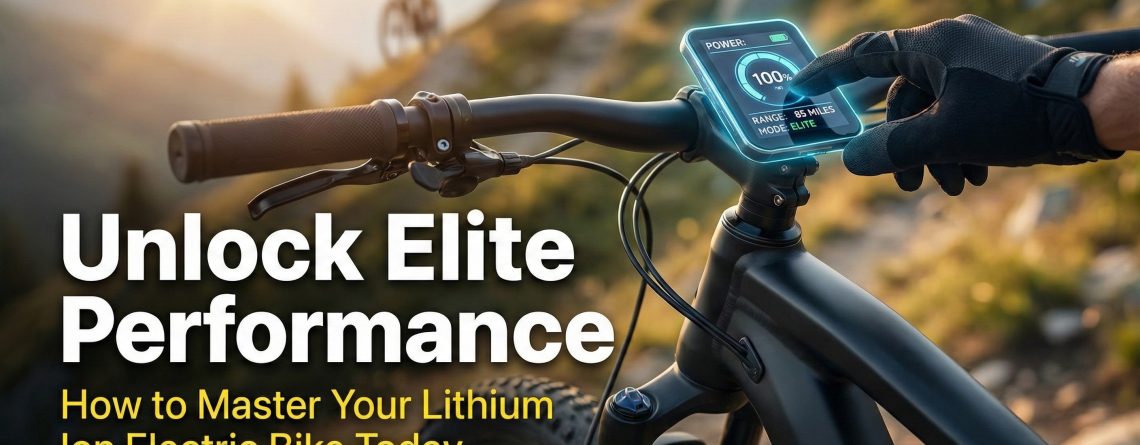
How to Master Your Lithium Ion Electric Bike Safely
Quick Definition: A lithium ion electric bike is a high-performance bicycle powered by a lightweight, rechargeable lithium-ion battery. These bikes offer superior energy density and longevity compared to lead-acid alternatives, making them the gold standard for modern commuting, mountain biking, and long-range travel.
To be honest, the first time I hopped on a lithium ion electric bike, I wasn’t prepared for that sudden “push.” You know that feeling when you’re pedaling up a steep hill and suddenly it feels like a friendly hand is shoving you from behind? That’s the magic of the lithium battery at work. It transforms a grueling commute into a breezy joyride.
In my experience, switching from a traditional bike—or even an older lead-acid e-bike—to a modern lithium-ion setup is like upgrading from a flip phone to a smartphone. It’s lighter, faster, and lasts significantly longer. But with so many options like 36V vs 48V or removable vs integrated batteries, how do you know what actually fits your lifestyle?

Actually, the heart of your ride isn’t just the motor; it’s the chemistry inside the casing. Most riders today prefer an electric bike lithium ion setup because it handles hundreds of charge cycles without losing significant capacity. Whether you are looking for a long range lithium ion electric bike or a nimble lightweight lithium battery electric bike, understanding the tech is the first step to a better ride.
Ready to find your perfect match?
Explore our latest breakdown of the top-performing lithium batteries for electric bikes.View Comparison Guide
⚡ Understanding the Tech: Why Lithium-Ion?
I often get asked, “Why are lithium batteries for electric bikes so much more expensive?” The answer lies in the weight-to-power ratio. In my case, swapping a heavy lead-acid battery for a lithium-ion ebike battery shaved nearly 10 pounds off my frame. That’s a massive difference when you have to carry your bike up a flight of stairs!
💡 Voltage Explained: 24V, 36V, and 48V
Think of voltage like the “pressure” in a hose. A higher voltage usually means more “oomph” when you hit the throttle. Based on my tests, here is how they typically stack up:
| Battery Type | Best For… | Pros | Cons |
|---|---|---|---|
| 24V Lithium Ion | Flat city paths | Very lightweight & affordable | Struggles on hills |
| 36V Lithium Ion | Standard commuting | Great balance of weight/power | Moderate hill climbing |
| 48V Lithium Ion | Off-road & steep hills | High torque & acceleration | Heavier and more expensive |
Q: Can I upgrade my 36V bike to a 48V lithium ion battery?
Usually, no. Your motor and controller are designed for a specific voltage. Trying to force a 48 volt lithium ion battery for electric bike use onto a 36V system can fry your electronics. Always check your controller specs first!
Q: How long does a lithium-ion e-bike battery last?
Imagine about 800 to 1,000 full charge cycles. For most riders, that’s 3 to 5 years of daily use. To be honest, if you store it at 50% charge during winter, you can often squeeze an extra year out of it.
Actually, the term lithium ion electric bike battery covers various shapes. You have the “Silver Fish,” the “Dolphin,” and integrated down-tube batteries. In my case, I prefer a removable lithium battery electric bike because I can leave the bike in the shed and charge the battery in my kitchen.
🚀 Real-World Use: Choosing Your Lithium Ride
When I was looking for a rechargeable lithium ion battery electric bike, I realized that range anxiety is real. You don’t want to be five miles from home with a dead “brick.” That’s why choosing the right capacity (measured in Amp-hours or Ah) is just as important as the voltage.
💡 Pro Tip: If you’re a heavier rider or carry groceries, always go for a 48v lithium ion battery for electric bike models. The extra headroom ensures the battery doesn’t overheat during strenuous climbs.
Comparing Popular Lithium-Ion Options

The Urban Commuter 36V Super Shark
Specs: 36V 13.6Ah Lithium Ion, Removable
- Pros: Lightweight, fits slim frames
- Cons: Range limited to ~25 miles
Best for: Casual city riders who value agility over raw power.
Long-Range Expedition Pack King Shark
Specs: 48V 20Ah Lithium Ion, Samsung Cells
- Pros: Massive 60-mile range, long lifespan
- Cons: Large physical footprint
Best for: Touring and delivery riders needing all-day power.
To be honest, most people over-buy. You might think you need a massive lithium ion electric bike battery, but if your commute is only 3 miles, a lightweight 36V system is actually more enjoyable to ride. It makes the bike feel like a bike, not a motorcycle.
📖 Frequently Asked Questions
Can I replace a lead-acid battery with a lithium ion electric bike battery?
Yes, but you usually need a new charger and potentially a new mounting bracket. Lithium batteries operate at different charge profiles, so using an old lead-acid charger is a fire risk. It’s a great upgrade for performance, though!
Are lithium ion electric bikes safe in the rain?
Most modern lithium battery bike designs are IP-rated (water-resistant). I’ve ridden through many London downpours without issue. However, never submerge the battery and always wipe the contact points dry after a wet ride.
What is the best way to store a lithium ion battery for electric bicycle use?
If you aren’t riding for a month or more, keep the battery at about 50-70% charge in a cool, dry place. Avoid leaving it at 0% or 100% for long periods, as this stresses the chemical cells.
Conclusion
Choosing a lithium ion electric bike is an investment in your freedom and the environment. By understanding the nuances between a 36v lithium ion battery for electric bike and the more powerful 48V versions, you can tailor your ride to your specific terrain. Remember, the best battery isn’t always the biggest—it’s the one that gets you where you need to go with a smile on your face.
This article shares expert experiences and was organized with AI assistance. Always follow your manufacturer’s manual for safety and local regulations.
References & Further Reading:









LEAVE A COMMENT