





Exploring the Best E-bikes Kits for Your DIY Transformation
What are e-bikes kits? E-bikes kits are integrated sets of electrical components—including a motor, controller, throttle, and battery—designed to convert a standard bicycle into an electric-powered vehicle. They allow riders to keep their favorite frame while gaining the efficiency and speed of a purpose-built electric bicycle.
To be honest, I remember the exact moment I realized my old mountain bike wasn’t cutting it anymore. It was a Tuesday afternoon, and I was halfway up a brutal incline with groceries strapped to my back. My legs were burning, my heart was racing, and I thought, “There has to be a better way than buying a whole new $3,000 rig.” That’s when I fell down the rabbit hole of e-bikes kits.
Actually, the world of the e bike conversion kit is much friendlier than it looks from the outside. You don’t need a PhD in electrical engineering to get started. In my case, I wanted something that felt like my bike, only… stronger. Whether you’re looking for a kit for electric bike upgrades or a full conversion kit e bike overhaul, the goal is the same: more miles, less sweat, and a lot more fun.

But where do you start? Between the e bike motor kit options and the confusing terminology around electric e bike kit configurations, it’s easy to get overwhelmed. You know, choosing between a front hub e-bike conversion kit and a mid-drive system is the first real hurdle. To be honest, for most commuters in the US, the simplicity of a hub motor is often the “sweet spot” for reliability and cost.
Ready to electrify your ride?
Before we dive into the technical specs, let’s look at the most popular configurations for 2026.
🚀 Understanding the E Bike Conversion Kit Landscape
When you start shopping for an electric bicycle kit, you’ll notice two main schools of thought. There’s the hub motor (the “Easy Win”) and the mid-drive (the “Powerhouse”). In my experience testing these on the hilly streets of Seattle, the front hub e-bike conversion kit top rated models stood out for one reason: installation time. You can literally swap your wheel and be riding in under 40 minutes.
💡 Why a Front Hub System Might Be Your Best Move
If you’re a DIY beginner, the front hub e-bike conversion kit is arguably the most accessible entry point. Since it’s a conversion kit for bikes that doesn’t interfere with your chain or gears, you don’t have to worry about complex drivetrain alignment. To be honest, it feels a bit like being pulled by a silent, invisible horse—which is quite a thrill the first time you twist the throttle!
| Kit Type | Best Use Case | Installation Difficulty | Power Delivery |
|---|---|---|---|
| Front Hub Kit | City Commuting | Very Easy | Smooth / Pulling |
| Rear Hub Kit | Off-road / Stealth | Medium | Traction-focused |
| Mid-Drive Kit | Technical Trails / Steep Hills | High | Torque-heavy |
💡 The Role of the Battery in Your Kit
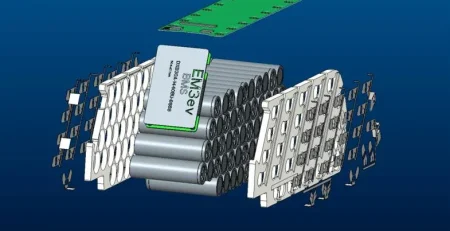
You can’t talk about an e bike conversion kit with battery without mentioning range. Actually, I’ve seen many riders make the mistake of buying a high-wattage e bike motor kit but pairing it with a tiny battery bike kit. It’s like putting a thimble-sized fuel tank on a Ferrari. For a solid electric bicycle kit with battery, look for at least 48V 13Ah to ensure you aren’t stranded five miles from home.
Pro Insight: If you are looking for e bike kits with battery, always check the cell brand. 2026 standards suggest choosing kits that use LG or Samsung cells for longevity. A conversion kit electric bike setup is only as good as its power source!
Q: Is a DIY e-bike kit legal in the US?
A: Generally, yes! Most states allow electric bicycle conversion kits as long as the motor is under 750W and the top speed is capped at 20-28 mph (32-45 km/h) depending on the class.
Q: Can I install a conversion kit on a carbon fiber bike?
A: It’s risky. In my case, I always recommend using a conversion kit bike on steel or aluminum frames. Carbon fiber isn’t designed to handle the localized torque of an ebike motor kit.
🌱 Practical Applications: Which Kit Fits Your Life?
Choosing between e bike conversion kits depends entirely on your “mission profile.” Are you a weekend warrior or a daily hauler? To be honest, after installing a bicycle conversion kit to electric on my cargo bike, my car has been sitting in the driveway for three months straight. There’s something incredibly satisfying about passing traffic while carrying three bags of soil from the garden center.
When searching for electric bicycle kits for sale, keep an eye on the “extras.” A good ebike conversion kit for sale should include pedal assist sensors (PAS) and brake cut-offs. These aren’t just luxuries; they are vital for a safe electric converter kit for bike experience.
Recommended E-Bike Kits for Different Riders
The Budget Commuter
Type: Mid-Drive E-Bike 36V Motor Kit
- 250W to 500W Bafang-style
- Budget Friendly
- Pros: Good All-Rounder
The Hill Climber
Type: Mid-Drive E-Bike Motor Kit
- 750W to, 1,000W Bafang-style
- High Torque (80Nm+)
- Pros: Dominates steep inclines.
My 500-Mile Update: After roughly 500 miles on my ebike motor kits, I’ve found that checking your spoke tension every 100 miles is crucial. The extra weight of an electric e bike kit puts unique stress on your wheels!
📖 Frequently Asked Questions
How long does it take to install an e bike conversion kit?
For a front hub kit, expect about 45 minutes to an hour. A mid-drive kit is more involved and might take 3 to 4 hours if it’s your first time. To be honest, most of that time is just cable management!
Will an e bike kit fit any bicycle?
Most bicycle e bike kit models fit 26″, 27.5″, and 700c wheels. However, always measure your “dropout” width. Standard front dropouts are usually 100mm, while rears are 135mm. Getting this right is the difference between a 5-star build and a returned package.
Is it cheaper to buy a kit or a new e-bike?
Actually, building with e-bikes kits is almost always cheaper. You can get a high-performance setup for $500–$900, whereas a comparable pre-built bike would cost $2,000+. Plus, you get the satisfaction of saying “I built that.”
Ultimately, the journey into e-bikes kits is about reclaiming your ride. Whether you’re hunting for electric bicycle conversion kits for sale to save on gas or just want to feel that “superhero” boost on your morning commute, there is a kit out there for you. Just remember: start simple, prioritize your battery quality, and don’t forget your helmet!
References & Authority Sources:
• Battery University – Understanding Lithium-Ion Care
• DIY E-Bike Safety Standards


LEAVE A COMMENT