





The Ultimate E-Bike Kit Guide: Transforming Your Ride with Precision
What is an e-bike kit? An e-bike kit is a curated set of components—including a motor, controller, throttle, and often a battery—designed to convert a standard bicycle into an electric-powered vehicle. By installing an electric bike conversion kit, riders gain motorized assistance while preserving the frame and feel of their original bike.
I still remember the first time I tried to climb “The Wall”—a 12% grade hill near my house—on my old Trek mountain bike. Halfway up, my lungs were screaming and my knees felt like they were made of glass. That was the day I started looking into an e-bike kit. To be honest, I didn’t want to drop $4,000 on a brand-new electric bike when I already had a frame I loved. I just needed a little more “oomph.”
Actually, choosing an electric bike kit is about more than just speed; it’s about reclaiming your commute. Whether you are looking for an ebike kit to save on gas or a specialized electric bicycle kit to keep up with faster riders, the market has exploded with options. But here’s the catch: not every kit fits every bike. You know, you have to consider wheel size, bottom bracket width, and torque requirements before you even pick up a wrench.

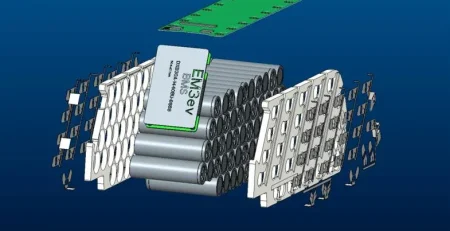
Visualizing the anatomy of a standard e-bike conversion kit.
Ready to upgrade your commute?
Before you buy, make sure your frame is compatible with modern motor standards.
💡 Why the “DIY” route beats buying a pre-built e-bike
In my case, the decision came down to customization. When you buy a pre-built bike, you’re stuck with their battery geometry and motor limits. By selecting your own electric bike kits, you control the battery capacity and the wattage. Want a 1000w e bike kit with battery for off-road trails? You can build it. Prefer a stealthy e-bike conversion kit for city stealth? That’s an option too.
🚀 Hub Motors vs. Mid-Drive: The Great Conversion Debate
If you’ve spent any time on forums like Endless Sphere, you know that the “hub vs. mid-drive” debate is practically a religion. To be honest, there is no single “best” answer—it depends entirely on how you plan to ride. When I installed my first mid drive e bike conversion kit, I was blown away by the torque. Because a mid-drive motor uses your bike’s gears, it’s an absolute beast on hills.
On the other hand, a front hub e-bike conversion kit top rated for reliability is much easier to install. You basically just swap the wheel and plug it in. It’s perfect for flat city commutes where you don’t need complex gear shifting. You know, it’s about simplicity versus performance.
Comparison: Choosing Your Motor Type
| Feature | Hub Motor (Front/Rear) | Mid-Drive Motor |
|---|---|---|
| Installation Difficulty | Low – Simple wheel swap | Medium/High – Requires BB removal |
| Hill Climbing | Moderate – Fixed ratio | Excellent – Uses bike gears |
| Stealth Factor | High – Looks like a hub | Low – Visible motor at pedals |
| Maintenance | Very Low | Moderate – More chain wear |
💡 Pro Tip from the Field
If you’re building a 20 inch e bike kit for a folding bike, stick to a hub motor. Mid-drives can often interfere with the folding hinge mechanism, which I learned the hard way after three hours of frustrated tinkering!
📖 Common Questions During the Build
Is a 1000w motor overkill for city riding?
To be honest, yes. In many regions, a 750w limit is the legal cap for street use. A 1000w e bike kit is fantastic for private land or steep mountain trails, but you might attract the wrong kind of attention on city bike paths.
Can I use my existing battery?
Only if the voltage matches. If you buy an e-bike conversion kit with battery included, the controller is already tuned for that specific voltage. Mixing a 36V battery with a 48V controller is a recipe for a very expensive paperweight.
“The beauty of a conversion is that you aren’t just a consumer; you’re the lead engineer of your own transportation.” —
📖 The Buyer’s Guide: What to Look for in an Electric Bicycle Conversion Kit
Before you click “buy,” we need to talk about compatibility. I’ve seen too many riders buy a bicycle e bike kit only to realize their dropouts aren’t wide enough. Most electric bicycle conversion kits require a 100mm front dropout or 135mm rear dropout. If you have a vintage steel frame, you might have some wiggle room, but modern carbon frames are much less forgiving.
Actually, the most overlooked component is the torque arm. If you’re installing a high-wattage e bike motor kit, the force can literally spin the axle right out of your fork. In my case, adding a $20 torque arm saved me from a potential front-wheel collapse at 20 mph. Safety isn’t where you want to save a few pennies.
Selected Configuration Options
The Commuter’s Choice
Type: 36V Middle Motor
Ideal for: Flat city streets and 700c wheels.
- Easy 20-minute install
- Reliable 250W-500W output
- Use case: Perfect for transforming a hybrid bike into a daily workhorse.
The Hill Crusher
Type: Mid-Drive Kit
Ideal for: 26″ or 29″ mountain bikes.
- High torque for 15%+ grades
- Balanced center of gravity
- Use case: Best for cargo bikes or off-road enthusiasts.
⚡ Understanding Wattage and Range
A cheap e bike conversion kit might claim “all-day range,” but you have to look at the Watt-hours (Wh). To calculate this, multiply Voltage by Amp-hours (V x Ah). For a standard commute, aim for at least 500Wh. If you’re pushing a 1000w motor, you’ll want even more to avoid “range anxiety” halfway home.
🌱 Closing Thoughts & Expert FAQs
At the end of the day, building an e bike engine kit is a rewarding project that bridges the gap between cycling and sustainable transport. To be honest, your first build won’t be perfect. You’ll likely have to zip-tie a few stray wires or adjust your brake sensors twice. But the first time you twist that throttle and feel the motor kick in? It’s pure magic.
Frequently Asked Questions
How long does it take to install an e-bike kit?
For a hub motor, expect about 1 to 2 hours. A mid drive e bike conversion kit takes longer—usually 3 to 5 hours—since you have to remove the bottom bracket and potentially tune the chain line.
Are conversion kits legal on bike paths?
In the US, most states follow the “Three-Class” system. As long as your electric bike kit is limited to 20 mph (Class 1 or 2) and 750W, you are generally treated like a standard bicycle. Always check local municipal codes before riding.
Can I install a kit on a carbon fiber bike?
I generally advise against it. The dropouts and bottom bracket areas of carbon frames aren’t designed to handle the localized twisting force (torque) of an electric motor. Stick to aluminum or steel for your first ebike kits project.
References:
- Electric Bike Review – Kit Comparison Data
- Battery University – Lithium-ion Safety Protocols
- Endless Sphere – Community Build Logs
This article shares expert experiences and was organized with AI assistance. Always follow manufacturer manuals and local regulations.


LEAVE A COMMENT