




How to Prevent Lithium Battery Fire in eBike Battery Packs
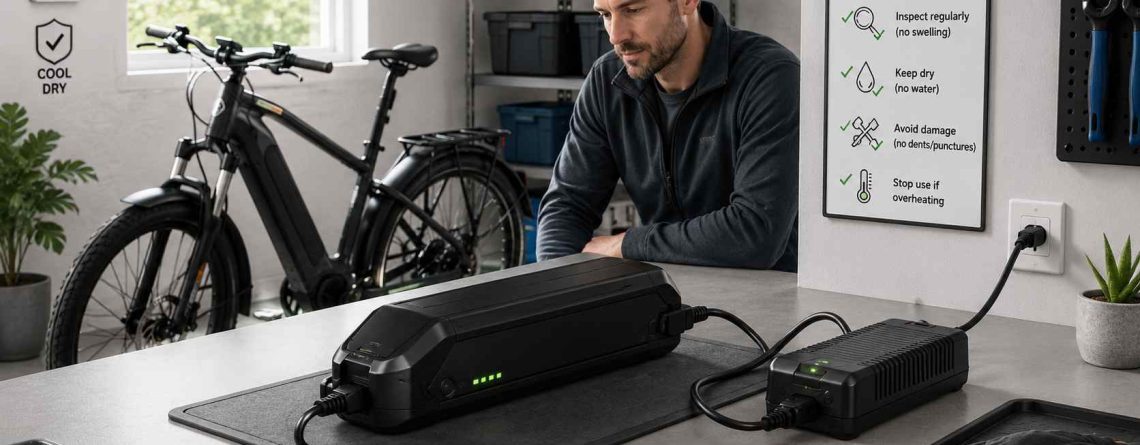
How to prevent lithium battery fire in eBike battery packs relies on strict charging protocols, safe storage environments, active BMS protection, and physical damage control. Always using a matched charger and routinely inspecting the pack prevents thermal runaway, the primary cause of battery fires.
- Buy certified eBike battery packs with a verified smart BMS.
- Always use the correct charger from the original manufacturer.
- Monitor your charging. Never charge a pack overnight or unattended.
- Store batteries in cool, dry areas away from main exit routes.
- Stop using any pack that swells, smells odd, or drops range fast.
To be honest, most riders do not think about battery safety until it is too late. In my case, a friend was charging his eBike pack inside his home office. He suddenly smelt a sweet, odd chemical odor. He walked over and felt the plastic case. It was burning hot. He realized he was using a cheap, unbranded replacement charger he bought online. He took it outside fast. That quick choice saved his home.
High-capacity battery packs need real respect. Knowing how to prevent lithium battery fire in eBike battery packs keeps you safe. Good charging habits can remove almost all major risks easily.

Unsure about your battery health?
Talk to a certified professional before your next charge cycle.
What Causes eBike Lithium Batteries to Catch Fire
Most eBike battery fires occur due to charger mismatches, physical damage, water entry, bad factory cells, or sudden BMS shorts that trigger thermal runaway.
Fires start when a cell shorts internally. This creates a fast buildup of extreme heat. We call this process thermal runaway.
1. Charger Mismatch
Cheap chargers can push too much voltage into cells. This hurts the inner cell layers and causes overcharging.
2. Impact and Drops
Crashing or dropping your eBike can crack the cell casing. This leads to hidden internal shorts that show up later.
3. Water and Corrosion
Heavy rain or pressure washes force water past battery seals. Moisture rusts connections and causes electrical arcs.
eBike Battery Fire Prevention Checklist
True battery safety comes down to using the right gear, regular inspection, safe storage, and ditching damaged packs immediately.
- Use correct chargers: Match the voltage perfectly every time.
- Pick hard surfaces: Charge on concrete or tile, not carpets.
- Clear the exits: Do not charge packs near main exit doors.
- Watch for swelling: If the case looks bloated, stop using it.
- Avoid DIY fixes: Never open a broken pack yourself.
Charging vs Storage vs Riding Risk
Charging poses the highest electrical risks, storage brings delayed heat risks, and riding adds mechanical shock and water threats.
| Situation | Main Risk | Safer Action |
|---|---|---|
| Charging | Overheating, voltage spikes | Use correct charger; monitor heat |
| Indoor Storage | Delayed cell breakdown | Keep away from sleeping areas |
| Riding in Rain | Water entry and corrosion | Dry the case well after wet rides |
| After a Crash | Hidden internal cell cracks | Isolate the pack; look for dents |

Experience Validation Workflow
Use this simple routine to check your pack safety:
- Check battery age, system voltage, and charger labels.
- Look closely at the plastic box, cables, and charging port.
- Review history for recent hard drops or exposure to water.
- Watch the pack for the first ten minutes of a new charge.
- Stop using the unit immediately if you find any damage.
What to Do If an eBike Battery Starts Smoking
If a pack smokes or catches fire, clear the room instantly, warn others, call emergency help, and never handle the hot pack.
Toxic smoke is highly dangerous. Standard home extinguishers do not cool down internal battery chemical fires well. Fire teams must use deep water to cool the core. If the pack is just warm, unplug the wire from the wall safely and move the bike outdoors if possible.

Safer eBike Battery Replacement Decisions
When buying a new pack, prioritize matching system specs, smart BMS builds, robust enclosures, and premium cell sourcing.
Rule of Thumb: Replace your pack if it takes physical damage, handles water poorly, or gets too hot to hold. Keep using it only if the outer case is clear of dents and it runs perfectly with your matched motor system.
Need a Safe Replacement Pack?
Do not risk a generic battery pack fix. For smart BMS builds and certified safe energy engineering, view the EM3ev eBike battery replacement selections to power your ride safely.
Frequently Asked Questions
Can an eBike lithium battery catch fire when not in use?
Yes. Internal damage from an old drop or bad water entry can create a slow, delayed short circuit. This can spark thermal runaway days after riding.
Why do eBike lithium batteries catch fire?
Fires usually stem from deep physical hits, mismatched charging gear, water entry rust, or low-grade cells shorting inside the pack architecture.
Is it safe to charge an eBike battery indoors?
It is safe if you use the factory charger on hard, clean surfaces. Never leave it charging alone while you sleep or go out.
How should I store an eBike lithium battery safely?
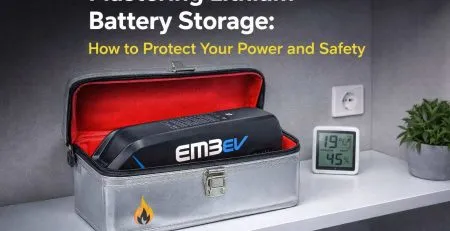
Follow standard storage guidelines. Store the battery at roughly half charge. Place it in a cool, dry room away from primary exit points.
What fire extinguisher is suitable for eBike lithium batteries?
According to the National Fire Protection Association (NFPA), common ABC dry chemical tools can stop nearby flames but will not cool down the cell core. Large volumes of water are needed to halt thermal runaway.
Conclusion
Preventing lithium battery fires comes down to safe habits. Use the right charger, check the case for dents, and store packs carefully. If your battery acts up, replace it through certified specialists to stay safe on the road.




LEAVE A COMMENT