




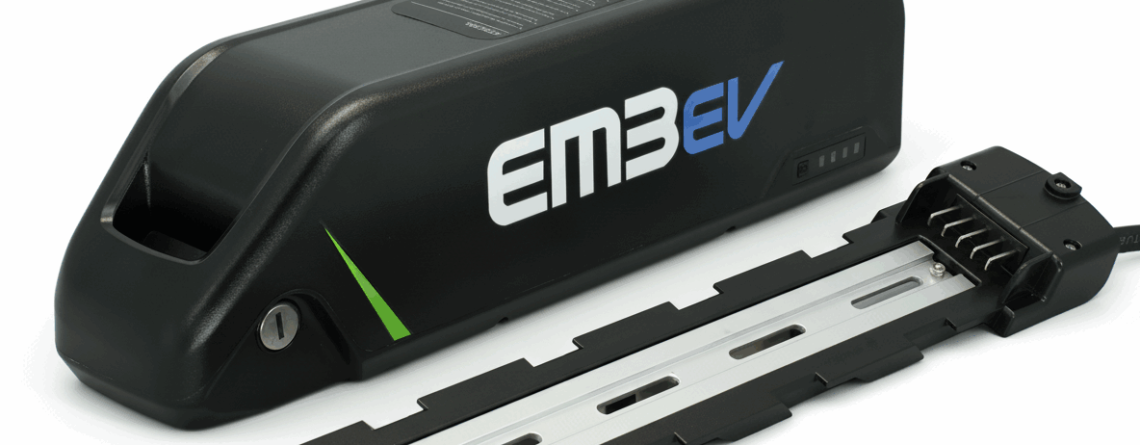
Unlock Your E-Bike’s True Power With a Replacement Battery
An electric bike’s battery is the powerhouse of your ride, but its performance naturally declines. Finding the right replacement battery for electric bike models is crucial to restore your bike’s original range and power. Knowing when and how to replace it ensures a smooth, efficient, and enjoyable riding experience for years to come.
🌱 When Should You Replace an E-Bike Battery?
An e-bike battery won’t last forever; most lithium-ion batteries have a lifespan of 3 to 5 years or 500 to 1,000 charge cycles. Over time, you’ll notice signs of degradation that indicate it’s time for a replacement. Ignoring these signs can lead to frustrating rides and potential safety issues. Recognizing them early is key to maintaining your bike’s performance.
Here are the most common signs that your e-bike battery needs replacement:
- Significantly Reduced Range: This is often the first and most obvious sign. If a full charge used to get you 40 miles, but now you’re barely hitting 20, the battery’s capacity has likely diminished.
- Longer Charging Times: A battery that takes much longer to reach a full charge than it used to is a clear red flag. This indicates the cells are struggling to absorb and store energy efficiently.
- Sudden Power Drops: If the motor cuts out unexpectedly during your ride, especially under load or on flat terrain, the battery may no longer be able to deliver a consistent voltage.
- Physical Damage or Swelling: Any visible cracks, dents, or bulging in the battery case is a serious safety concern. A swollen battery is often the result of internal cell damage and should be discontinued from use immediately.
- Battery Indicator Errors: If your display shows erratic readings, such as jumping from full to empty quickly, or if you receive battery-related error codes, it’s a strong signal of a malfunctioning battery or Battery Management System (BMS).

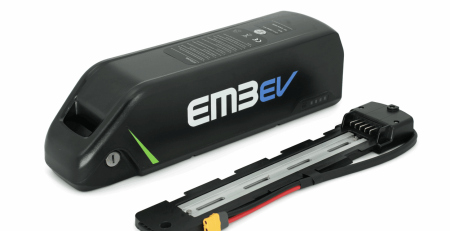
A typical ebike battery replacement kit, including the new battery pack and necessary connectors.
Is Your E-Bike Underperforming?
A new battery can completely revitalize your electric bike, restoring its original power and range. Learn more about your options in our Replacement Batteries Hub.
⚡ DIY vs. Professional Replacement
Once you’ve determined a replacement is needed, the next decision is whether to do it yourself (DIY) or hire a professional. This choice hinges on your technical comfort, the tools you have, and your priorities regarding cost, safety, and warranty.
- DIY Replacement: For many e-bikes with externally mounted batteries, the swap is straightforward: unlock the old battery, slide it out, and slide the new one in. However, for integrated batteries or if wiring modifications are needed, the task becomes more complex. DIY can save on labor costs but requires careful handling of lithium-ion batteries, which can be hazardous if damaged. Performing the replacement yourself may also void your bike’s warranty.
- Professional Replacement: Taking your bike to a certified technician ensures the job is done safely and correctly. Professionals have the right tools and can diagnose any related issues with your bike’s electrical system. This is the recommended route for complex installations or if you are unsure about the process. Labor costs typically range from $30 to $150, but it provides peace of mind and preserves your warranty.
💡 Choosing the Right Voltage (36V / 48V / 52V)
Voltage (V) is a key factor in your e-bike’s power and performance. While you should generally stick to your bike’s original voltage, understanding the differences is crucial if you’re considering an upgrade. A higher voltage allows more power to be delivered to the motor, resulting in better acceleration and hill-climbing ability.
| Voltage | Ideal Use Case | Performance Characteristics |
|---|---|---|
| 36V | Casual city riding, flat terrain, lightweight commuters. | Sufficient for basic needs, most affordable, but can feel underpowered on steep hills. |
| 48V | All-around commuting, moderate hills, versatile performance. | The industry standard, offering a great balance of power, range, and cost. |
| 52V | Performance enthusiasts, steep terrain, heavy loads, and off-road riding. | Noticeable boost in torque and acceleration over 48V systems for demanding situations. |
Note: Upgrading voltage (e.g., from 48V to 52V) is possible on some e-bikes but requires ensuring your motor and controller are compatible to avoid damage. Always consult your manufacturer’s specifications before attempting an upgrade.
🚀 Top Replacement Battery Brands
When selecting a replacement battery, brand reputation is paramount for safety, reliability, and performance. While some bike manufacturers require you to use their proprietary batteries, others are compatible with third-party options. High-quality batteries use premium cells from trusted makers like Samsung, Panasonic, and LG Chem.

EM3ev 48V 21700 King Shark Ebike Battery
Pros: Excellent build quality, high-capacity choices, great for upgrades.
Cons: Requires more technical knowledge for compatibility.
Use-Case: High-performance upgrades and custom builds.
EM3ev 52V Jumbo Shark E-Bike Battery
Pros: High-capacity 52V pack, ideal for upgrades and custom builds.
Cons: Requires full system and controller compatibility checks.
Use-Case: 52V conversion builds and compatible battery replacements.
EM3ev 52V Jumbo Shark E-Bike Battery
Best for: Conversion builds and battery replacements where the complete eBike system is confirmed to support a 52V battery.
Before ordering: Check the controller and all connected electronics for compatibility with the battery’s full-charge voltage. Match the battery’s current rating, connector polarity, mounting dimensions, and charger to your setup.
Compatibility note: Do not treat this pack as a direct replacement for a Bosch battery. For a Bosch-equipped eBike, choose a replacement approved for your exact Bosch system.
View Jumbo Shark Specifications
📖 Step-by-Step: How to Replace an E-Bike Battery Safely
For most external batteries, the process is simple and requires minimal tools. The following steps apply to the common frame-mounted battery style.
- Power Off the E-Bike: Ensure the entire system is turned off to prevent any electrical shorts.
- Gather Your Tools: You will typically need the key for the battery lock and perhaps a screwdriver or Allen key set, depending on the mount. A clean, dry cloth is also useful.
- Unlock and Remove the Old Battery: Use the key to unlock the battery from the frame. Firmly slide or pivot the old battery out of its housing.
- Inspect and Clean Connectors: Before installing the new battery, wipe the battery mount and electrical contacts with a dry cloth to ensure a clean connection.
- Install the New Battery: Align the new battery with the grooves on the mounting cradle. Slide it into place until you hear a “click,” confirming it’s seated correctly.
- Lock and Test: Lock the new battery to the frame with the key. Power on your e-bike to ensure everything is functioning correctly before your first ride.
Safety Disclaimer: Performing battery replacement involves risk. Lithium-ion batteries can be hazardous if mishandled. Always follow manufacturer guidelines and consult a professional if you are uncertain about any step. Dispose of old batteries responsibly at a designated e-waste or recycling center.
💸 Cost & Lifespan: Is Replacement Worth It?
Replacing an e-bike battery can be a significant expense, with costs typically ranging from $300 to over $900. The price depends heavily on the battery’s brand, capacity (Wh), and whether it’s an original equipment manufacturer (OEM) part. While the upfront cost is high, it is almost always more cost-effective than purchasing an entirely new e-bike, especially if the rest of your bike is in good condition.
| Option | Typical Cost Range | Best For |
|---|---|---|
| Battery Replacement | $400 – $900+ | Most riders with a bike that is mechanically sound but has poor range. |
| Battery Repair/Rebuild | $150 – $400 | Minor issues or when an exact replacement is unavailable. Less common. |
| New E-Bike Purchase | $1,000 – $5,000+ | When the bike is very old, has multiple mechanical issues, or technology has significantly advanced. |
🤔 Frequently Asked Questions (FAQs)
How do I know if my e-bike battery needs replacement?
The key signs are a major drop in your riding range, the battery taking much longer to charge, sudden power cutoffs, or any physical swelling or damage to the battery case. If your bike consistently underperforms on a full charge, it’s time to consider a replacement.
Can I upgrade from a 48V to a 52V battery?
Sometimes, yes. Many 48V controllers can handle the slightly higher voltage of a fully charged 52V battery. However, you MUST verify that your bike’s controller and motor are rated to handle the increase in voltage to avoid permanent damage. It is a popular upgrade for riders seeking more power but should be done with caution.
How long do replacement e-bike batteries last?
A quality replacement lithium-ion battery should last between 3 to 5 years, or 500-1,000 charge cycles, similar to the original battery. Lifespan depends on factors like charging habits, storage conditions, and the quality of the battery cells.
✅ Final Thoughts & Next Steps
Replacing the battery in your electric bike is one of the best ways to restore its performance and extend its useful life. By understanding the warning signs, choosing the right voltage and brand, and following safe installation practices, you can ensure many more miles of enjoyable riding. A new battery is a significant investment, but one that brings your e-bike back to its peak potential.
Explore EM3ev’s premium replacement batteries for safer, longer rides.
Ready to upgrade? Check out high-performance options that can deliver the power and reliability you need for your next adventure.
References:
- Internal Link: Ebike Battery Upgrade Guide
- External Link: Battery University – A trusted resource on battery technology.



LEAVE A COMMENT