





The Ultimate Guide to The E-Bike Thumb Throttle
🤔 What is a Thumb Throttle and Why Is It So Popular?
Welcome to the world of electric bikes, where innovation meets convenience. One of the most critical components influencing your riding experience is the throttle. Specifically, the thumb throttle has become a fan favorite for its ergonomic design and precise control. At its core, an e-bike thumb throttle is a small lever, mounted on the handlebar, that you push with your thumb to activate the motor and control your speed. Unlike pedal-assist systems (PAS), which require you to pedal to get a boost, a throttle provides power on demand, whether you’re pedaling or not.
This simple yet effective mechanism is a game-changer for many riders. It allows for quick bursts of speed to navigate traffic, offers a helping hand when starting from a standstill on a steep hill, and provides a way to cruise effortlessly without pedaling—perfect for those leisurely rides or when you need a break. The rising popularity of the electric bicycle thumb throttle is tied directly to this blend of intuitive control and practical utility, making it a staple on many modern e-bikes.

⚙️ How Does a Thumb Throttle Work?
The magic behind the thumb throttle for an electric bike lies in its use of a Hall effect sensor. This is a sophisticated sensor that detects the presence and magnitude of a magnetic field. Inside the throttle housing, a small magnet is attached to the lever mechanism. As you press the lever with your thumb, the magnet moves closer to the Hall effect sensor. The sensor measures this change in proximity and magnetic intensity, translating it into a variable voltage signal that it sends to the e-bike’s controller.
The controller, which acts as the e-bike’s brain, interprets this signal. A low voltage signal (when the throttle is untouched) means no power, while a higher voltage signal (when you press it further) tells the motor to deliver more power. This seamless process allows for smooth and proportional acceleration. The further you push, the faster you go. This intuitive feedback loop is what makes the e bike thumb throttle a superior choice for riders who demand granular control over their speed.
Key Takeaway: Control at Your Fingertip
A thumb throttle uses a Hall effect sensor to provide variable, on-demand power to your e-bike’s motor. This allows for precise speed modulation, independent of pedaling, giving you full control over your ride from a complete stop to top speed.
🆚 Thumb Throttle vs. Other E-Bike Throttles
While the thumb throttle is incredibly popular, it’s not the only option available. Understanding the differences can help you choose the right setup for your riding style. The main alternatives are twist throttles and button throttles. Each has its own set of advantages and disadvantages.
The ebike thumb throttle is praised for its ergonomics, as it allows you to maintain a firm grip on the handlebars while modulating speed. This is especially important for maintaining stability on uneven terrain, making it a common choice for electric mountain bikes and some mini bike thumb throttle conversions.
| Throttle Type | How It Works | Pros | Cons |
|---|---|---|---|
| Thumb Throttle | A lever pressed by the thumb. | – Excellent for precise control – Allows a full, secure grip – Less wrist fatigue on long rides | – Can cause thumb fatigue for some users – Requires specific handlebar placement |
| Twist Throttle | A grip that you twist, similar to a motorcycle. | – Familiar for those with motorcycle experience – Intuitive twisting motion | – Can lead to wrist strain – May be accidentally engaged – Compromises grip stability |
| Button Throttle | A simple push-button. | – Simple on/off operation – Compact design | – Typically not variable (all or nothing power) – Lacks fine speed control |
Find the Perfect Throttle for Your Ride
Explore our curated collection of high-performance thumb throttles and accessories compatible with major e-bike brands.
🛒 Top-Rated Thumb Throttle Models
Choosing the right electric bike thumb throttle depends on your bike’s voltage, connector type, and your personal preferences. Here are two popular models that balance performance, reliability, and ease of installation.

Universal Thumb Throttle
A versatile and durable option designed to withstand the elements. Features a universal connector system for broad compatibility.
- Compatibility: 24V, 36V, 48V, 60V, 72V systems
- Connector: 3-pin waterproof (Higo)
- Pros: Excellent waterproofing, robust build, easy installation.
- Best for: All-weather commuters and off-road enthusiasts.
- Price: $10
Low-Profile Ergonomic Thumb Throttle
Designed for comfort and a clean handlebar setup. Its slim profile makes it ideal for bikes with crowded handlebars (e.g., shifters, brake levers, and bells).
- Compatibility: 36V, 48V systems
- Connector: 3-pin Higo
- Pros: Minimalist design, reduces thumb fatigue, lightweight.
- Best for: Urban riders and long-distance tourers.
- Price: $13
🔧 Installation and Compatibility Guide
Installing or replacing an e bike thumb throttle is a straightforward task for most DIY enthusiasts. However, ensuring compatibility is the most crucial step to prevent damage to your e-bike’s electrical system. Before you begin, you must verify three key things: voltage, connector type, and controller support.
First, always disconnect your battery. The installation process typically involves unplugging the old throttle (if any), unscrewing it from the handlebar, and sliding it off. You’ll then mount the new thumb throttle in a comfortable position, ensuring it doesn’t interfere with your brake levers or shifters. The final step is connecting it to the controller. This is where compatibility becomes critical. The wiring must match—typically red for live (+5V), black for ground, and a third color (often white, green, or blue) for the signal wire.
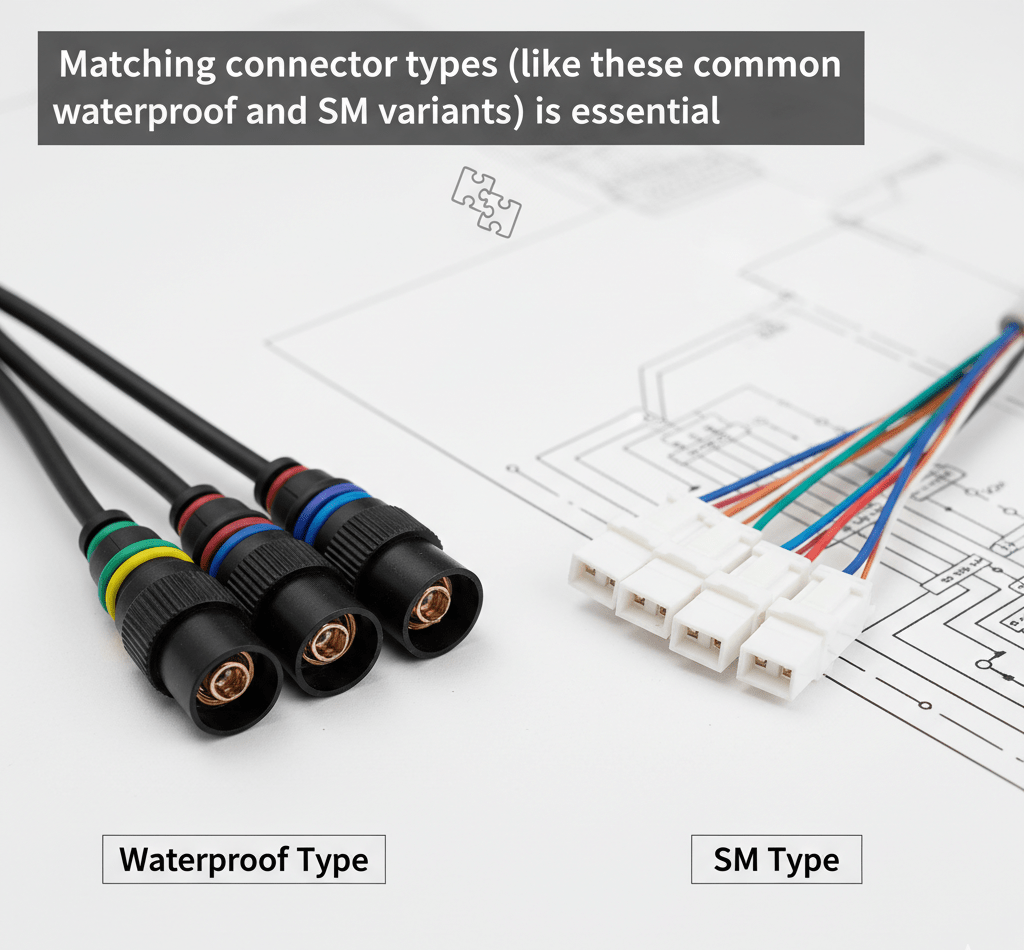
E-bike components use various connectors, with 3-pin Julet (waterproof) and SM (non-waterproof) plugs being the most common for throttles. If your new throttle’s connector doesn’t match your bike’s, you’ll need an adapter or have to splice the wires, which should only be done by experienced technicians. Mismatched wiring can lead to a short circuit, potentially frying your controller.
Compatibility Check: Voltage & Connectors
Always verify your e-bike’s system voltage (e.g., 36V, 48V) and controller connector type before purchasing a new electric bicycle thumb throttle. Most throttles are rated for a range of voltages, but the controller’s plug is non-negotiable. An incorrect match can lead to component failure. Check your e-bike’s manual or contact the manufacturer if you’re unsure.
🔋 Impact on Battery Life and Range
A common question from riders is how using a thumb throttle ebike setup affects battery consumption. The answer is simple: using the throttle will consume more power than using a pedal-assist system (PAS) at a comparable level. PAS supplements your pedaling effort, meaning the motor and rider share the workload. In contrast, the throttle-only mode places 100% of the demand on the motor and battery.
Think of it like driving a car. Aggressive acceleration and maintaining high speeds solely with the throttle will drain your battery much faster than gentle, gradual power application or allowing the PAS to do most of the work. For maximum range, the best approach is a hybrid one: use the pedal-assist as your primary mode and reserve the thumb throttle for electric bike for initial takeoffs, short power boosts on hills, or for cruising when you need a rest. Feathering the throttle rather than pushing it to the maximum will also significantly extend your riding distance.
Methodology & How We Test
Our performance insights are derived from a combination of controlled bench tests and real-world riding scenarios. We measure power draw using lab-grade equipment under simulated loads. Range estimates are based on a 175 lb rider on mixed terrain with standardized start-stop cycles to reflect real-world usage patterns, ensuring our recommendations are practical and reliable.
🛡️ Safety and Legal Considerations
While an electric bike thumb throttle adds incredible convenience, it also comes with responsibilities. From a safety perspective, always apply power gradually to avoid unexpected jolts, especially on powerful e-bikes. Sudden acceleration can cause the front wheel to lift or lose traction, particularly on loose surfaces. It’s also vital to be able to grip your handlebars and access your brake levers securely at all times.
Legally, the regulations for throttles vary by region. In the United States, e-bikes are often categorized into classes:
- Class 1: Pedal-assist only, with a top speed of 20 mph. Throttles are not permitted.
- Class 2: Equipped with a throttle, with a top motor-powered speed of 20 mph.
- Class 3: Pedal-assist only, with a top speed of 28 mph. Throttles are generally not permitted.
Many jurisdictions in Europe have stricter rules, often prohibiting throttles on e-bikes that are to be used on public roads without registration and insurance. Always check your local laws to ensure your ebike thumb throttle is compliant.
Safety and Disclaimer Note
Always prioritize safety. Read your e-bike and component manuals thoroughly before installation and use. Adhere to all local, state, and national regulations regarding e-bike speed and equipment. Improper installation or misuse can lead to serious injury or damage to your equipment. When in doubt, consult a professional bicycle mechanic.
⚙️ Specialized Thumb Throttle Options
Beyond the universal models, some throttles are designed for specific applications, from compact mini bikes to high-performance electric motorcycles.
Left-Hand Mount Thumb Throttle
An ergonomic solution for riders who prefer to control the throttle with their left thumb, freeing up the right hand for complex gear shifters (e.g., twist shifters).
- Compatibility: 36V, 48V, 52V
- Connector: Waterproof 3-pin Higo
- Pros: Ideal for specific handlebar setups, improves right-hand dexterity for shifting.
- Best for: E-bikes with twist shifters or crowded right-hand controls.
- Price: $13
🧼 Maintenance and Longevity Tips
A high-quality thumb throttle is a durable component, but a little maintenance can significantly extend its lifespan and ensure reliable performance. The main enemies of any electronic component on your e-bike are water, dust, and physical damage. Keeping your throttle clean is the first step. After a muddy or dusty ride, wipe the housing with a damp cloth. Avoid spraying water directly at the throttle, especially from a high-pressure hose, as this can force moisture past the seals and into the sensitive electronics.
Periodically inspect the cable for any signs of wear, fraying, or kinking. A damaged cable can cause intermittent signal loss, leading to jerky acceleration. Also, check that the connection to the controller is secure and clean. For throttles with waterproof connectors, ensure the connection is tightly screwed together to maintain its seal. If you live in a particularly wet climate, applying a small amount of dielectric grease to the connector pins can add an extra layer of protection against corrosion. Finally, make sure the throttle is securely tightened to the handlebar; a loose throttle can be both annoying and unsafe.
🚨 Troubleshooting Common Thumb Throttle Issues
Even with proper care, you might occasionally run into issues with your e bike thumb throttle. Most problems fall into a few common categories, and many can be diagnosed with simple checks before you rush out to buy a replacement. Before any troubleshooting, always ensure your e-bike’s battery is charged and properly connected.
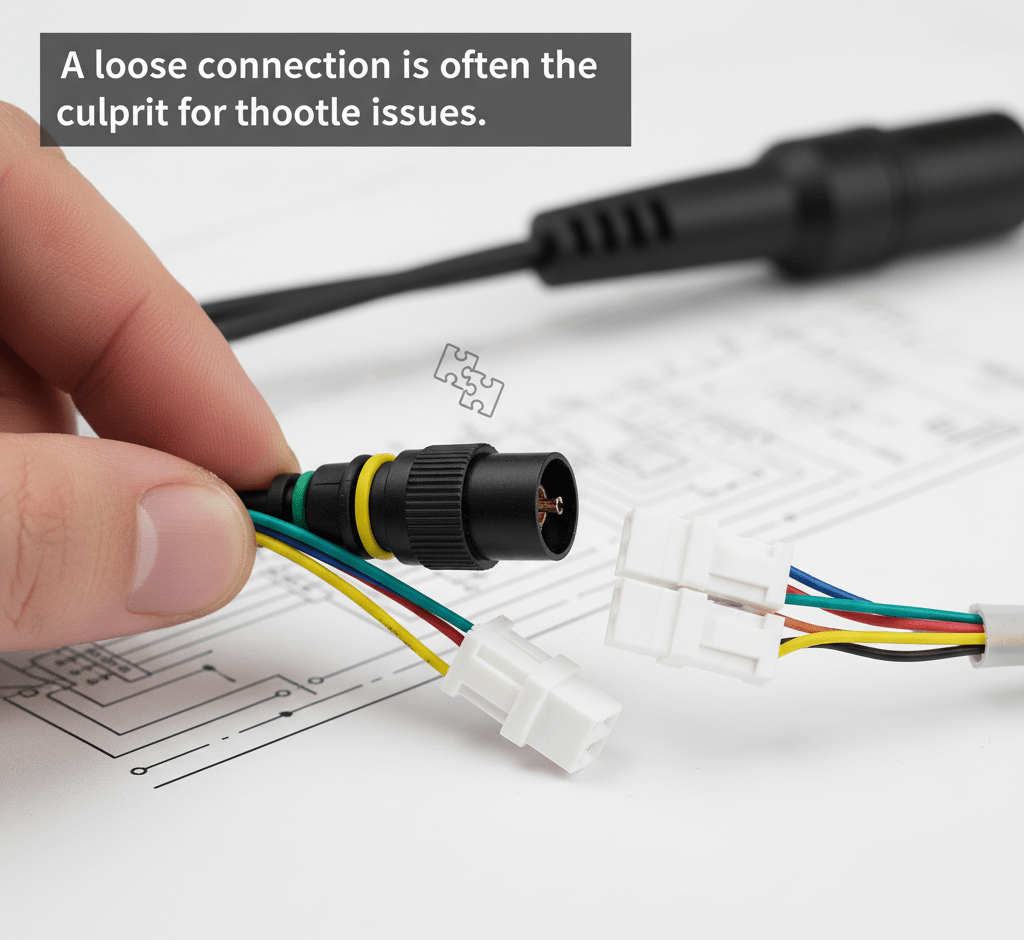
The table below outlines the most frequent problems, their likely causes, and the steps you can take to resolve them. Remember to always disconnect the battery before unplugging or working on any electrical components.
| Problem | Potential Cause(s) | Solution(s) |
|---|---|---|
| Throttle is completely unresponsive. | – Loose or disconnected cable – Damaged internal wiring – Controller setting disabled throttle – Faulty throttle sensor | – Check the throttle’s connection to the main harness. – Inspect the cable for visible damage. – Verify in your e-bike’s display settings that the throttle is enabled. – Test with a multimeter or try a known-working throttle. |
| Power is intermittent or “jerky.” | – Damaged wire inside the cable sheath – Debris or moisture inside the throttle – Poor connection at the plug | – Gently wiggle the cable near the throttle and connector to see if the power cuts in and out, indicating a wire break. – Disconnect, clean both ends of the connector, and reconnect securely. – If possible, open and dry out the throttle housing. |
| Throttle provides “all or nothing” power. | – Faulty Hall effect sensor – Incorrect throttle voltage compatibility – Controller programming issue | – This often indicates an internal failure of the sensor, requiring throttle replacement. – Confirm the throttle is compatible with your bike’s voltage. – Check controller settings if you have a programmable controller. |
🛠️ Advanced Customization and Performance Tuning
For riders who want to fine-tune their experience, the ebike thumb throttle can be more than just an on/off switch. Its behavior is often dictated by the e-bike’s controller, and many modern controllers offer programmable parameters. By accessing these settings (often via a display menu or a PC connection), you can adjust the throttle’s “ramp-up” or sensitivity. A smoother ramp-up provides a gentler, more gradual acceleration, which is great for technical trail riding or navigating crowded areas. A more aggressive curve delivers power more quickly, ideal for performance-oriented riders.
Ergonomic customization is just as important. The ideal placement of your thumb throttle for electric bike is where you can comfortably reach and operate it without shifting your grip on the handlebars. Experiment by loosening the clamp and rotating it around the bar or moving it slightly closer or further from the grip. A few millimeters can make a huge difference in comfort and control, especially on long rides.
Customer Insights & Field Notes
We’ve received feedback from several long-distance touring cyclists who initially experienced thumb fatigue. The most common solution was not a new throttle but a small adjustment. By rotating the thumb throttle forward by about 15 degrees, they could actuate it by pressing more with the side of their thumb joint rather than the tip, which significantly improved comfort over hundreds of miles.
🌟 Premium and Specialized Throttle Upgrades
For those seeking the best in performance and features, consider these premium throttle options.
Universal Thumb Throttle
A versatile and durable option designed to withstand the elements. Features a universal connector system for broad compatibility.
- Compatibility: 24V, 36V, 48V, 60V, 72V systems
- Connector: 3-pin waterproof (Higo)
- Pros: Excellent waterproofing, robust build, easy installation and premium feel.
- Best for: All-weather commuters and off-road enthusiasts.
- Price: $10
Low-Profile Ergonomic Thumb Throttle
Designed for comfort and a clean handlebar setup. Its slim profile makes it ideal for bikes with crowded handlebars (e.g., shifters, brake levers, and bells).
- Compatibility: 24V, 36V, 48V, 60V and 72V systems
- Connector: 3-pin Higo
- Pros: Minimalist design, reduces thumb fatigue, lightweight and good feel.
- Best for: Urban riders and long-distance tourers.
- Price: $13
🔧 Installation and Compatibility Guide
🎯 Which Thumb Throttle is Right for You?
Selecting the ideal thumb throttle ultimately comes down to your riding style, your e-bike’s technical specifications, and your budget. This guide has covered everything from the basics of how they work to advanced troubleshooting, but let’s distill it into a simple decision-making framework. By identifying your primary use case, you can narrow down the vast selection to find the perfect match for your needs.
- For the Daily Commuter: Reliability and weather resistance are paramount. A model with waterproof connectors, like the Universal Waterproof Thumb Throttle, is a wise investment. Ergonomics are also key, so a low-profile design can prevent fatigue on your daily journeys. You don’t need the most high-tech option, but durability is a must.
- For the Off-Road Adventurer: If you’re hitting the trails, you need a throttle that is both durable and allows for a secure grip. A compact, rugged mini bike thumb throttle or a CNC-machined aluminum model offers superior durability against vibrations and impacts. The precise modulation of a high-quality Hall sensor is also critical for navigating technical terrain where sudden power jolts are undesirable.
- For the Casual Rider and Tourer: Comfort is your main priority. An ergonomic, low-profile e bike thumb throttle that can be positioned perfectly to avoid thumb strain is ideal. You may also benefit from a left-handed model if your right hand is busy with shifters. Your focus should be on a design that feels natural and reduces fatigue over long distances.
- For the DIY Builder and Performance Tuner: You require maximum compatibility and features. A universal throttle rated for a wide voltage range (24V-72V) is essential. For a high-end build, a premium option with an integrated LCD or a precision CNC-machined body will provide both the performance and the data you crave.
💬 Your Questions Answered
Can you add a thumb throttle to any e-bike?
Not necessarily. While you can add a thumb throttle for an electric bike to many models, there are two key limitations. First, the e-bike’s controller must have a dedicated throttle port and be programmed to accept a throttle input. Most e-bikes sold as “throttle-capable” or that already have a throttle will work. However, some systems, particularly proprietary ones from brands like Bosch or Shimano, are closed ecosystems and do not allow for third-party throttles. Second, as discussed, you must respect local laws. Adding a throttle to a Class 1 e-bike may make it illegal for use on certain paths or trails.
Is a thumb throttle better than pedal assist?
Neither is inherently “better”—they serve different purposes and often work best together. Pedal assist (PAS) feels more like traditional cycling and is generally more efficient, leading to longer battery range. It’s excellent for exercise and long, steady rides. A thumb throttle ebike setup offers on-demand power, which is superior for getting started from a stop, quick bursts of acceleration in traffic, and riding without pedaling. The best e-bike experience often comes from using PAS as the primary mode and the thumb throttle as a supplementary tool for convenience and power boosts.
Ready to Upgrade Your Ride?
Find the perfect thumb throttle to unlock your e-bike’s full potential. Browse our full collection for compatible, high-quality options.
❓ Frequently Asked Questions (FAQ)
1. What tools do I need to install an electric bicycle thumb throttle?
Installation is typically simple. You will usually need a set of Allen (hex) keys to loosen and tighten the throttle’s clamp on the handlebar, and possibly a small screwdriver. If you need to remove your handlebar grips, a little rubbing alcohol can help them slide off and on more easily. No complex electrical tools are needed unless you have to splice wires for a custom fit, which we recommend leaving to a professional.
2. My new thumb throttle isn’t working. What’s the first thing to check?
The first and most common issue is a loose connection. Ensure the throttle plug is firmly and correctly seated in the controller port. Check for any bent pins inside the connector. The second thing to check is your e-bike’s display settings—some systems allow you to disable the throttle function via the menu. Confirm it is enabled. If it still doesn’t work, review the troubleshooting table from the guide.
3. How do I know if a thumb throttle is compatible with my e-bike’s battery voltage?
Most thumb throttles are compatible with a wide range of voltages (e.g., 24V to 72V). This is because the throttle itself typically operates on a standard 5V signal provided by the controller, regardless of the main battery voltage. The product description will always list its compatible voltage range. The more critical factor for compatibility is the connector type and the pinout (the wiring arrangement), which must match your controller.
4. Can I have both a thumb throttle and a twist throttle on my e-bike?
No, you should not connect two throttles to a single controller port simultaneously. The controller is designed to read a single variable voltage input. Connecting two throttles could send conflicting signals, resulting in erratic behavior or no response at all. You must choose one type of throttle for your setup.
5. Will installing a new thumb throttle void my e-bike’s warranty?
This depends entirely on the manufacturer’s warranty policy. Many direct-to-consumer e-bike brands are supportive of modifications and may not void the warranty if the new component is installed correctly. However, major brands with proprietary systems will almost certainly void the warranty on the electrical components if you install non-approved, third-party parts. Always check your warranty terms and conditions before making modifications.
References
- For more in-depth knowledge on sensor technology, see “How Hall Effect Sensors Work” by an electronics authority like Electronics Tutorials.
- For details on e-bike classifications and laws, consult a reputable source like PeopleForBikes.



LEAVE A COMMENT