



How to Easily Get Clean Ebike Cable Management
What is ebike cable management? Ebike cable management is the systematic routing, securing, and protection of an electric bike’s electrical and mechanical wires. It is important because it prevents snags, reduces wear on sensor wires, keeps waterproof connectors intact, and vastly improves the overall aesthetics of your ride.
I still remember my first real off-road adventure on my newly converted electric bike. I was flying down a gravel path, feeling unstoppable, until a stray branch caught a loose throttle cable dangling near my handlebars. The sudden jerk not only snapped the sensor wire but also brought my ride to a jarring halt miles away from home.
That frustrating (and long) walk back taught me a valuable lesson: ebike cable management isn’t just about making your bike look neat. To be honest, it is a critical safety measure and a vital part of basic ebike maintenance. Whether you are dealing with brake cables, gear shift cables, or thick electrical cables connecting your battery to the motor, keeping them organized saves you from costly repairs.

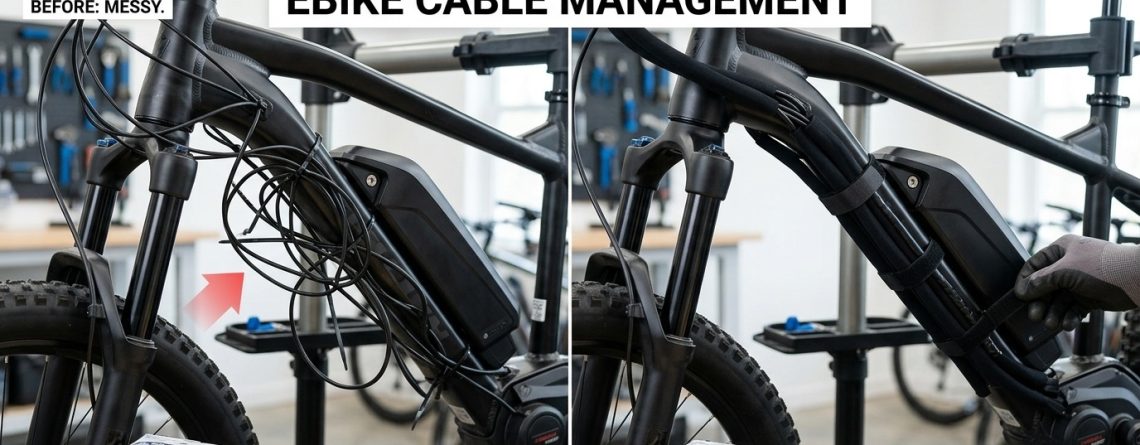
Proper ebike cable management using wire sleeves prevents snagging and reduces cable drag.
When you take the time to clean up ebike wiring, you reduce cable drag—that annoying resistance you feel when turning the handlebars because the cables are pulled too tight. You also protect sensitive components from the elements. Over the last three years, I’ve tested everything from cheap zip ties to high-end braided sleeves, and I’ve learned exactly what works for both urban commuters and rugged trail riders.
Ready to tidy up your ride?
Discover the exact tools and techniques you need to protect your wires.
Internal vs. External Cable Routing ⚡
When diving into an ebike wiring guide, the first crossroad you’ll hit is deciding between internal and external routing. Modern electric bikes often come with some level of integration, but if you are building a DIY kit or upgrading your components, you need to know the pros and cons of each method.
| Routing Type | Aesthetics & Protection | Maintenance Difficulty | Best For |
|---|---|---|---|
| Internal Cable Routing | Excellent. Wires are hidden inside the frame, fully protected from snags and weather. | High. Feeding a cable housing through tight frame tubes requires patience and special tools. | Factory ebikes, sleek commuters, and riders who hate visual clutter. |
| External Cable Routing | Fair. Cables run along the outside, exposed but easily managed with wire loom tubing. | Low. Swapping out throttle cables or sensor wires takes mere minutes. | DIY conversions, heavy-duty mountain bikes, and easy servicing. |
💡 Why Frame Flex Points Matter
In my case, I initially strapped my lighting cables tight against the head tube using hard plastic zip ties. Big mistake. Every time I turned the handlebars, the cables stretched. I learned that you must leave slack at frame flex points. Allowing a natural curve near the suspension and headset prevents the internal wires from snapping over time.
Always leave enough slack at frame flex points to allow for full handlebar rotation.
Questions I constantly hear about wiring:
Do I need to worry about electromagnetic interference between cables?
Generally, no. For most standard electric bikes, routing mechanical brake cables alongside electrical cables won’t cause noticeable interference. However, keeping sensor wires slightly separated from thick phase wires can prevent rare signal drops.
Can I convert an external frame to internal routing?
I strongly advise against drilling holes into your bicycle frame to route cables internally. This compromises the structural integrity of the metal or carbon fiber. Instead, use a high-quality cable wrap to achieve a clean look externally.
DIY Ebike Wiring Clean Up 🛠️
Actually getting your hands dirty and organizing your setup is highly rewarding. You don’t need a professional mechanic to drastically improve your ebike aesthetics. Here is my personal step-by-step process for wrapping things up tightly.
How to Organize Your Ebike Wiring
- Disconnect the Battery: Safety first. Always remove the power source before tugging on any electrical cables.
- Group by Destination: Gather cables heading to the same place. Group your left-side brake cables with the display wires, and right-side gear shift cables with the throttle wires.
- Apply the Cable Wrap: Starting from the handlebars, spiral your wire sleeves downwards. Keep it snug, but not crushing.
- Test the Steering: Turn your handlebars from lock to lock. Check the cable tension. If it feels tight, pull some slack back up through the wrap.
- Secure the Ends: Use silicone twist ties or a small piece of heat-shrink tubing at the ends of the wrap to prevent it from fraying or unraveling.
Pro Tip on Waterproof Connectors: When routing external cables, make sure your waterproof connectors (often color-coded like Higo or Julet plugs) face downward if possible. This prevents water from pooling inside the connection housing during heavy rain. If they must sit horizontally, a quick wrap of waterproof tape adds perfect peace of mind.
Essential Cable Management Tools
Based on organizing dozens of builds, here is what you actually need in your toolkit:
- Wire Loom Tubing / Braided Sleeves: Excellent for bundling multiple wires into one clean, flexible tube.
- Silicone Twist Ties: Better than plastic zip ties because they don’t pinch the cables and are easily reusable.
- Heat-Shrink Tubing: Perfect for sealing spliced wires or reinforcing weak connector joints.
- Cable Guides: Adhesive or bolt-on clips that hold the cable housing flush against the frame.
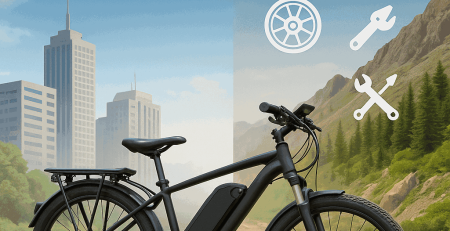
Before and after: Notice how wire loom tubing completely transforms the ebike aesthetics.
Frequently Asked Questions 📖
Are zip ties bad for ebike cables?
Standard plastic zip ties aren’t inherently bad, but if pulled too tightly, they can crush the delicate wires inside your electrical cables, causing shorts. I recommend using silicone twist ties or reusable velcro straps instead.
How do I stop my cables from rattling inside the frame?
Internal cable routing can be noisy. To silence the rattle, slide a foam cable housing sleeve over the wire before feeding it into the frame. The foam acts as a dampener against the metal tubing.
How often should I inspect my ebike wiring?
As a general rule of ebike maintenance, inspect your wiring every 500 miles or after any major crash. Look for stretched wire loom tubing, exposed copper, or moisture inside the waterproof tape.
Final Thoughts on Wiring
Good ebike cable management is a blend of art and engineering. You know you’ve nailed it when the bike looks completely stealthy, the steering feels totally unrestrained, and you never have to worry about a rogue branch ruining your afternoon ride. Treat your electrical cables with respect, leave slack at the flex points, and your ebike will reward you with miles of trouble-free cruising.
Disclaimer: This article shares expert experiences and field notes from hundreds of miles of riding. Always follow your manufacturer’s manuals and local regulations when modifying your electric bike. Be sure your battery is disconnected before servicing. This article was written and organized with the assistance of AI.




LEAVE A COMMENT