




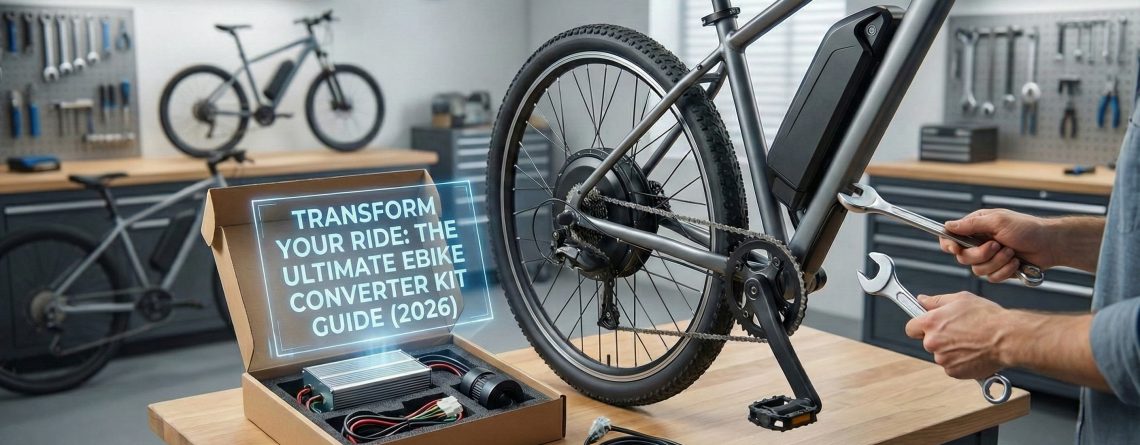
Transform Your Ride: The Ultimate Ebike Converter Kit Guide (2026)
⚡Understanding the Core Components
To be honest, the variety of options can be overwhelming at first. When you start searching for an electric bike conversion kit, you’ll likely see two main contenders: hub motors and mid-drives. After testing both on different terrains, I’ve realized that the “best” kit depends entirely on where you plan to ride.
Hub Motors vs. Mid-Drive Kits 📖
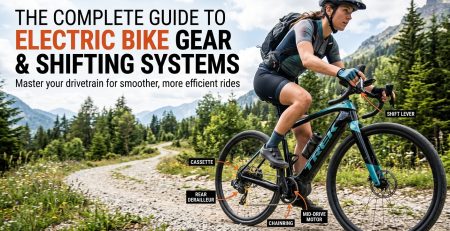
A hub motor conversion kit replaces one of your wheels (usually the rear) with a wheel containing the motor. It’s simple, reliable, and great for flat city commuting. On the other hand, a mid-drive conversion kit mounts at the pedals. It uses your bike’s gears, making it a beast for climbing steep hills. In my experience, if you’re doing a road bike ebike conversion kit for speed, a hub motor is plenty. But for off-roading? Go mid-drive.
| Feature | Hub Motor Kit | Mid-Drive Kit |
|---|---|---|
| Installation Difficulty | Easy (Swap the wheel) | Moderate (Requires bottom bracket removal) |
| Hill Climbing | Good (Flat to moderate) | Excellent (Uses bike gears) |
| Maintenance | Low (Separate from drivetrain) | Moderate (Increases chain wear) |
| Price Range | $300 – $800 | $600 – $1,200 |
🔋 The Battery Debate: Lithium vs. Lead Acid
One mistake I see beginners make is trying to save money with lead acid batteries. While they are cheaper, they are incredibly heavy and don’t last nearly as long. Nowadays, a lithium ion battery is the industry standard for a reason. An ebike conversion kit with battery using lithium cells will be 70% lighter and provide a much more consistent discharge rate, meaning you won’t lose power as the battery drains.
💡 Expert Insight: Choosing Voltage and Amps
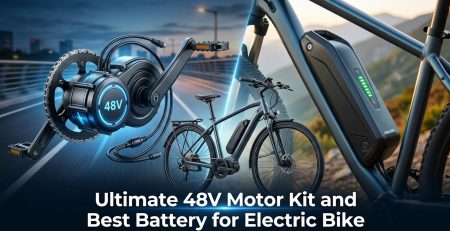
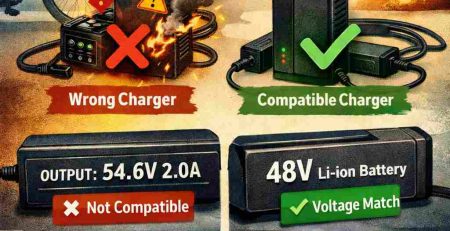
If you’re looking for a 48v 20ah battery ebike setup, you’re aiming for a “sweet spot” of power and range. A 36v system is fine for casual cruising, but if you want to hit 25mph+ consistently, 48v is the way to go. Just make sure your ebike controller kit is compatible with the voltage of your battery!
How long does an ebike battery last?
Typically, a quality lithium battery will handle 800 to 1,000 charge cycles. You know, if you commute every day, that’s about three to four years of reliable use before you’ll notice a significant drop in capacity.
🚀 How to Choose Your Perfect Kit
Actually, the first thing you need to check is your wheel size. Most standard bikes use a 26 inch ebike conversion kit, but many modern commuters require a 700c ebike conversion kit. I always tell people: measure twice, order once. There’s nothing worse than getting your ebike retrofit kit in the mail only to realize the motor hub doesn’t fit your fork dropouts.
Step-by-Step Selection Guide 💡
- Define your terrain: Flat roads? Rear wheel hub motor. Steep hills? Mid-drive.
- Check compatibility: Ensure your frame has room for the ebike battery and motor kit components.
- Choose your control: Do you prefer a pedal assist conversion kit (PAS) or a throttle ebike conversion kit? (Hint: Most people like having both!)

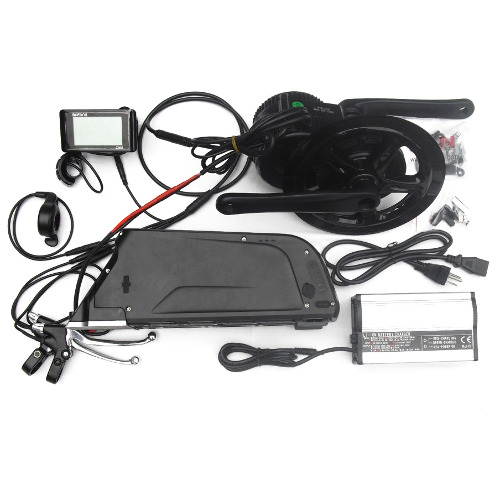
The Commuter’s Choice
Type: Middle Motor
Best for: City streets and daily commutes.
- Pros: Very quiet, quite budget-friendly.
- Cons: Installation is more involved.
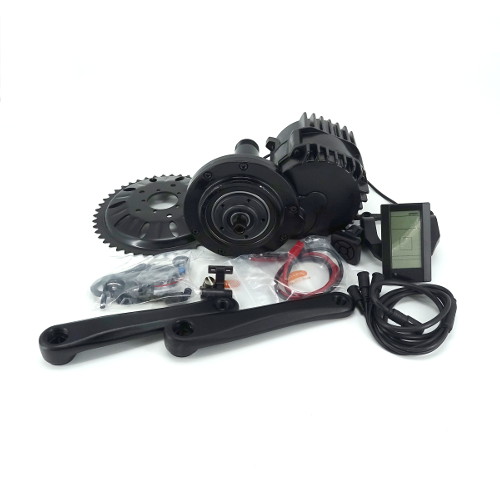
The Hill Climber
Type: Powerful Mid-Drive Motor Kit
Best for: Off-road mountain biking and steep residential hills.
- Pros: High torque, balanced weight.
- Cons: Higher cost, more complex install.
Field Note: When I installed my first DIY ebike conversion kit, I forgot to tighten the torque arm. Please don’t make that mistake! A torque arm prevents the motor from spinning the axle right out of your bike’s frame. It’s a $15 part that saves a $500 kit.
🌱 Frequently Asked Questions
How much does an ebike conversion kit cost?
On average, you can expect to spend between $400 and $1,200. A basic rear wheel ebike conversion kit without a battery might cost $250, while a high-end mid-drive with a long-range lithium battery for ebike conversion will sit at the higher end of the spectrum.
Is it hard to convert a bike to an ebike?
Actually, if you can change a tire and use a screwdriver, you can install a hub motor kit in about 90 minutes. Mid-drive kits are a bit more technical and might require a special tool to remove your bike’s bottom bracket, but they are still very doable for a weekend hobbyist.
What is the range of a converted ebike?
This depends on the battery. A standard 13Ah battery typically offers 25–40 miles of range. To be honest, if you use the throttle ebike conversion kit heavily without pedaling, expect the lower end of that range.
Are ebike converter kits legal?
In the US, most kits are legal as long as they are limited to 750W and a top speed of 20 or 28 mph (depending on your state’s class system). Always check your local regulations, especially if you’re building a high-power mountain bike setup.
📋 Pre-Conversion Compatibility Checklist
Before ordering your ebike converter kit, use this checklist to ensure your bike frame is ready for electrification.
1. Frame & Fork Clearance
- Front Fork Width: 100mm (Standard for front hub)
- Rear Dropout Width: 135mm (Standard for rear hub)
- Bottom Bracket: 68mm–73mm threaded (Required for Mid-Drives)
2. Wheel & Brake Specs
- Wheel Size: Match your rim (26″, 27.5″, 700c, etc.)
- Brake Type: Ensure the motor hub supports Disc or Rim brakes
- Torque Arm: Required for aluminum or carbon forks
3. Battery Mounting Space
- Triangle Space: Minimum 14″ x 7″ for “Hailong” style batteries
- Mounting Bosses: Check if water bottle holes are sturdy
- Rear Rack: Alternative if frame space is restricted
4. Electrical & Control
- Handlebar Diameter: Standard 22.2mm for throttles
- Crankset: Square taper preferred for PAS sensors
- Cable Routing: Plan paths for the ebike controller kit
Tip: If your bike has “Thru-Axles” instead of “Quick Release,” you will need a specific axle adapter not found in most standard kits.
Final Thoughts
Choosing an ebike converter kit isn’t just about the specs; it’s about reclaiming the joy of riding. Whether you’re looking for an electric bicycle conversion kit to save money on gas or just to keep up with faster friends, the DIY route is rewarding. It’s affordable, sustainable, and gives you a deep understanding of how your machine works.
Disclaimer: Always follow the manufacturer’s manual during installation. Ensure your brakes are in top condition before adding motorized power to any bicycle.
This article shares expert experiences and was organized with AI assistance.
References:Learn how to choose the best ebike converter kit. Compare hub vs mid-drive motors, battery types, and costs in our 2026 DIY conversion guide.


LEAVE A COMMENT