






How to Master Your Good Battery for Cold Weather
Quick Answer: A good battery for cold weather is a high-capacity lithium-ion pack (48V or 52V) equipped with a smart BMS for low-temperature protection. If you are searching for the best battery for cold weather to maximize winter range, we recommend 52V systems with 21700 cells, which offer superior stability against voltage sag
I still remember my first winter commute on an electric bike. It was a crisp 20 degrees Fahrenheit (20°F) morning in Minneapolis, and I had charged the battery overnight feeling prepared.
About five miles into my ten-mile ride, the “full” battery indicator dropped to two bars. The motor turned sluggish, and I ended up pedaling a 60-pound bike through slush with almost no assistance. That day made one thing clear: cold weather quickly reveals the limits of a battery.

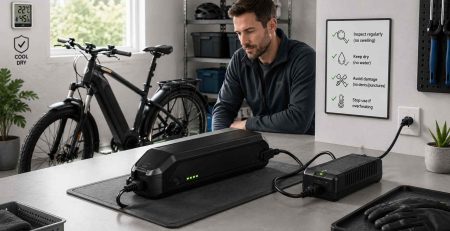
Protecting your lithium ebike battery cold weather performance with insulation.
Why E-Bike Batteries Lose Range in Winter
It’s a common winter frustration: your ebike battery range in cold weather can shrink by 20% to 50%.
The energy isn’t gone. The battery just can’t deliver it as easily when it’s cold.
Lithium-ion batteries depend on chemical reactions inside the cells. When temperatures drop, those reactions slow down. The electrolyte thickens—similar to honey in a refrigerator—so the battery has to work harder to push power out.
That extra resistance causes a noticeable ebike battery voltage drop in cold temperatures.
Your motor controller reads the lower voltage and assumes the battery is nearly empty—even when usable energy remains.
This is why understanding ebike battery capacity in cold weather matters so much, especially if you plan to commute through winter.
Ready to upgrade your winter ride?
Before you buy, check out our top-rated insulated battery options designed for sub-zero performance.
What Makes a Battery “Good” in Cold Weather?
In my experience testing various setups, the label on the box rarely tells the whole story. A best ebike battery for cold weather isn’t just about the brand; it’s about the chemistry and the “brain” inside it. While some older systems use lead acid batteries like an AGM battery (Absorbent Glass Mat), most modern winter riders prefer lithium for its efficiency and weight. Here is what you need to look for to ensure your lithium ebike battery cold weather performance stays reliable.
1. High Voltage Stability (48V vs 52V)
Have you ever wondered why some riders prefer 52V systems for winter? In cold weather, voltage sag is your biggest enemy. A 52V battery starts at a higher nominal voltage than a 48V pack. Cold weather causes voltage drop.
A 52V battery starts higher, so it stays above the motor’s low-voltage cutoff longer. That means you get more usable range when it’s freezing outside.
2. The Role of the BMS
While a car mechanic might check for cold cranking amps to ensure an engine starts, an e-bike rider needs to look at the continuous discharge rating and BMS safety cutoffs. A high-quality BMS should include cold protection. It stops charging when the cells are below 32°F (0°C). Charging a frozen battery can cause permanent “lithium plating,” effectively destroying your ebike battery lifespan in a single afternoon. Even an AGM battery handles cold storage better than lithium, but no battery performs well when charged below freezing.
| Battery Type/Spec | Optimal Temp | Performance at 32°F (0°C) | Key Winter Benefit |
|---|---|---|---|
| Standard 36V Lithium | 68°F (20°C) | ~60% Capacity | Lightweight, affordable |
| High-Capacity 48V | 68°F (20°C) | ~75% Capacity | Balanced range & power |
| Premium 52V Pack | 68°F (20°C) | ~85% Capacity | Superior voltage stability |
| LFP (LiFePO4) | 68°F (20°C) | ~50% Capacity | High safety, lower cold perf |
Q: Can you charge an e-bike battery below freezing?
Answer: No. You should never charge your battery if the cells themselves are below 32°F (0°C). While you can discharge (ride) in the cold, charging in freezing temps causes irreversible damage. Always bring your battery inside and let it reach room temperature for at least two hours before plugging it in.
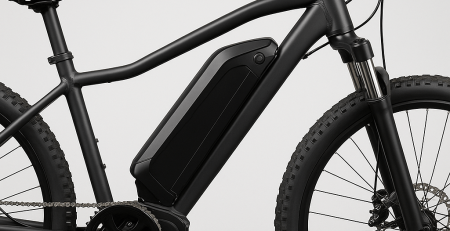
Understanding how temperature drops impact your ebike battery temperature range.
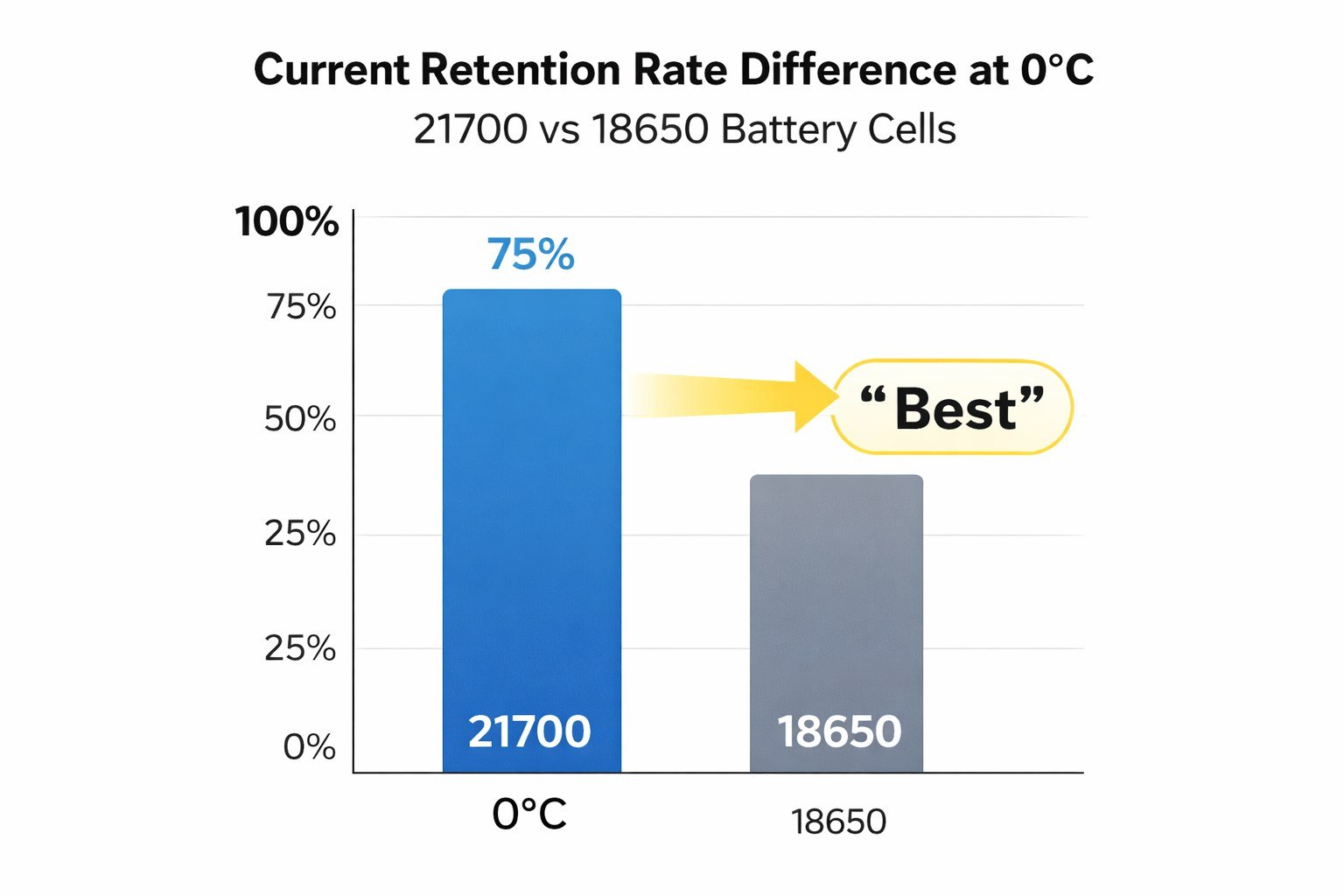
21700 vs 18650: Which Cell Wins in the Cold?
When selecting the best ebike battery for cold weather, the cell size matters. Modern 21700 cells (like the Samsung 50E or M50LT) offer higher energy density and improved thermal mass compared to traditional 18650 cells.
In sub-zero temperatures, 21700 cells typically exhibit lower internal resistance increase. This means you experience less “voltage sag” when accelerating in the snow, maintaining consistent power delivery even as the thermometer drops.
How to Protect an E-Bike Battery in Cold Weather
Over the years, I’ve found that a little preparation goes a long way. If you want to maximize your ebike battery range in cold weather, you don’t necessarily need a new battery—you just need to treat your current one like a living thing. It likes to be warm, just like you.
The “Warm-Start” Strategy
Always store your battery indoors. By starting your ride with a “room temperature” battery (around 70°F), the internal chemical reactions are already efficient. Once you start riding, the natural discharge process generates a small amount of internal heat, which helps the battery maintain its own temperature even in ebike battery freezing temperatures.
Winter Battery Maintenance Tips
- Use a Thermal Cover: Neoprene sleeves can keep the battery 5-10 degrees warmer by trapping the heat generated during use.
- Avoid “Deep” Discharges: In winter, try not to let your battery drop below 20%. The lower the charge, the more susceptible it is to ebike battery voltage drop.
- Dry Storage: Snow and slush lead to moisture. Always wipe down the battery terminals after a safe ebike battery winter commuting session.
Recommended Battery Specs for Winter Riding
If you are looking for a best lithium battery for ebike use during the winter, consider these high-performance options that prioritize capacity and BMS safety.

EM3ev Insulated 48V Commuter Battery
Best For: Urban riding in 20°F to 40°F.
Includes a built-in neoprene layer and weather-sealed casing for moisture protection.
EM3ev Long-Range 52V 20Ah Pack
Best For: Extreme cold and long commutes.
Features high-density cells that resist voltage sag and a smart BMS with thermal cutoff.
FAQ: Good Battery for Cold Weather (People Also Ask)
How much range do you lose in cold weather?
Typically, expect a 20-30% reduction in range when temperatures hit 32°F (0°C). In extreme sub-zero conditions, you might lose up to 50%. This is why choosing a best battery size for ebike winter use (higher Ah) is so helpful.
Should I store my battery fully charged in winter?
If you are using it daily, keeping it fully charged is fine. However, for long-term ebike battery storage in winter, you should keep it at 40-60% charge in a cool, dry place indoors to maximize its battery lifespan.
How long does an ebike battery last in winter?
The ebike battery lifespan cold weather impact is generally minimal if you follow safe charging rules. While the daily range is shorter, the total number of charge cycles remains the same, provided you never charge it while frozen.
Why does my battery charge so slowly in winter?
Cold temperatures increase the internal resistance of lithium-ion cells. To protect the battery from “lithium plating”—a process that can permanently short-circuit the cells—high-quality BMS units will throttle charging speeds or block charging entirely until the pack warms up.
Are 52V batteries better than 48V for winter commuting?
Yes. A 52V battery starts at a higher nominal voltage. Because cold weather causes an immediate ebike battery voltage drop, the 52V pack provides a larger “buffer” before hitting the motor controller’s low-voltage cutoff, effectively extending your usable winter range.
The Bottom Line
A good battery for cold weather is more than just a power source; it’s your lifeline during a freezing commute. By focusing on higher voltage (52V), ample capacity (Wh), and strict indoor charging habits, you can keep your e-bike running smoothly all year long. Stay warm, ride safe, and always respect the chemistry inside your pack.
References: Battery University (Lithium-ion Characteristics), E-bike Safety Standards (BMS Guidelines). Always follow your manufacturer’s manual and local regulations for winter battery use.




LEAVE A COMMENT