



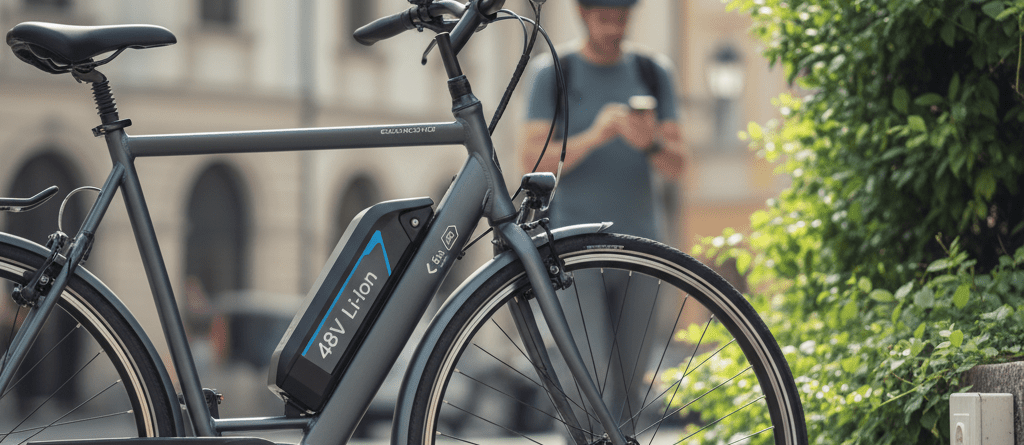
How to Find the Best 48V Lithium Ion Battery for Electric Bike
48V Lithium Ion Battery for Electric Bike: Guide & Top Picks (2025)
What is a 48V lithium ion battery for an electric bike?
A 48V lithium-ion battery for an electric bike is a rechargeable power pack consisting of series-connected lithium cells (usually 13 cells) that provides 48 volts of nominal power. It balances high torque for climbing hills with efficient energy density, making it the standard standard for most mid-range and high-performance e-bikes.
There is a specific kind of panic that sets in when you are ten miles from home, staring at a blinking red bar on your e-bike display. I’ve been there—pedaling a 60-pound fat tire bike up a hill because my old lead-acid battery decided to quit early. It’s not fun.
If you are looking for a 48v lithium ion battery for electric bike replacement or an upgrade, you aren’t just buying a plastic box with wires; you are buying freedom from that range anxiety.
In the world of e-bikes, the battery is your gas tank and your engine’s lifeline rolled into one. Whether you are building a DIY conversion kit or replacing a dying pack on your daily commuter, understanding the difference between a cheap knock-off and a quality 48v ebike lithium battery is critical for your safety and your wallet.
Not sure which 48V battery is right?
Start with the 48V battery guide—learn sizing, connectors, safety, and how to match a pack to your motor and controller.
Read the 48V Battery Guide
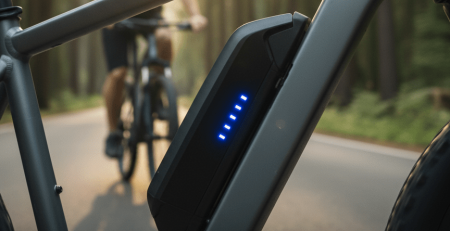
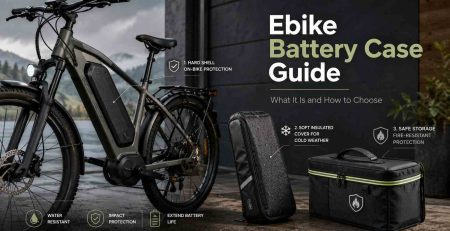
Choosing the right form factor—downtube vs. rear rack—is just as important as the voltage.
Why Upgrade to 48V?
To be honest, the jump from 36V to 48V feels like switching from a sedan to a sports car. A 48v electric bike battery delivers more amps to your motor, which directly translates to:
- Better Hill Climbing: More torque to get you up steep inclines without stalling.
- Higher Top Speeds: Depending on your controller, 48V often unlocks higher RPMs.
- Cooler Operation: Higher voltage allows the system to run more efficiently at the same wattage compared to lower voltage setups.
Need a Quick Recommendation?
If you’re ready to swap out your old battery, check out the top-rated packs compatible with Bafang, Voilamart, and standard controllers.
⚡ Understanding Specifications: Ah, Wh, and BMS
When I first started shopping for a 48v lithium ion battery for electric bike, I was overwhelmed by the numbers. You’ll see terms like 10Ah, 14Ah, and 20Ah thrown around. Here is the simplest way to think about it: Voltage (48V) is the horsepower, and Amp Hours (Ah) is the size of the gas tank.
Does Capacity Matter? (10Ah vs. 15Ah vs. 20Ah)
Absolutely. A 48v 10ah lithium ion battery for electric bike is lightweight and great for short commutes (15–20 miles). However, if you are doing delivery work or long weekend rides, you really want to look at a 48v 15ah lithium ion battery for electric bike conversion kit or higher.
Here is a breakdown based on my testing of various packs on a standard 750W motor:
| Battery Spec (48V) | Est. Range (Throttle Only) | Est. Range (Pedal Assist) | Best Use Case |
|---|---|---|---|
| 48V 10Ah | 15–20 miles | 25–35 miles | Short Commutes / Lightweight builds |
| 48V 14Ah/15Ah | 25–30 miles | 40–50 miles | Standard Daily Rider |
| 48V 20Ah | 35–45 miles | 60+ miles | Delivery Riders / Long Tours |
💡 PAA: Common Questions on Specs
Can I use a 52V battery on a 48V bike?
Usually, yes. Most 48V controllers have a working range that can handle a fully charged 52V battery (58.8V). However, using a 48 volt battery for ebike systems specifically designed for 48V is the safest bet to avoid over-voltage errors.
How long does a 48V battery last?
A quality lithium ion e-bike battery 48v pack typically lasts 800 to 1,000 charge cycles. If you ride daily, that is about 3 to 5 years before you notice significant capacity loss.
🔋 Chemistry and Safety (The “Don’t Explode” Part)
We have all seen the news stories. Battery safety is non-negotiable. When you are looking for a 48v battery for electric bike replacement, pay attention to the cells inside. Cheap “blue shrink wrap” batteries often use generic cells that degrade quickly and pose safety risks.
Safety Checklist
- Look for Brand Name Cells: Samsung, LG, Panasonic, or Sanyo cells are the gold standard.
- BMS (Battery Management System): Ensure the battery has a built-in BMS to prevent overcharging, overheating, and short circuits.
- Hard Case vs. Shrink Wrap: For e-bikes, always prefer a hard plastic case (Shark or Dolphin style) for impact protection.
Actually, one of the biggest mistakes I see beginners make is buying the cheapest 48v battery for ebike they can find on generic marketplaces. Saving $50 isn’t worth the risk of a fire or a battery that dies in three months.
🚀 Practical Applications: Choosing Your Form Factor
Before you hit “buy,” you need to know where the battery is going to sit on your bike. This affects your center of gravity and handling.
1. Downtube (Shark/Hailong)
This is the most common style for a 48v electric bike conversion battery. It mounts to the water bottle eyelets. It keeps the weight low and centered, which is great for handling.
2. Rear Rack
If you have a step-through frame or no space in the triangle, a rear rack battery is your best option. Just be aware that having 8–10 lbs hanging over the rear wheel can make the bike feel a bit “tail-heavy.”
🛒 Top 48V Battery Picks & Comparisons
Based on current market specs and user reliability, here are the top options depending on your needs—from budget replacements to long-range beasts.

The Range King (Long Distance)
Spec: 48V 20Ah | King Shark
Cells: Samsung 21700
Est. Price: $379
- Massive 60+ mile range
- High discharge for 1000W+ motors
- Premium brand name cells
The Daily Commuter (Best Value)
Spec: 48V 13.6Ah | Shark Case (Superior to Hailong)
Cells: Samsung and Molicel/Grade A
Est. Price: $380
- Fits most standard frames
- Includes mounting base
- Affordable entry point
- Good for 20-30 mile range
*Prices and availability vary. Always check connector compatibility (XT60, Anderson, Bullet) before ordering.
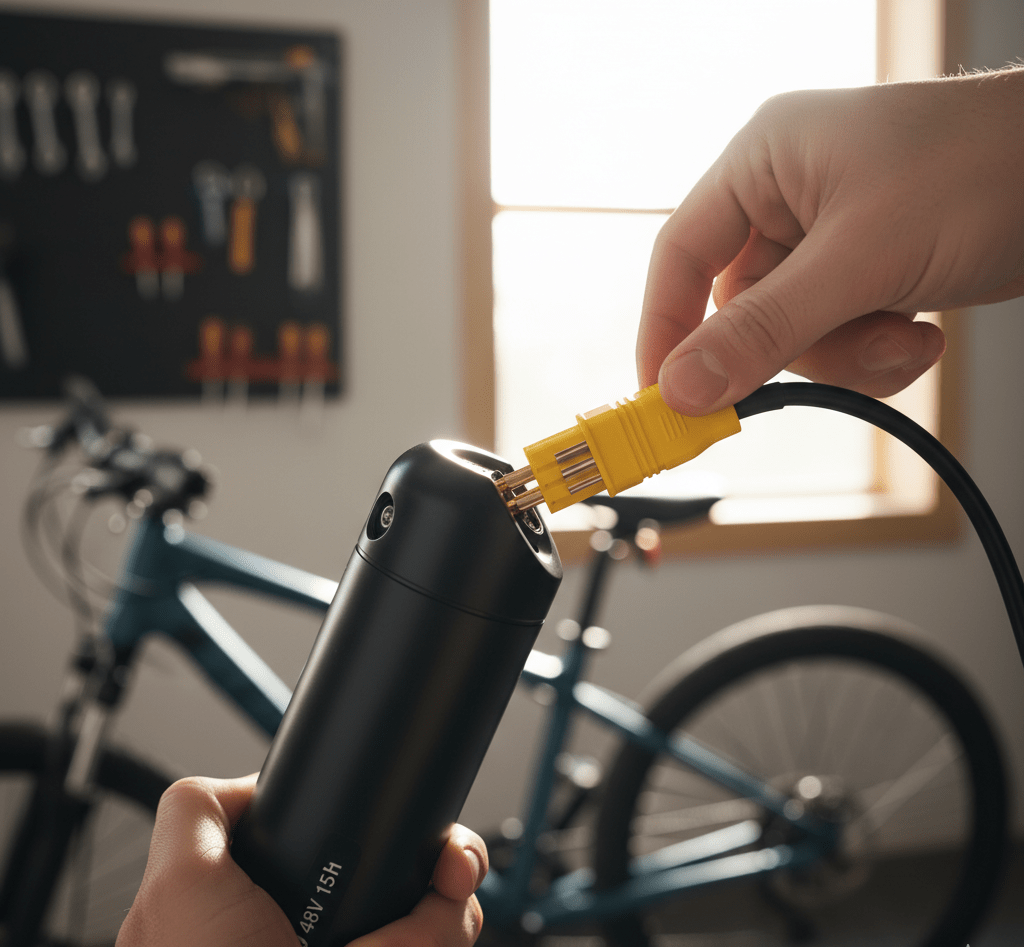
Make sure your connector matches! An XT60 connector (yellow) is the most common modern standard.
📖 Frequently Asked Questions
How long does it take to charge a 48V e-bike battery?
Using a standard 2A charger, a 48v 10ah lithium ion battery for electric bike takes about 5 hours to charge from empty. Larger batteries, like a 20Ah pack, can take up to 8–10 hours unless you use a fast charger (4A or 5A), which can cut that time in half.
Can I replace a 36V battery with a 48V battery?
You need to check your controller and display first. Many components are “dual voltage” (36V/48V compatible). If your controller is rated for 48V, then yes, upgrading will give you more speed and power. If not, you will fry your controller.
What is the lifespan of these batteries?
Most 48v lithium ion batteries for electric bikes are rated for 800–1000 charge cycles. To extend this, try not to drain the battery to 0% every ride, and store it at roughly 50% charge if you aren’t using it for a few weeks (like in winter).
Is a 48V 1000W battery different from a 500W one?
Batteries aren’t usually rated in Watts, but they have a “Max Continuous Discharge Current” (BMS rating). For a 1000W motor, you need a battery BMS capable of delivering at least 25–30 Amps. A battery meant for a 250W bike might only output 15 Amps and will cut out if you try to use it on a 1000W motor.
Ready to Ride?
Don’t let a dead battery keep you off the road. Whether you need a 48v lithium ion battery for electric bike nearby or are ordering a custom pack online, getting the right voltage and capacity is the key to a happy ride.
References & Further Reading:
1. Battery University – Lithium Ion Basics
2. Local Regulations on E-Bike Batteries (Check your regional laws).
Disclaimer: Working with high-capacity lithium batteries involves risks. Always follow manufacturer guidelines for charging and storage.




LEAVE A COMMENT