





The Complete Guide to the Bike Battery: Powering Your Ride
The bike battery is the heart of any electric bicycle. While the motor provides the muscle, this power pack provides the fuel. Most modern systems use Lithium-Ion (Li-Ion) chemistry because it is lightweight and offers high energy density. Your choice of voltage—ranging from 36V to 72V—will directly determine your speed and range.

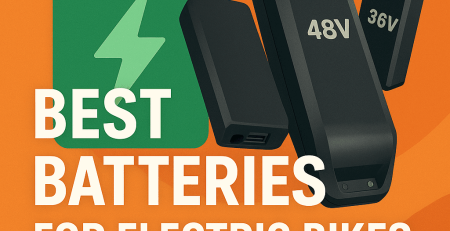
Figure 1: A standard downtube electric bike battery setup.
Why the Power Source is the Heart of the Ride
I still remember the first time my power pack died on me. I was five miles from home, facing a steep uphill climb, and my display flickered from one bar to nothing in seconds. That heavy electric bicycle suddenly felt like a tank. It was a harsh lesson: the component isn’t just an accessory; it is the difference between a joyride and an unwanted workout.
Whether you are commuting daily or racing off-road, choosing the right bike battery is the most critical decision you will make for your setup. In this guide, we will cut through the jargon and look at voltages, chemistry, and maintenance tips to keep you moving.
Quick Summary: Understanding the Specs
Before we look at specific models, you need to understand the “Big Three” specifications. Think of it like a car:
- Voltage (V) = Horsepower: This determines how fast you can go. Higher voltage means more speed.
- Amp Hours (Ah) = Gas Tank Size: This determines how far you can go. Higher Ah means more range.
- Watt Hours (Wh) = Total Energy: Calculated by multiplying V x Ah. This is the truest measure of battery size.
Types of Systems Explained
Not all packs are created equal. While you might occasionally encounter Lead-Acid units on older models, the market has shifted to Lithium-Ion. Let’s break down the voltages, as this causes the most confusion for new riders.
36V Systems (The Commuter Standard)
The 36V system is the standard for entry-level and city bicycles. It provides enough power for flat roads and gentle hills. If you are not looking for high-performance speed, this voltage is efficient, affordable, and keeps the bike lightweight.
48V Systems (The Sweet Spot)
Currently, the 48V configuration is the most popular choice for riders. It offers significantly better hill-climbing torque than the 36V version without adding excessive weight. A 48V pack is versatile enough for both city commuting and light off-roading.
52V, 60V, and 72V (High-Performance)
For enthusiasts, a 52V or 60V system offers a slight edge in speed and efficiency. Taking it further, a 72V setup is essentially entering electric motorcycle territory. These high-voltage units offer massive acceleration and are often found on high-end modification kits or dirt e-bikes.
Comparison: Choosing the Right Voltage
| Voltage | Best Use Case | Top Speed (Approx) | Typical Range |
|---|---|---|---|
| 36V | Casual Commuting | 15-20 mph | 20-40 miles |
| 48V | Hills & Daily Riding | 20-28 mph | 30-50 miles |
| 52V | Performance Enthusiasts | 28-35 mph | 35-60 miles |
| 72V | High-Speed / Off-Road | 45+ mph | 40-80 miles |
Deep Dive: Chemistry and Cell Quality
The voltage tells you how fast it goes, but the “Cell Chemistry” tells you how long it lasts.
Most quality packs use 18650 or 21700 Lithium-Ion cells.
- 18650 Cells: The industry standard for years. Reliable and widely available.
- 21700 Cells: Newer, slightly larger, and hold more energy. These are becoming the premium standard for 2025.
Pro Tip: Always check the brand of the cells inside the case. Samsung, LG, and Panasonic cells perform significantly better and last longer than generic, unbranded cells. Unlike an old lead-acid bike battery, these modern lithium packs do not suffer from “memory effect,” meaning you don’t have to drain them completely before charging.
How Long Will It Last?
A common question is, “When do these packs deteriorate?” Generally, a high-quality unit will last between 500 to 1000 charge cycles.
If you ride every day, that is about 2 to 4 years of peak performance. Afterward, the unit doesn’t just die; it simply holds less charge. You might notice your usual 20-mile loop now consumes 80% of your capacity instead of 50%. This degradation is natural, but proper care can slow it down significantly.
Quick Q&A:
Can I use a car charger?
No. Never use an automotive charger. You must use a specific charger designed for lithium cells (matching your voltage) to prevent fire hazards.
How to Charge an E Bike Battery (Step-by-Step) 🔌
Proper charging is the easiest way to protect your investment. Follow this sequence to ensure safety:
- Cool Down: Never charge immediately after a ride. Let the cells cool for 30 minutes.
- Plug to Wall First: Plug your charger into the wall outlet before connecting it to the bike. This prevents sparks at the connector.
- Connect the Pack: Insert the plug into the charging port gently.
- Monitor: Once the light turns green, unplug it. Avoid leaving it at 100% for days unless you are using a smart trickle charger designed for lithium maintenance.
How to Replace a Bike Battery 🛠️
Eventually, you will need a replacement. The process is usually plug-and-play, but compatibility is key.
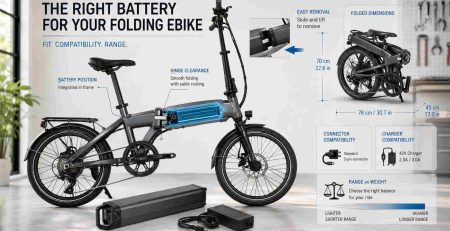
- Match the Voltage: If your motor is 48V, you must use a 48V or 52V pack. Putting a 48V pack on a 36V system can damage the controller electronics.
- Check the Mount: Is it a “Shark” pack (downtube), a rear rack slide-in, or integrated into the frame?
- Connector Type: Look at the plug. Is it XT60, Anderson, or a proprietary pin setup?
Special Vehicle Note:
When looking for a replacement, ensure the voltage matches your motor. If you need a specific electric dirt bike battery, check the discharge rate (C-rating) carefully. Dirt bikes and scooters require high-discharge current (“High C-rating”) to handle rapid acceleration, which standard commuter packs cannot provide.

36V City Commuter
Perfect for flat city streets and lighter bikes.
- ✓ Fits: 250W – 500W Motors
- ✓ Range: Approx 20-35 miles
- ✓ Weight: Ultra-light & Portable
48V 17.5Ah Long Range
The gold standard for most commuters.
- Fits: 500W – 1000W Motors
- Range: Approx 40-60 miles
- Cells: High-density Lithium
52V High-Cap Triangle
Unleash maximum torque and range for long hauls.
- ✓ Fits: 750W – 1500W+ Motors
- ✓ Range: Approx 50-80+ miles
- ✓ Mount: Center-frame optimized
52V Performance Pack
For off-road and high-torque needs.
- Fits: 1000W+ Motors
- Voltage Sag: Minimal
- Ideal for: electric dirt bike battery upgrades
Unsure about compatibility?
Matching the right electric bike battery placement and voltage is critical for safety.
Maintenance Tips to Extend Life
To get the most out of your replacement pack, follow these simple rules:
- The 20-80 Rule: Try to keep your charge between 20% and 80%. Consistently draining to 0% or holding at 100% stresses the chemistry.
- Temperature Control: Never charge a frozen pack. Bring it inside and let it reach room temperature first. Extreme heat is also an enemy of lithium cells.
- Winter Storage: If storing for winter, charge it to about 60% and check the voltage once a month.
Frequently Asked Questions (FAQ) 📖
Q: How do I know if my bike battery needs replacing?
A: If your range has dropped significantly (e.g., you only get 50% of the original distance) or the system cuts out when climbing hills due to voltage sag, it is time for a replacement.
Q: Can I put a 52V pack on a 48V e-bike?
A: Usually, yes. Most 48V controllers have capacitors that can handle the slightly higher voltage of a 52V system, providing a small speed boost. However, always check your controller’s max voltage rating first to be safe.
Q: What is the difference between an e-cycle pack and a scooter pack?
A: While they share similar lithium chemistry, they differ in form factor (shape) and discharge connectors. Scooters often use rectangular “shrink-wrap” packs protected by the scooter’s deck, while bicycles use hard-shell cases mounted to the frame.
Q: How much does a replacement cost?
A: A quality replacement generally costs between $300 and $800. The price depends on the brand of cells (Samsung/LG cost more) and the capacity (Ah). Cheap packs often exaggerate their specs, so buy from reputable sources.





LEAVE A COMMENT