




Dual Motor Ebike: How to Double Your Speed
What is a dual motor ebike? It is an electric bicycle equipped with two separate motors—typically one in the front wheel and one in the rear wheel. This “all-wheel-drive” (AWD) configuration provides significantly increased torque, superior traction on slippery terrain like snow or sand, and faster acceleration compared to standard single-motor models.
I still remember the first time I tried to conquer “Old Man’s Hill” on my standard rear-hub commuter. It had rained the night before, turning the trail into a slick mixture of mud and wet leaves. Halfway up, my rear wheel started spinning helplessly. I lost momentum, stalled, and had to do the “walk of shame” pushing a heavy bike the rest of the way.
That failure was the catalyst for my obsession with the dual motor electric bicycle.
If you are tired of losing traction on loose gravel, or you simply want the raw power to surge up steep inclines without breaking a sweat, you are looking in the right place. While single-motor bikes are fine for flat city streets, a dual drive ebike changes the physics of your ride entirely. It’s not just about speed; it’s about control, redundancy, and the confidence to go where other bikes can’t.

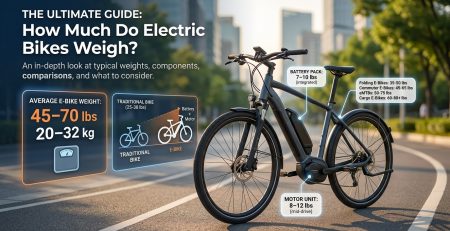
Figure 1: The anatomy of a dual motor setup—balancing power between the front and rear hubs.
How Dual Motor Systems Work
To understand why these machines are so capable, we need to look under the hood—or rather, inside the hubs. Most standard e-bikes use a single motor (usually rear) to push you forward. A dual motor e bike employs two distinct motors, controlled either by a single advanced unit or, more commonly, a specialized dual motor controller setup that synchronizes the power delivery.
Here is the basic breakdown of the mechanics:
- Front Motor: Pulls the bike forward. This is crucial for steering control on loose surfaces like sand or snow.
- Rear Motor: Pushes the bike. This provides the bulk of the raw power and stability.
- The Controller: The brain of the operation. It decides how much juice goes to each wheel. Advanced systems allow you to toggle between front-only, rear-only, or dual-mode (AWD).
When you engage the throttle or pedal assist on a dual system, the sensation is different. You don’t just feel a push from behind; you feel the entire bike surge forward as one cohesive unit. This effectively doubles your traction contact points, which is why dual motor electric bikes are the gold standard for off-road and bad-weather commuting.
Single Motor vs. Dual Motor: The Showdown
Is it worth the extra weight and cost? In my experience testing dozens of rides, the answer depends entirely on your terrain. If you live in San Francisco or Denver, the answer is a resounding yes. If you live in flat Florida, it might be overkill.
Here is a direct comparison to help you evaluate the performance trade-offs:
| Feature | Single Motor (Rear Hub) | Dual Motor Ebike (AWD) |
|---|---|---|
| Traction | Good on pavement; poor on loose dirt/snow. | Excellent on all terrains (4×4 effect). |
| Climbing Ability | Struggles on >15% grades without momentum. | Can handle 30%+ grades from a dead stop. |
| Acceleration | Linear and manageable. | Aggressive and instant. |
| Battery Drain | Efficient; long range. | High drain; often requires a dual battery setup. |
| Weight | Lighter (easier to lift). | Heavier (2 motors + usually bigger batteries). |
Pros and Cons of Dual Motor Electric Bikes
To help you decide if a dual motor electric bicycle is right for you, here is a quick breakdown of the advantages and trade-offs:
Pros:
- Superior Traction: The All-Wheel-Drive (AWD) system provides 4×4-like grip, making it the ideal dual motor fat tire ebike setup for snow, mud, and sand.
- Redundancy: If one motor or controller fails, the second motor can still get you home.
- Climbing Ability: With dual motor torque, these bikes can conquer steep hills (30%+ grades) that would stall a mid-drive or rear-hub motor.
- Acceleration: A 2000w twin-motor ride offers aggressive acceleration, getting you up to speed instantly at intersections.
Cons:
- Weight: Two motors and a likely dual battery setup make the bike significantly heavier and harder to lift.
- Battery Drain: Powering two motors consumes 20-40% more energy, reducing range unless upgraded.
- Complexity: A dual-drive controller setup involves more wiring and components to maintain.
Types of AWD Electric Bikes: Which Style Suits You?
Not all AWD bikes are created equal. Depending on your riding style, you might need a specific frame geometry to handle the extra power.
Dual Motor Fat Tire Ebike
This is the most popular configuration. The wide contact patch of fat tires (usually 4 inches or wider) complements the AWD system perfectly. Think of a dual motor fat tire ebike as a two-wheeled tractor. It effortlessly floats over soft sand and deep snow, conquering terrain where standard tires would instantly sink.
Dual Motor Full Suspension Ebike
Because dual motors add unsprung weight to the wheels, the ride can feel harsher on bumps. A dual motor full suspension ebike soaks up these impacts, ensuring better traction and a smoother ride at high speeds. For technical off-roading, this suspension is vital; it shields your delicate battery and controller from damaging vibrations.
Dual Motor Folding Ebike
For those with limited storage space, a dual motor folding ebike offers a compromise. While convenient, be aware that these are heavy to lift into a car trunk. These are the perfect choice for campers and RV owners. They provide the raw power required to explore the wilderness, yet fold down compactly for easy storage during travel.
Dual Motor Moped Style Ebike
Often resembling a small motorcycle, a dual motor moped style ebike usually features a bench seat and a large central storage area. These are typically high-performance machines—like a 52V AWD cruiser—engineered for street speed and urban commuting rather than rough trail riding.
Understanding Power Levels: 2000W to 3000W+
When shopping, you will see massive wattage numbers thrown around. A standard ebike might be 500W or 750W. In the dual world, we start adding those numbers up.
A popular configuration is the 2000W AWD setup. This usually means you have a 1000W motor in the front and a 1000W motor in the rear. At this level, you are exceeding the legal limit for street use in many regions (which is often 750W total), so these are typically classified as off-road vehicles or mopeds.
For the adrenaline junkies, the 3000W twin-motor beast territory provides acceleration that rivals gas scooters. However, with great power comes great responsibility—and battery anxiety.
The Battery Bottleneck: Why You Need a Dual Battery Setup
Running two motors is thirsty work. A standard 48V battery might last 40 miles on a single motor but could be drained in less than 20 miles on a dual motor drive ebike if you are pushing it hard. The amp draw from two controllers can also cause “voltage sag,” making the bike feel sluggish when the battery is half full.
This is why we strongly recommend a dual motor dual battery ebike configuration. Running two batteries in parallel distributes the load, reducing strain on the cells and keeping the voltage higher for longer.
Expert Insight: Choosing the Right Cells for Dual Motors
Standard e-bike batteries often fail under the heavy load of dual controllers (60A+ peak current). This causes “voltage sag,” where power cuts out even if the battery is 50% full. For a dual motor ebike build, we recommend high-discharge cells:
| Cell Type | Peak Discharge | Best For |
|---|---|---|
| Samsung 35E (18650) | 8A (Low) | Eco Mode / Single Motor Cruising |
| Samsung 40T / Molicel P42A (21700) | 35A+ (High) | 2000W+ Dual Motor Comparison & High Speed |
Note: Always verify your BMS rating exceeds your combined controller amperage. Data based on 2025 cell specification sheets.
Voltage Matters: 48V vs. 52V vs. 72V
- 48V: The standard for most dual motor electric bikes. Good for torque, but tops out around 30mph.
- 52V Performance Setup: A 52V system provides a noticeable punch in acceleration and helps maintain top speed as the battery drains.
- 72V: The domain of the 3000W off-road monster. This voltage requires specialized controllers but delivers motorcycle-grade speeds (45+ mph).
Pro Tip: If you are building your own setup using an AWD conversion kit, ensure your Battery Management System (BMS) can handle the combined amp draw of both controllers. A common mistake is using a battery that can’t output enough current, causing the bike to cut out under load.
Frequently Asked Questions (FAQ)
Q: What is the top speed of a dual motor ebike?
A: The speed depends on the voltage and wattage. A standard 2000w AWD model (48V or 52V) can typically reach speeds of 32-38 mph. A high-performance 3000w twin-motor beast running on 72V can exceed 50 mph, though these are strictly for off-road use or private land.
Q: Can I turn off one motor to save battery?
A: Yes! Most high-quality electric mountain bikes with this setup utilize a switchable dual controller. This allows you to run in “Eco Mode” (Rear Motor only) for flat cruising to save energy, and switch to “AWD Mode” (Both Motors) when you approach a hill or loose terrain.
Q: Can I upgrade my single motor ebike to a dual motor?
A: Yes, but it requires technical work. You will need a dual drive conversion kit, which includes a front hub motor wheel, a second controller (or a dual-channel controller), and extra cabling. Crucially, you must ensure your battery can handle the combined current of two motors, or upgrade to a dual battery system.
Q: Is a dual motor ebike good for heavy riders?
A: Absolutely. This AWD configuration is often the best choice for heavier riders (250 lbs+) because the load is shared between two motors and two axles. This prevents the overheating that often occurs when a single small rear motor tries to push a heavy load up a steep hill.
Why Buy New? Build Your Own Beast
Factory-built dual motor e-bikes often come with a steep price tag—sometimes exceeding $3,000. But here is a secret: you can build a machine that is faster, stronger, and more reliable for less money.
Start by installing an AWD conversion kit on a frame you already trust. This simple step gives you total control over every component.
For example, you can select a high-discharge battery that eliminates power loss. You also get a programmable dual-drive controller. This allows you to fine-tune the power balance between the front and rear wheels.
A DIY approach also solves maintenance headaches. Unlike factory models, you won’t be stuck with proprietary parts that are impossible to replace. Whether you are building a rugged dual hub motor ebike for hunting or a sleek high-speed commuter, building it yourself is the smarter path.
Top Upgrade Configurations
Ready to start your build? Whether you need raw torque for off-road trails or speed for the city, these are the essential components to get the job done right:
EM3ev Complete Motor Ebike Kit
• Front + Rear Hub Motors
• Includes Dual Controller
Our kits synchronize perfectly so you don’t have to fight the handlebars.
EM3ev High-Discharge Ebike Battery
• 48V / 52V High Amp BMS
• Samsung/LG Cells
Don’t let a weak battery cut your power. These packs are built to sustain high amp draws.
EM3ev Rear Hub 48V Motor Kit with Pedal Assist Sensor
• Balances Voltage
• Doubles your Range
This essential module manages discharge so you can ride twice as far safely.
EM3ev Motor Ebike Controller
• Sine Wave Technology
• Smooth Start (No Jerking)
If you are piecing together a custom build, precise control is key.
Battery Warning: When building a 2000W+ AWD setup (or higher), ensure your battery’s BMS (Battery Management System) allows for a continuous discharge rate that exceeds the combined amp draw of both controllers. If you are unsure, check our battery specs or contact support.
48V vs. 52V: Cost & Performance Analysis
| Configuration | Est. Cost (DIY) | Top Speed (Dual Motor) | Verdict |
|---|---|---|---|
| 48V Standard | $900 – $1,200 | ~32 mph | Best value for daily commuting. |
| 52V Performance | $1,100 – $1,400 | ~38 mph | Recommended for hills & minimize sag. |
| 72V Extreme | $2,000+ | 50+ mph | Requires specialized controllers & heavy mods. |
See the Components in Action
Building a high-performance AWD conversion kit requires top-tier components. Check out the build quality of EM3ev’s hub motors and our high-discharge 52V batteries designed to power your twin-motor beast.
EM3ev High-Performance Ebike Components: Hub Motors & 52V Batteries
Not sure which kit fits your bike?
Converting to a dual hub motor ebike system requires checking your dropout width (135mm/170mm/190mm). Send us a photo of your bike frame!
Buyer’s Guide & Safety Considerations
Before you buy, verify the machine’s top speed and legal status in your area. Many of these machines, especially the dual motor moped style ebike variants, blur the line between bicycle and motorcycle. Always wear a DOT-approved helmet—standard bike helmets are not designed for 35+ mph crashes.
Frequently Asked Questions (FAQ)
Is a AWD model better than a mid-drive?
For raw speed and flat-ground acceleration, yes. However, mid-drives are generally more efficient for long, slow climbs because they leverage the bike’s gears. A dual drive ebike is superior for traction on loose surfaces like snow or sand where a mid-drive might slip.
How does the dual controller work?
It coordinates the voltage sent to both the front and rear hubs. Good controllers allow you to switch between “Eco” (one motor) and “Turbo” (both motors). If one motor fails, many dual controllers allow the bike to limp home on the remaining motor.
What is the range of a dual motor electric bicycle?
Range varies heavily by usage. If you run both motors at full throttle, expect 20–30 miles. If you use the rear motor primarily and only engage the front for hills, you can extend that to 40–50 miles, especially with a dual battery setup.
Can I upgrade my single motor to a dual motor?
Yes, using a retrofit conversion kit. You will need to replace the front wheel with a hub motor wheel, install a second controller (or a dual controller), and likely upgrade your battery to handle the load.
Final Thoughts
The electric bikes with dual motors category represents the muscle cars of the e-bike world. They aren’t the most efficient, and they certainly aren’t the lightest, but the grin factor is undeniable. Whether you are hauling cargo up a San Francisco street or blasting through a snowy trail, the redundancy and raw power of a dual system give you a sense of invincibility that single motors just can’t match.
Disclaimer: E-bike laws vary by state and country. A 3000w dual motor ebike is likely classified as a moped or motorcycle in many jurisdictions. Always check local regulations and ride safely.
References:
Editor Review – Dual Motor Ebike
★★★★★ 5 / 5
Pros
- All-wheel-drive traction gives a Dual Motor Ebike 4×4-style grip on sand, snow and wet climbs.
- Massive climbing ability – with the right setup you can tackle 30%+ grades from a dead stop.
- Insanely quick acceleration, ideal for getting up to speed fast at junctions and on steep trails.
- Redundancy and safety – if one motor or controller fails, the other can usually get you home.
- Flexible DIY options: dual motor kits, dual battery systems and different frame styles to match your terrain.
Cons
- Heavier than single-motor ebikes due to two motors and larger or dual batteries.
- Higher energy consumption – range drops quickly unless you invest in a quality dual battery setup.
- More complex wiring and setup, especially when pairing dual motor controllers and BMS.
Summary
If you regularly ride steep hills, loose gravel, snow or sand, a Dual Motor Ebike is one of the most capable platforms you can build. By combining front and rear hub power with a well-matched battery system, you gain superior traction, brutal hill-climbing torque and fast, confident acceleration. For flat city riding a single-motor bike may be enough, but for riders who push into demanding terrain or carry heavy loads, a properly tuned dual motor setup is worth the extra weight, cost and complexity.
EM3ev Technical Team Shelley
Senior Battery Engineer with 12+ years of expertise in BMS architecture and high-discharge lithium pack assembly. Shelley specializes in safety testing for dual motor systems, ensuring packs meet strict UL-compliant standards for thermal management and current stability.


LEAVE A COMMENT