





7 Secrets: Can Lithium Batteries Catch Fire When Not in Use?
If you are wondering, can lithium batteries catch fire when not in use, the short answer is yes. This happens because of bad parts, BMS failure, physical damage, or dead cells. You do not even have to charge them. Internal shorts or extra heat can start a sudden fire while the pack sits idle.
To keep your battery safe in storage, you must know the main risks. The most common causes of sudden fires include:
- Internal short circuits that grow slowly over time
- Battery Management System (BMS) failures
- Thermal runaway from bad inner chemistry
- Hidden damage before you put the pack away
- Storing the battery in very hot places
I remember parking my eBike in the garage after a long ride. The battery seemed perfectly healthy. It worked great all day. Weeks later, it was sitting fully unplugged. I walked past and saw the case starting to swell. It also had a strange metallic smell. This was a scary wake-up call. Danger does not only happen when riding or charging. Storage needs careful attention too.
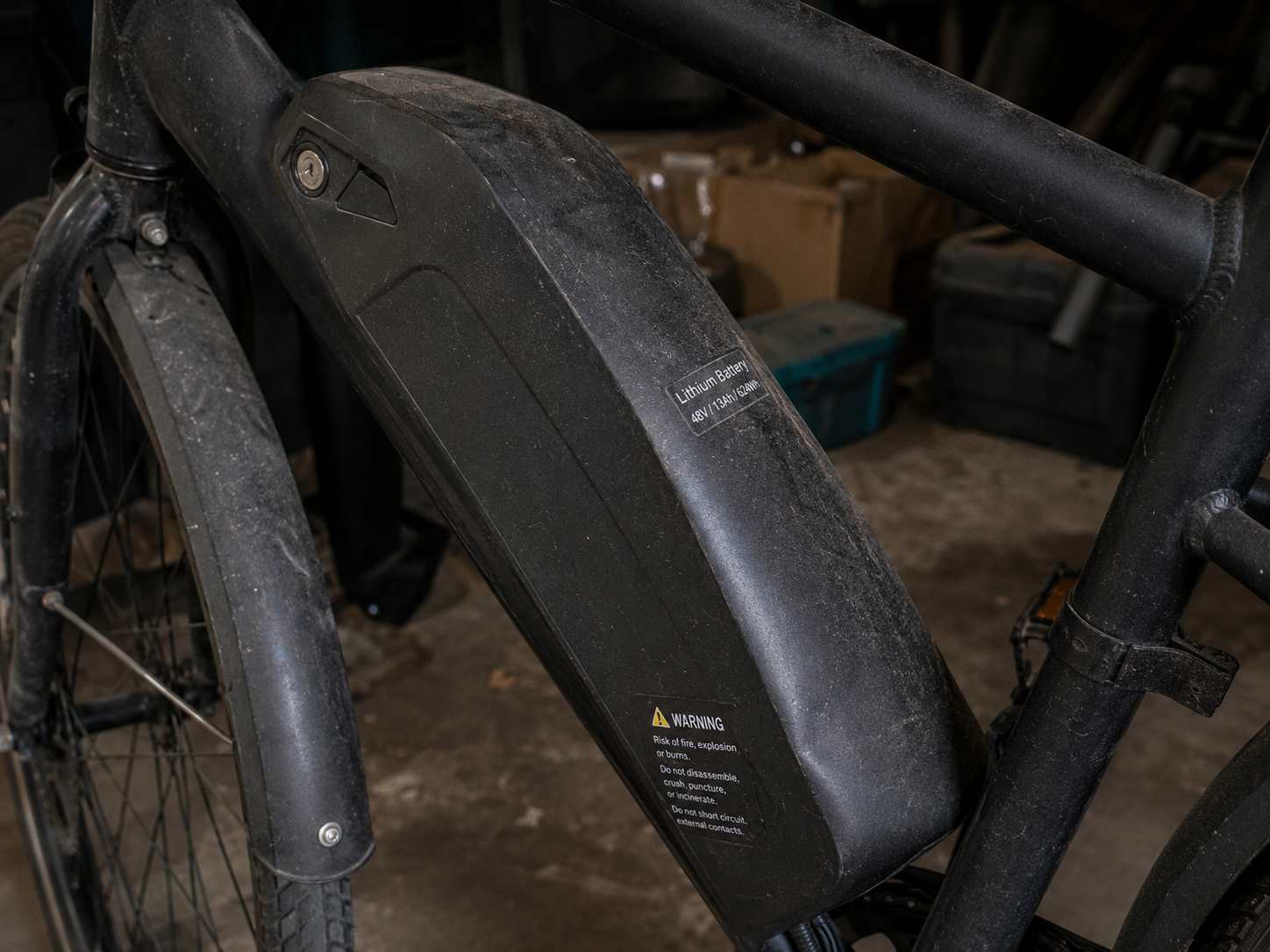
Review Your Storage Safety Rules
Proper care prevents hidden dangers from becoming active fires.
Why eBike Lithium Battery Packs Can Catch Fire While Not in Use
Storage fires are rare but they do happen. Bad cells, hidden damage, or delayed thermal runaway can cause them.
When an eBike pack sits in a corner, it looks dead. But chemical actions still happen inside. If the storage space or battery health is bad, these actions become dangerous.
Internal cell defect or bad parts
Bad quality control at the factory can leave tiny metal pieces inside the cells. Over time, these pieces poke holes in the inner walls. This causes a slow internal short. It builds heat long after your last ride.
BMS failure or hidden short circuit
The Battery Management System (BMS) is the brain of the pack. If a part on the board breaks, it can drain power or short out. A broken BMS might fail to stop bad self-discharge. This makes the whole pack unsafe.
Over-discharge and dead cells
Leaving a pack fully empty for a long time ruins the inner chemistry. Copper inside the cells can break down and form sharp spikes. When these spikes pierce the cell wall, a short circuit forms. This highly increases the fire risk in storage.
Heat exposure during storage
Storing your gear in a hot place—like a metal shed in the summer sun—hurts the battery fast. Extreme outside heat makes the inner cell too hot. This starts a sudden fire, even with no power flowing.
Physical damage before storage
A small crash or drop might not stop the eBike right away. But it can dent the inner cells. This hidden damage makes the battery weak. As the pack sits, the broken areas can slowly short out.
PAA Questions:
Can lithium batteries explode when not in use? Yes. If inner pressure builds fast from a short, the case can burst open.
Are lithium batteries safe in storage? Most of the time, yes. They are safe if they are not broken, have some charge, and stay in a cool room.
What causes battery fires at rest? Mostly, it comes from unseen inner damage, past crashes, or extreme heat.
eBike Battery Storage Risk Checklist
You must check the heat, charge level, case swelling, bad smells, and the storage room often.
Regular checks keep you safe. Use this checklist before and during long storage:
- Temperature check: Make sure the storage area stays cool and avoids high heat.
- Moisture control: Check that the room is totally dry to stop rust on the board.
- Charge level check: Make sure the pack is not completely full and not totally empty.
- Case check: Look closely for any cracks, dents, or signs of a past drop.
- Swelling check: See if the battery case is bulging or changing shape.
- Smell check: Sniff around the pack for sweet or burning chemical smells.
- Plug check: Make sure the charging ports have no dirt or burn marks.
Lithium Battery Storage Risk Comparison Table
Knowing which dangers pose the highest threat helps you plan your storage checks.
| Risk Factor | Why it matters | Risk Level | Prevention |
|---|---|---|---|
| Hard Impact | Dents inner walls causing slow shorts | High | Check well after any drop; never store broken packs |
| High Heat | Speeds up chemical breakdown and pressure | High | Store indoors in cool areas away from the sun |
| Total Dead Battery | Causes sharp copper spikes to grow inside | Medium | Keep a partial charge during long downtime |
| Water Inside | Rusts the BMS causing electrical shorts | Medium | Store in dry places; seal ports tight |
| Fully Charged | Stresses inner chemistry over time | Low | Drain to a medium level before putting away |
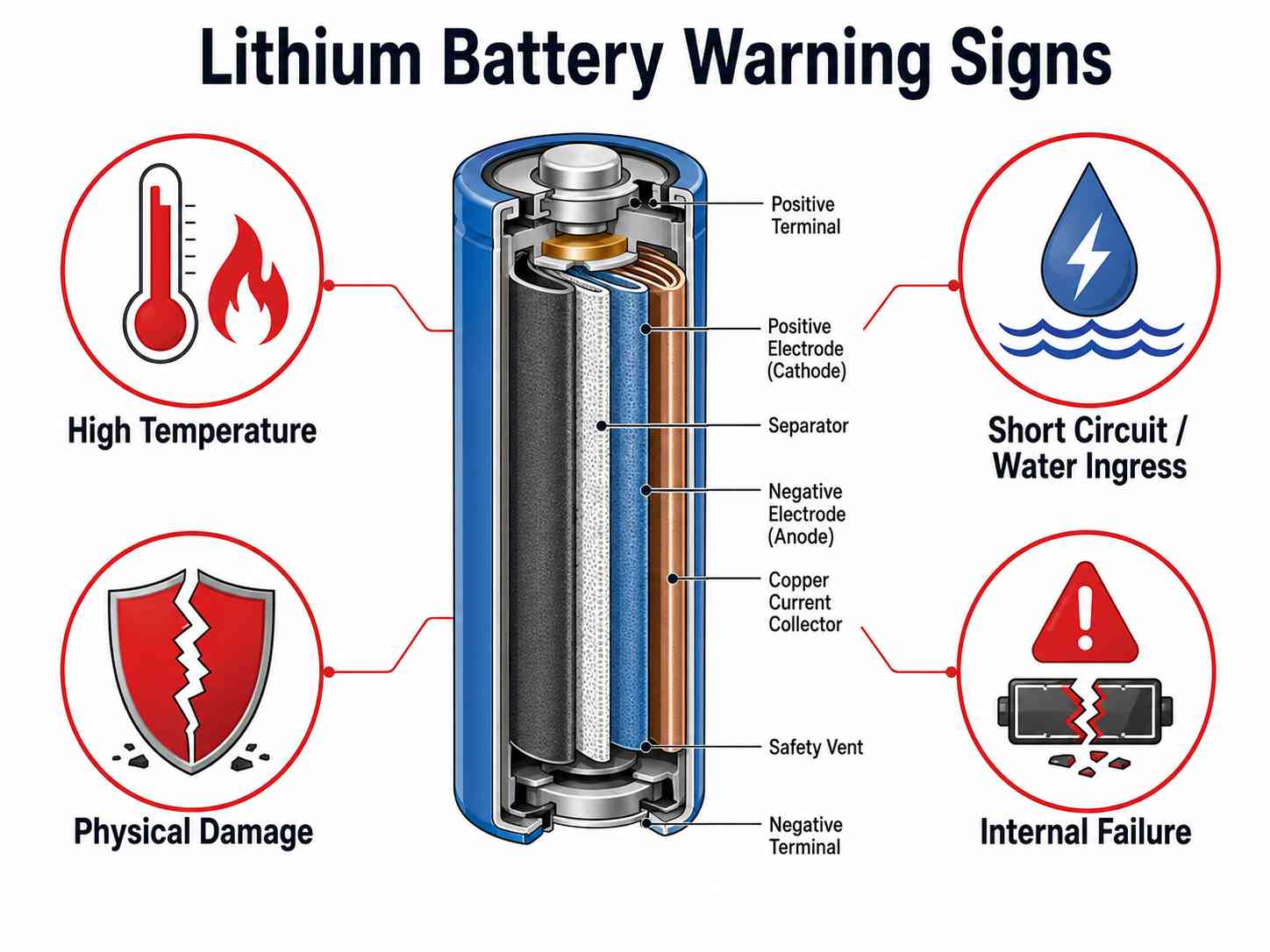
Experience-Based Storage Safety Steps
Always use a clear routine of looking, checking the charge, feeling the temp, and moving it if things seem weird.
I always follow strict steps when I put my eBike away for the winter. This removes the guesswork and lowers the chance of a fire.
Steps:
First, look at the outer case for any damage from the summer rides. Next, perform a charge check to make sure the battery has a medium charge. It should not be flat or 100% full. Then, do a temperature check of the room to make sure it will not get too hot or freezing cold. If the pack ever acts weird—like getting warm by itself—quickly move it outside to a fire-safe spot. Finally, make a replace decision by talking to an expert if you think it has inner damage.
What To Do If an eBike Battery Looks Unsafe in Storage
Stop using the pack right away if you notice swelling, strange smells, or weird heat. Move it outside at once.
A friend once found his spare pack felt warm while sitting on a shelf. He did not ignore it. He put on heavy gloves, carried it outside, and placed it on a driveway away from the house. A few hours later, the pack began to smoke. Because he knew the warning signs of unsafe battery packs, he saved his home from a fire.
If you see swelling, hear hissing, or smell weird chemicals, do not charge it. Move it to a safe surface outside. Call your local fire or waste team if you think it is going to catch fire. You can also review the National Fire Protection Association (NFPA) eBike safety rules for more safe handling steps.
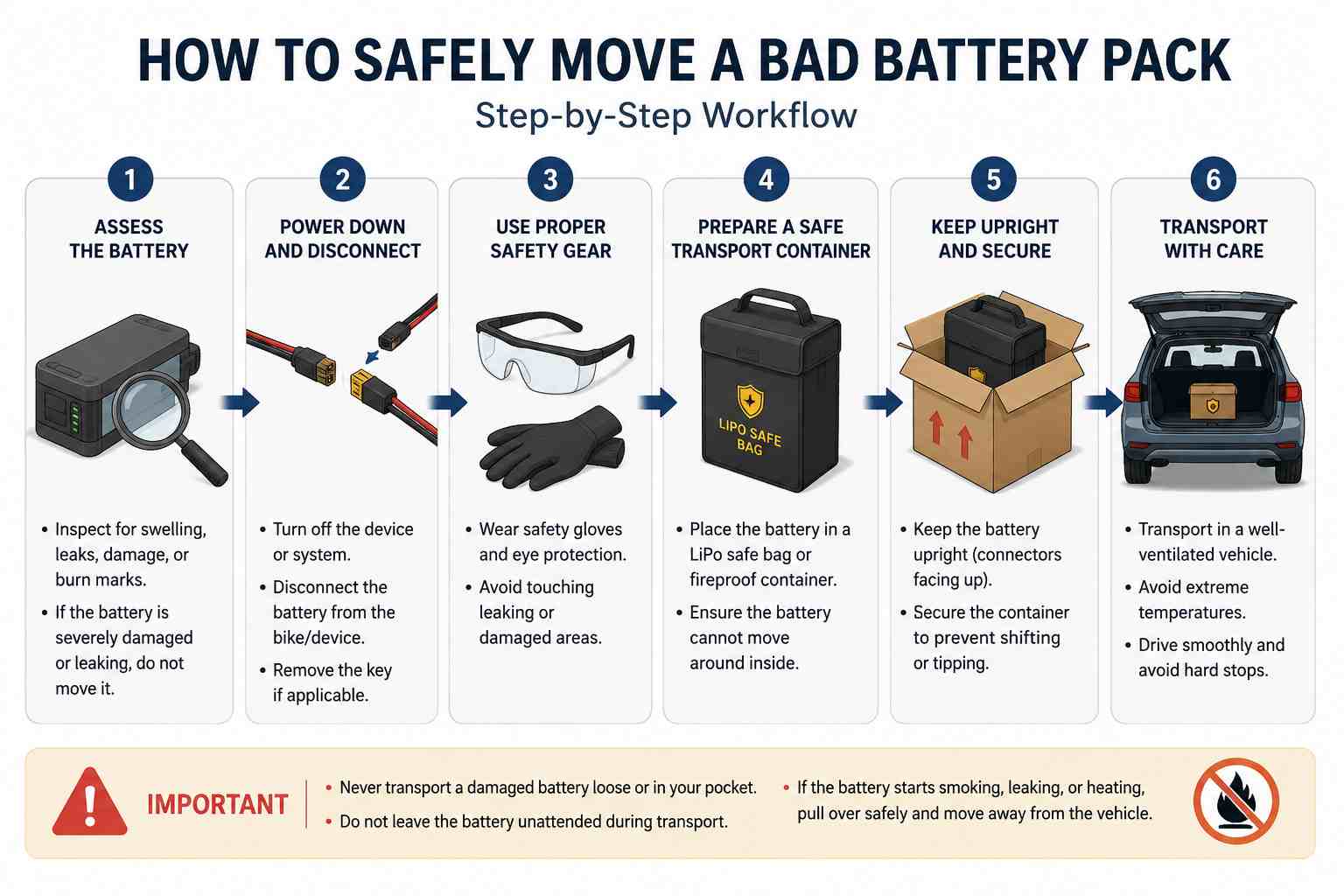
Safe eBike Battery Storage Habits
Keep a medium voltage level, a dry and cool room, and look at the pack often to keep it healthy.
Treating your battery right when it is resting is very important. Good storage stops chemical stress and keeps the board working right.
Core Storage Rules:
- Keep a medium charge; never store it totally dead.
- Keep the pack indoors where the heat level stays normal.
- Make sure the room is totally dry to protect the inner parts.
- Look at the battery every few weeks during the off-season.
Need Professional Help?
View safe parts and clear storage rules directly from top builders.
Frequently Asked Questions
Can lithium batteries catch fire when not charging?
Yes. Inner shorts, hidden physical damage, or high heat can start a fire even when the battery is unplugged and sitting idle.
Can a stored eBike battery explode?
If the battery gets too hot inside, pressure builds very fast. Without a way to vent, the case can burst open. People often call this an explosion.
How should you store lithium eBike batteries safely?
Store them indoors in a cool, dry place away from the sun. Make sure they have a medium charge level. Look at them every few weeks for damage.
What are signs of unsafe battery in storage?
Key warning signs include the case bulging out, weird heat coming from the pack, hissing noises, or a sweet, burning chemical smell.
Can cold storage cause lithium battery fire risk?
Extreme cold can ruin the cell chemistry. If you try to charge a frozen battery later, it can cause inner shorts that lead to a sudden fire.
How long can an eBike battery be safely stored?
You can store them safely for many months. Just check on them often and keep them at a medium charge level in a good room.
Should eBike batteries be fully charged in storage?
No. Storing a battery at full charge stresses the inner parts. This speeds up aging and slightly raises the risk of danger over time.
When should a stored battery be replaced?
Replace it right away if you notice physical swelling, bad smells, or if it cannot hold a charge. Also, replace it if it took a hard hit before storage.
Conclusion
In short, the question of whether can lithium batteries catch fire when not in use is met with a clear warning: yes, it can happen. Ebike battery storage safety depends on good care, cool rooms, healthy boards, and spotting problems early. By checking your gear often, you can safely store your battery and have peace of mind.










LEAVE A COMMENT