





What Does an E-Bike Battery BMS Do?
An ebike battery BMS is one of the most important parts of an electric bike battery pack. It helps protect the battery from overcharge, over-discharge, overcurrent, short circuit, and other conditions that can affect safety and performance.
Many riders compare ebike batteries by voltage, amp hours, and range. Those numbers matter, but they do not tell the full story. A battery with good capacity can still perform poorly if the BMS is not matched to the cells, controller, charger, and riding load.
This guide explains what an ebike battery BMS does, why BMS current rating matters, and what buyers should check before choosing a replacement ebike battery.
If you are still comparing voltage, capacity, range, discharge current, and fitment, start with our full guide on how to choose an ebike battery.
If you already know your voltage, motor type, controller current, and frame fitment, you can start by comparing EM3ev ebike battery options.
What Is an Ebike Battery BMS?
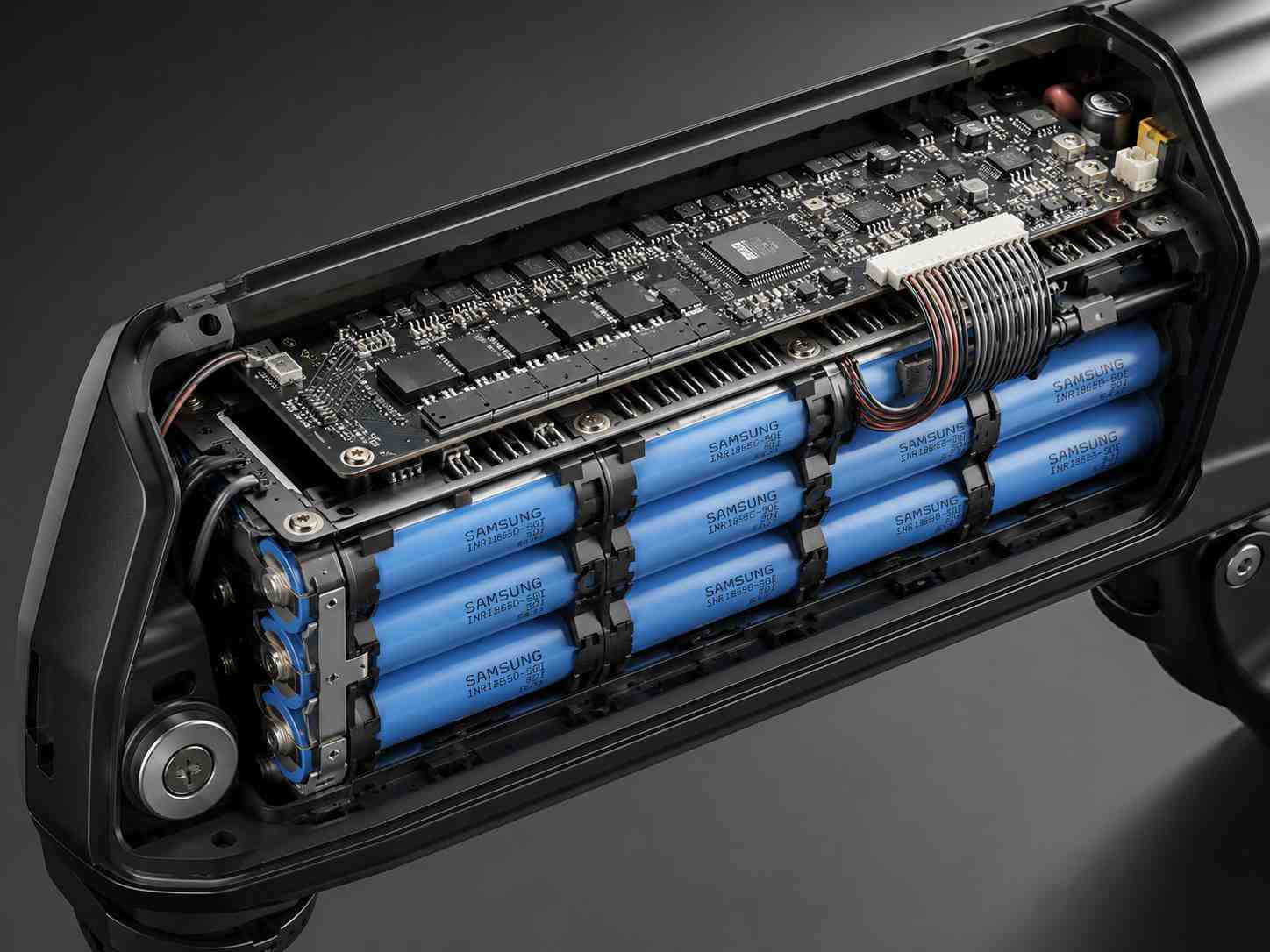
BMS stands for battery management system. In an ebike battery, the BMS is an electronic protection system connected to the cells inside the battery pack. Its job is to help keep the battery operating within safer limits.
A lithium ebike battery contains many individual cells connected in groups. These cells need to stay within the correct voltage range during charging and discharging. If cells are charged too high, drained too low, overloaded, or used outside their safe range, the battery can lose performance or become unsafe.
The BMS helps manage these risks, but it cannot make damaged cells, undersized wiring, an incompatible charger or a poorly constructed pack safe. It is one layer in a complete battery protection design.
What Does an Ebike Battery BMS Do?
A typical ebike battery BMS provides several protection functions. The exact features depend on the battery design, BMS model, current rating, and quality level.
- Overcharge protection: helps prevent cell groups from charging above their safe voltage limit.
- Over-discharge protection: helps stop the battery from being drained too low.
- Overcurrent protection: helps protect the battery when current demand is too high.
- Short-circuit protection: helps reduce risk if a wiring fault occurs.
- Temperature protection: may limit operation if the battery becomes too hot or too cold (useful when charging).
- Cell balancing: helps keep cell groups closer in voltage during charging.
These functions matter because an ebike battery works under changing conditions. A rider may climb hills, use throttle heavily, ride in hot weather, or pull more current from the battery during acceleration.
Why BMS Current Rating Matters
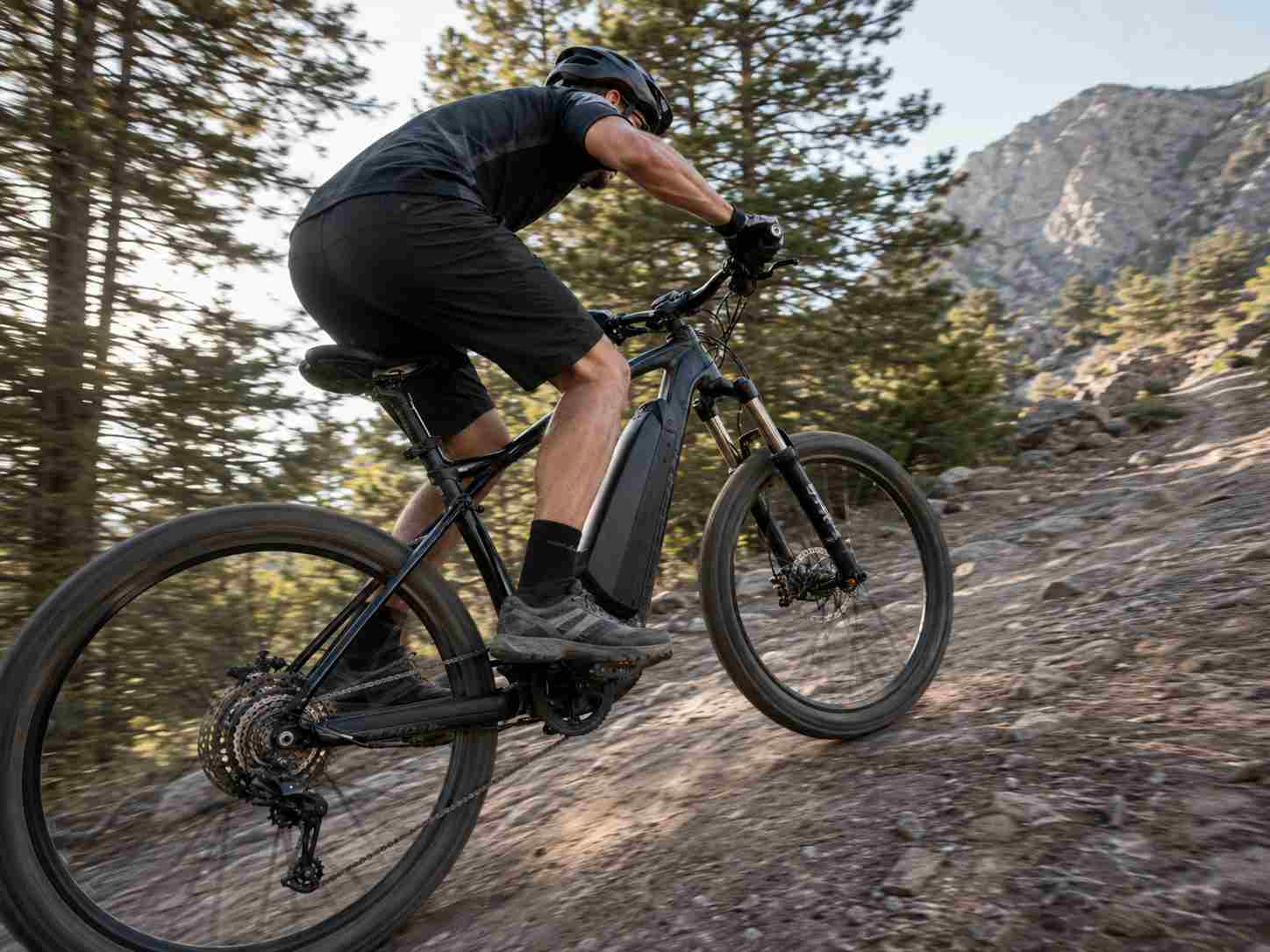
BMS current rating tells you how much discharge current the BMS is designed to allow. This is one of the most important specs to check when choosing an ebike battery.
It matters for Bafang mid-drive motors, 1000W ebike motors, high-power hub motors, cargo bikes, and hill-climbing setups. These systems may ask for more current during acceleration, steep climbs, or heavy throttle use.
If the BMS current rating is too low for your controller, the battery may cut off under load. Some riders describe this as the bike suddenly losing power even though the battery still has charge.
A high-capacity battery is not always a high-power battery. A pack may have enough amp hours for range but not enough discharge current for a strong controller. This is why you should compare voltage, watt hours, cells, BMS current rating, and controller demand together.
If your build uses a higher-power controller, read our guide to high-discharge ebike batteries.
BMS, Voltage Sag, and Real Riding Performance
Voltage sag happens when battery voltage drops under load. Some sag is normal, but too much sag can make the bike feel weak during acceleration or hill climbing. It may also cause the controller or BMS to reduce power or shut off.
The BMS is not the only cause of voltage sag. Cell quality, internal resistance, pack design, temperature, battery age, and current demand all play a role. However, the BMS current limit can affect how the battery behaves when the motor asks for more power.
A battery whose cells, parallel configuration, conductors, connectors and BMS are all rated for the controller load is less likely to suffer excessive sag or repeated protection cut-offs than an undersized pack.
To understand this issue in more detail, read our guide on ebike battery voltage sag.
BMS and Charging Safety
The BMS also plays an important role during charging. It helps monitor cell group voltage and can stop charging if the pack reaches its upper voltage limit.
However, the BMS is not a reason to use the wrong charger. A 48V ebike battery needs a charger designed for that voltage. A 52V ebike battery needs a different charging voltage. Using the wrong charger can damage the battery and may create safety risks.
Always match the charger to the battery voltage and chemistry. You should also check the charge connector, charge current, and manufacturer guidance.
For a broader checklist covering cell quality, charger matching, physical damage and safe storage, read our guide on eBike battery safety.
For independent safety standards, UL Solutions explains that UL 2849 covers the complete e-bike electrical system, while UL 2271 applies to batteries for light electric vehicle applications. A BMS feature list alone is not proof of certification.
What BMS Specs Should Buyers Check?
When comparing ebike batteries, do not look only at voltage and Ah. A clear product listing should help you understand how the battery is designed to be used.
- Battery voltage, such as 48V, 52V, or 72V.
- Battery capacity in Ah and watt hours.
- Continuous discharge current.
- Peak discharge current, if listed.
- BMS current rating.
- Charge current limit.
- Compatible charger voltage.
- Discharge connector type.
- Cell type and pack construction.
- Recommended motor or controller range.
If the seller does not provide clear BMS or discharge current information, it may be difficult to know whether the battery is suitable for your bike.
BMS Needs for Commuter Bikes vs High-Power Builds
A daily commuter bike does not always need the same BMS rating as a high-power DIY ebike. If your bike uses moderate pedal assist and a lower-current controller, your main priorities may be range, safety, fitment, and long cycle life.
A high-power build is different. A Bafang BBSHD, BBS02, 1000W motor, or powerful hub motor can demand more current during acceleration and climbing. In that case, the battery pack must support the load without excessive voltage sag or repeated BMS cut-offs.
If you are choosing a pack for a Bafang mid-drive motor, read our guide on the best battery for Bafang BBSHD and BBS02. If you are choosing for a higher-power system, see our guide to choosing a battery for 1000W ebike motor builds.
EM3ev Battery Options for Different BMS Needs
Different riders need different battery setups. A commuter may need practical BMS protection and reliable daily range. A high-power rider may need stronger current delivery, advanced protection, and more stable output under load.
For Advanced Smart BMS and High-Discharge Builds

72V eBike Battery 15Ah
This 72V EM3ev battery is designed for riders who need high-discharge capability, smart BMS protection, cell balancing, Bluetooth monitoring, and stable power delivery under heavy load. It is a strong reference option for advanced high-power builds where BMS current rating and protection features matter.
For every high-voltage option, see the full 72V eBike battery range.
For Daily Riding and Practical BMS Protection
48V Super Shark 13S4P
The 48V Super Shark 13S4P is a compact downtube battery option for riders who want reliable daily power, Samsung cells, smart BMS protection, and practical fitment. It is a good direction for commuters, trekking riders, and moderate-power builds that need dependable protection without moving into extreme high-voltage setups.
Cheap Batteries vs Quality BMS Design
Some cheap ebike batteries focus on high capacity claims but give little information about BMS quality, cell type, or discharge current. This can be risky because the pack may not perform as expected under real riding conditions.
A quality ebike battery should balance capacity, current output, BMS protection, cell quality, and pack construction. The goal is not only to get more range, but also to get stable power delivery, safer charging, and better long-term reliability.
If you are comparing specifications, documentation and support, read our guide to choosing the best e-bike battery for your system.
Buying Checklist for an Ebike Battery BMS
- Does the battery voltage match your system?
- Does the BMS current rating support your controller?
- Is the continuous discharge current clearly listed?
- Is the charger voltage correct for the battery?
- Does the battery use suitable cells for your riding load?
- Is the connector rated for the expected current?
- Is the pack suitable for hills, cargo, throttle use, or high-power riding?
- Does the seller provide clear specifications and support?
For a broader pre-purchase checklist, see our guide on what to check before buying an ebike battery.
FAQ About Ebike Battery BMS
What does an ebike battery BMS do?
An ebike battery BMS helps protect the pack from overcharge, over-discharge, overcurrent, short circuit, and other risks. It also helps manage cell group voltage during charging.
Can a BMS make an ebike battery more powerful?
A BMS does not create power. Its programmed current limit can restrict delivery, but the safe pack current is also limited by the cells, parallel count, interconnects, wiring, connectors and temperature. Select the complete pack rating, not the BMS number in isolation.
Why does my ebike battery cut off under load?
Cut-offs under load may happen when the controller demands more current than the battery or BMS can safely provide. Weak cells, voltage sag, poor connectors, or wiring issues can also cause this problem.
Should I choose an ebike battery based on BMS rating alone?
No. BMS rating is important, but you should also compare voltage, watt hours, cell quality, discharge current, charger compatibility, connector type, and fitment.
Final Thoughts
An ebike battery BMS is an important protection layer for charging and discharging, but it is not a safety guarantee. When choosing an electric bike battery, compare the complete pack design and documented ratings—not only voltage, amp hours or the advertised BMS current.
Check the BMS rating, discharge current, charger compatibility, cell quality, and fitment. A properly matched battery pack can help your ebike feel more reliable, especially under acceleration, hills, and heavy riding loads.
If you are ready to compare available packs, start with the EM3ev ebike battery range.


LEAVE A COMMENT