





The Most Reliable Electric Bicycle Lithium Ion Battery You Need
What is an electric bicycle lithium ion battery? It is a high-density, rechargeable power source specifically designed to provide the current required for e-bike motors. Unlike lead-acid versions, a lithium ion battery for electric bicycle use offers a superior energy-to-weight ratio, allowing for longer ranges and faster charging in a compact, durable frame.
I still remember the first time I faced “the hill.” You know the one—the 12% grade that makes your quadriceps scream for mercy. I was riding a heavy, first-gen e-bike with a dying lead-acid pack. Halfway up, the power flickered
and died. I ended up pushing 60 pounds of metal up the asphalt in the midday sun. To be honest, I almost quit riding that day.
That frustration led me down a rabbit hole of research into electric bike battery lithium ion technology. Switching to a high-quality li ion battery for ebike wasn’t just an upgrade; it was like giving my bike a soul. Suddenly, those hills felt flat, and my 20-mile commute became a breeze. If you’re looking to revitalize your ride, understanding how these “fuel tanks” work is the first step toward freedom.

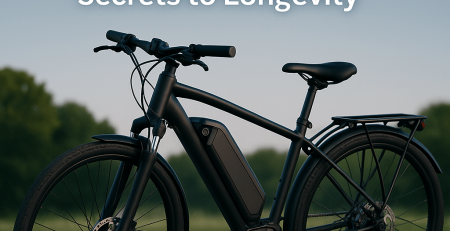
A modern li ion bicycle battery provides the perfect balance of weight and power density.
Ready to boost your range?
Explore high-capacity lithium batteries for electric bikes that fit your frame perfectly.
💡 Why Lithium Ion is the Gold Standard for E-Bikes
In my case, the switch to a lithium battery for electric bicycle use was a weight-saver above all else. But why does the industry prefer “Li-ion”? Actually, it comes down to chemistry. These batteries don’t suffer from the “memory effect” and can handle hundreds of charge cycles before losing significant capacity.
How to Choose Your First Upgrade?
When you’re browsing for an e bike li ion battery, you’ll see a lot of numbers. Don’t let them intimidate you. Think of Voltage as your “horsepower” and Amp-hours (Ah) as your “gas tank size.” Combining them gives you Watt-hours (Wh), which is the truest measure of how far you can go on a single charge.
⚡ Understanding the Voltage: 36V vs. 48V Systems
To be honest, I used to think more voltage always meant “better.” While it’s true that a 48v 10ah electric bicycle bike lithium ion battery offers more “punch” for climbing, a 36V system is often lighter and more efficient for flat city commuting. You need to match the battery to your motor’s controller; otherwise, you risk frying your electronics.
| Battery Type | Typical Range | Best For | Weight Approx. |
|---|---|---|---|
| 36V 10Ah Li-ion | 20–35 miles | City commuting, flat paths | 5–7 lbs |
| 48V 10Ah Li-ion | 25–40 miles | Hills, heavier riders | 7–9 lbs |
| 48V 20Ah Li-ion | 50+ miles | Cargo bikes, long tours | 12–15 lbs |
💡 Why a 48V battery changed my commute?
In my experience, moving from a 36V to a 48v 20ah lithium ion electric bicycle battery was a game changer for wind resistance. On gusty days, the extra voltage provides the torque needed to maintain 20 mph without feeling like the motor is struggling. It’s the difference between arriving at work fresh or arriving drenched in sweat.
📖 The “Wh” Formula: Calculating Your True Range
Calculating your range doesn’t require a math degree. To find your Watt-hours, use this simple formula:
Voltage (V) × Amp-hours (Ah) = Watt-hours (Wh)
For example, a 36v 10ah electric bicycle bike lithium ion battery provides $36 \times 10 = 360Wh$. On average, most riders use about 20Wh per mile. So, a 360Wh battery gives you roughly 18 miles of “throttle-only” range, or much more if you’re using pedal assist.
Pro Tip: Always look for an e bike battery lithium ion that mentions high-quality cells. Brands that use tier-1 cells tend to last 3–5 years, whereas generic cells might drop off after just 12 months.
Frequently Asked: Can I upgrade a 36V bike to 48V?
Actually, it’s rarely a “plug and play” situation. You usually need to upgrade your motor controller and display as well. I once tried to shortcut this and ended up with a very expensive paperweight. Always check your controller’s maximum voltage rating before swapping!
🚀 Removability and Security: Protecting Your Investment
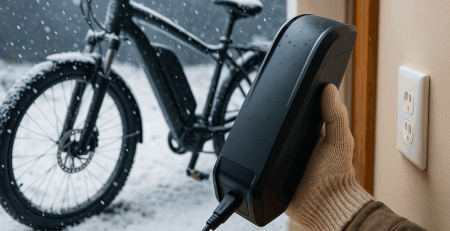
One of the biggest debates in the e-bike world is “Integrated vs. Removable.” Personally, I’m a huge fan of the removable lithium-ion battery. Why? Because I can bring the battery inside to charge at my desk while leaving the muddy bike in the garage. Plus, in the winter, lithium batteries hate the cold; keeping them at room temperature preserves their lifespan.
Actually, a 36v 8ah removable lithium ion battery is the perfect “anti-theft” device. If you take the battery with you, your bike is significantly less attractive to thieves. It’s hard to make a quick getaway on a 50-pound bike without motor assistance!
🌱 Finding Your Match: Performance Categories
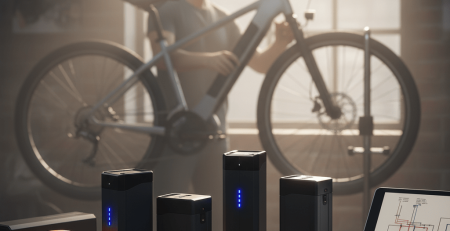
Whether you’re looking for a li ion ebike battery for an electric mountain bicycle with lithium-ion battery setup or a compact folding bike, the use-case defines the specs. For trail riding, you want shock-resistant casing; for commuting, you want fast-charging capabilities.
The Commuter Pro
Spec: 48V 13.6Ah Slim-fit
- Pros: Lightweight, fits most frames.
- Use-case: Daily 10-15 mile round trips.
The Hill Crusher
Spec: 52V 20Ah High-Torque
- Pros: Excellent climbing power.
- Use-case: Steep terrain & heavy loads.
💡 My Field Notes on Charging
In my case, I found that charging my ebike lithium battery to 80% instead of 100% doubled the number of years it stayed healthy. Most li ion battery for electric bike units have a sweet spot between 20% and 80% charge. If you’re not riding for a month, store it at half-capacity in a cool place!
🙋 Frequently Asked Questions (FAQ)
How long does an electric bicycle lithium ion battery last?
Typically, a high-quality lithium bike battery will last between 500 to 1,000 full charge cycles. For most riders, this equates to 3 to 5 years of regular use before the capacity drops to about 70-80% of its original strength.
Can I use any charger for my e-bike battery?
To be honest, this is a dangerous shortcut. You must use a charger that matches the voltage and chemistry of your li ion bicycle battery. Using a 48V charger on a 36V battery can cause overheating or even a fire.
What is the difference between Li-ion and Lead-Acid?
The lithium batteries for electric bikes are about 3 times lighter and last 4 times longer than lead-acid. While the upfront cost is higher, the “cost per mile” is significantly lower with lithium due to its longevity.
🚀 Conclusion: Powering Your Journey
Choosing the right electric bicycle lithium ion battery isn’t just about the specs on the box; it’s about how you want to feel when you’re out on the road. Whether you choose the raw power of a 48V system or the nimble efficiency of a 36V pack, the goal is the same: to keep you riding longer and smiling harder.
Found your perfect match?
Check out our latest 48V and 36V replacement batteries today.
References & Further Reading:
• Battery University: Lithium-ion Basics
• Electrify Expo: E-bike Tech Trends
• Official safety guidelines for e-bike battery storage and disposal.





LEAVE A COMMENT